
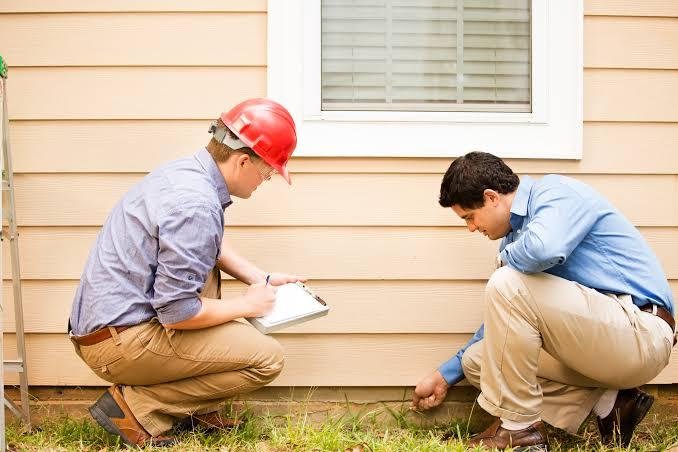
Buying a home is an exciting milestone, but it also comes with important financial responsibilities. Beyond choosing the right neighborhood and securing a mortgage, buyers need to understand the property’s actual condition before finalizing their purchase. Florida’s warm climate, seasonal storms, humidity, and coastal conditions can create maintenance challenges that are not always visible during a property viewing. A professional home inspection helps buyers identify potential concerns, make informed decisions, and plan for future maintenance before committing to a significant investment.
Why a Home Inspection Matters Before Closing
A property may look attractive during a showing while concealing problems behind walls, beneath flooring, or inside mechanical systems. An inspection provides a closer look at accessible components and helps buyers understand the condition of the home.
A qualified inspector generally evaluates the roof, foundation, visible structural components, electrical systems, plumbing, heating and cooling equipment, windows, doors, and other accessible areas. The inspection may also identify signs of moisture intrusion, damaged materials, or components approaching the end of their useful lives.
Although an inspection cannot guarantee that a property is free from defects, it offers valuable information before closing. Buyers can use the findings to discuss repairs with the seller, reconsider their budget, or determine whether additional evaluations are necessary.
Florida’s Climate Creates Unique Property Challenges
The state’s climate makes certain maintenance concerns particularly important for prospective homeowners. High humidity can contribute to moisture accumulation, while heavy rainfall may expose drainage problems or weaknesses in a building’s exterior. Properties near the coast can also experience additional exposure to salt air, which may accelerate corrosion on certain materials and equipment.
Hurricane season adds another consideration. Roof coverings, visible roof damage, exterior openings, and drainage conditions deserve attention because these components can influence a property’s ability to withstand severe weather. However, a standard inspection is not a guarantee of hurricane resistance or compliance with every current building requirement.
Buyers should also pay attention to attic ventilation, visible insulation conditions, and signs of previous water intrusion. These details can help reveal maintenance needs that might otherwise be overlooked during a brief walkthrough.
What Do Professional Home Inspections Usually Cover?
The inspection process typically involves a visual examination of readily accessible areas and systems. The exact scope depends on the property’s characteristics, the agreement with the inspection provider, and applicable standards.
Common areas of evaluation include:
- Roofing: Visible deterioration, damaged shingles or tiles, flashing concerns, and signs of leakage where accessible.
- Structural components: Observable concerns involving foundations, floors, walls, ceilings, and supporting elements.
- Electrical systems: Accessible panels, visible wiring conditions, outlets, and selected installed components.
- Plumbing: Visible pipes, fixtures, drainage, and indications of leakage.
- Heating and cooling: General operating conditions of accessible HVAC equipment, subject to weather and system limitations.
- Interior and exterior: Doors, windows, walls, ceilings, exterior surfaces, and other accessible building components.
An inspection report typically documents observed conditions and may include photographs, explanations, and recommendations. Buyers should read the report carefully rather than focusing exclusively on issues categorized as major concerns.
How to Choose the Right Inspection Professional
Selecting an inspection provider requires more than comparing prices. Buyers should look for relevant experience, professional qualifications, clear communication, and a detailed understanding of residential properties in the local area.
When comparing Florida home inspectors, prospective buyers should ask about the inspection’s scope, the expected report delivery time, and any limitations that could affect the assessment. They should also confirm whether the inspector holds the appropriate Florida license and carries relevant professional insurance.
It is equally important to understand what the inspection does not include. A general home inspection is not necessarily a specialized evaluation of mold, termites, sewer lines, pools, seawalls, or environmental hazards. These services may require separate professionals, additional testing, or specialized equipment.
Buyers should avoid choosing an inspector solely because the service is inexpensive or the appointment is available immediately. A thorough explanation of findings and a well-organized report can be especially valuable when the transaction involves an older property or a home with visible maintenance concerns.
Important Questions to Ask Before the Inspection
Preparing questions in advance can help buyers get more value from the inspection appointment. Start by asking which systems and components will be examined and whether the inspector encourages buyers to attend.
It is also useful to ask when the report will be delivered, how urgent findings will be communicated, and whether the inspector can explain recommended next steps. If the property has a history of roof leaks, plumbing repairs, or storm damage, share that information before the appointment.
Buyers should request any available records concerning previous repairs, permits, warranties, and maintenance. Although these documents do not replace an independent assessment, they may provide useful context for understanding the property’s history.
If the inspection reveals a potentially serious concern, ask whether a qualified specialist should investigate it further. A general inspection can identify warning signs, but it may not establish the precise cause, full extent, or repair cost of a problem.
Understanding the Inspection Report and Planning Your Budget
Receiving the report is only the beginning of the decision-making process. Buyers should distinguish between routine maintenance recommendations, components nearing the end of their expected service life, and conditions that may require prompt attention.
For example, an aging air conditioning system may continue to operate but require replacement planning. A small area of suspected water intrusion may warrant further investigation before its cause and repair requirements can be determined. Meanwhile, a visible roof concern could justify an evaluation by a qualified roofing professional.
Requesting estimates from appropriate contractors can help buyers understand potential expenses. This information may support discussions with the seller, depending on the purchase contract and applicable deadlines. Buyers should review their contractual rights with their real estate agent or attorney rather than assuming that every inspection finding automatically entitles them to a price reduction or repair.
A realistic budget should also include ongoing maintenance. Regular servicing, timely repairs, and appropriate drainage management can help homeowners protect their property and reduce the likelihood of preventable damage.
New Technology and the Future of Home Inspections
Technology continues to influence how property conditions are documented and communicated. Digital reports, high-resolution photographs, thermal imaging, and specialized inspection tools can help professionals investigate certain concerns more efficiently.
Thermal imaging, for example, may help identify temperature differences that warrant further investigation. However, it does not independently confirm mold growth, hidden leaks, or structural defects. Similarly, drones may assist with viewing certain roof areas when conditions permit, but their use does not eliminate access limitations or the need for professional judgment.
In 2026, buyers should focus less on the number of tools an inspector advertises and more on whether those tools are appropriate for the property and used responsibly. Clear explanations, documented observations, and honest communication about limitations remain essential to a useful inspection.
Why Local Knowledge Matters in Florida
Local experience can help an inspector recognize property concerns associated with Florida’s weather, construction styles, and environmental conditions. From humidity-related deterioration to storm damage and drainage issues, understanding regional challenges helps buyers ask better questions and plan appropriate maintenance after purchasing their new home.
Make an Informed Decision Before Buying
A home inspection is an important part of understanding a property’s condition before ownership begins. By asking informed questions, reviewing findings carefully, and seeking specialist advice when necessary, buyers can approach closing with a clearer picture of potential maintenance needs and future expenses.
The goal is not to find a completely flawless property. Instead, it is to understand the home’s visible condition, recognize potential risks, and make a purchasing decision based on reliable information. With careful preparation and professional guidance, buyers can enter homeownership with greater confidence and a more realistic plan for protecting their investment.