Why Is CCTV Surveillance Important for UAE Businesses?
Security has become an important consideration for businesses across the UAE. Offices, retail stores, warehouses, residential communities, and industrial facilities all face different security challenges. Protecting employees, visitors, equipment, and valuable assets requires more than locking doors at the end of the day.
A properly planned CCTV system helps property owners monitor important areas, review incidents, and improve visibility across their premises. Modern surveillance solutions can also support remote monitoring and integrate with access control systems, alarms, and other security technologies.
However, the quality of a surveillance system depends on more than the cameras themselves. Installation, positioning, recording capacity, network security, and maintenance all influence how effectively the system performs.
This is why businesses comparing CCTV companies in the UAE should look beyond equipment prices and consider the complete solution, from the initial site assessment to ongoing technical support.
What Services Should a Professional CCTV Company Provide?
A reliable security provider should begin by understanding the property and its specific risks. A small office may need cameras at the entrance, reception area, and equipment room, while a warehouse might require coverage of loading bays, storage areas, and vehicle entrances.
A site assessment helps determine the appropriate camera types, viewing angles, mounting positions, cable routes, and recording requirements. This planning stage can prevent common problems, such as blind spots, poor nighttime visibility, or cameras that capture a wide area without recording enough detail.
Professional installation may include IP cameras, network video recorders, storage configuration, structured cabling, remote viewing setup, and system testing. Depending on the property, the provider may also recommend integrating surveillance with access control or gate barrier systems.
After installation, maintenance remains important. Camera lenses can become dirty, cables may develop faults, and recording equipment can experience storage or network issues. Regular checks help identify these problems before they affect the availability of important footage.
Which CCTV Technology Is Best for Your Property?
Different surveillance technologies serve different purposes, so businesses should select equipment according to their actual requirements.
IP Cameras for Modern Surveillance
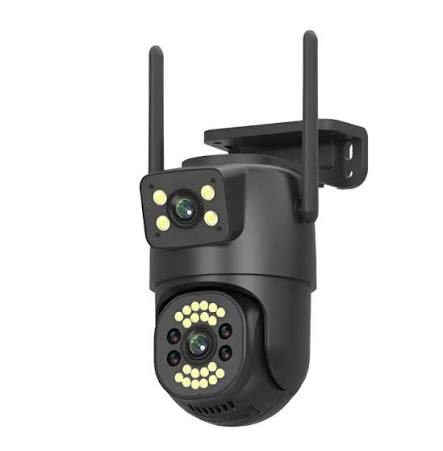
IP cameras transmit video over a network and can offer high-resolution footage, flexible installation options, and integration with compatible security platforms. They are commonly used in offices, commercial buildings, retail environments, and larger facilities.
The required resolution depends on the area being monitored. A camera covering a wide parking lot may need different specifications from one positioned to capture details at an entrance or checkout counter.
Businesses should also consider network capacity, storage requirements, and cybersecurity. Strong passwords, controlled user permissions, firmware updates, and secure remote access help protect the surveillance system from unauthorised access.
Outdoor Cameras for Challenging Conditions
Outdoor surveillance equipment must be suitable for the environment in which it operates. Across the UAE, high temperatures, dust, humidity, and direct sunlight can affect equipment performance if the wrong hardware is selected.
Weather-resistant housings, appropriate temperature ratings, suitable mounting accessories, and effective cable protection should all be considered. Nighttime performance is equally important for car parks, external entrances, and building perimeters.
An experienced installer can recommend equipment that matches the property’s conditions instead of relying on specifications that may not reflect real-world performance.
Smart Cameras and Video Analytics
Some modern CCTV systems offer features such as motion detection, line-crossing alerts, people counting, or other video analytics. These functions can help security teams identify events that require attention without watching every camera continuously.
Nevertheless, analytics should be selected carefully. Poor camera placement, unsuitable lighting, and incorrect settings can produce false alerts or missed events. Businesses should test these features during commissioning and adjust them to suit the environment.
How Can CCTV Integration Strengthen Security?
CCTV is often more effective when it works alongside other security measures. Access control, for example, manages who can enter designated areas, while surveillance provides visual information about activity around those locations.
In a commercial building, an access control system may record a door entry while the associated CCTV camera captures the surrounding activity. When investigating an incident, authorised personnel can review both records to develop a clearer understanding of what happened.
Gate barrier systems can also complement CCTV at parking facilities, warehouses, and restricted vehicle entrances. Depending on the installation, surveillance may help operators monitor traffic movement and review events around entry and exit points.
Integration should be planned carefully to ensure that devices and software are compatible. Businesses should also define who can view footage, manage access permissions, and retrieve recordings when required.
What Should Businesses Know About CCTV Compliance?
Before installing surveillance equipment, businesses should check the requirements that apply to their location, property type, and industry. The UAE has specific surveillance regulations, and requirements can differ between emirates and types of establishments.
For example, businesses in Dubai may need to meet applicable Security Industry Regulatory Agency (SIRA) requirements, while relevant installations in Abu Dhabi should be checked against the requirements of the Monitoring and Control Centre and other applicable authorities.
Depending on the site, approval procedures, approved equipment, installer licensing, system specifications, recording arrangements, and maintenance obligations may be relevant. Property owners should confirm these details with the appropriate authority and their installation provider before purchasing equipment.
Privacy also deserves attention. Cameras should serve legitimate security purposes and avoid unnecessary monitoring of private spaces or neighbouring properties. Recorded footage should be protected, with access limited to authorised personnel and handling carried out in accordance with applicable rules.
Choosing a qualified provider can help businesses understand these requirements and plan a system that suits their premises.
How Do You Choose the Right CCTV Installation Partner?
When comparing providers, businesses should ask for a site assessment and a clear explanation of the proposed system. A useful quotation should identify the camera types, recording equipment, storage capacity, installation work, warranty terms, and ongoing support arrangements.
It is also worth asking how long footage can be retained under the proposed configuration, how remote access will be secured, and what happens if a camera or recorder fails. The provider should be able to explain these details in straightforward terms.
Price matters, but the cheapest quotation may not offer the coverage or reliability a property requires. A carefully designed system with suitable equipment and dependable support can provide better long-term value than an installation that leaves important areas unmonitored.
AMJ Technology Solutions provides CCTV installation and maintenance services for businesses and properties in Abu Dhabi, Dubai, and across the UAE. Its wider security solutions include access control, time attendance, and gate barrier systems, allowing businesses to consider connected options when planning their security infrastructure.
Can CCTV Support Long-Term Business Operations?
A well-maintained surveillance system can provide value beyond incident review. Businesses may use footage to investigate workplace incidents, examine access-related concerns, and better understand activity in operational areas.
The system should be reviewed as the business changes. New entrances, office renovations, additional storage areas, or changes in operating hours may create gaps in existing camera coverage. Periodic assessments help ensure that the installation continues to meet the property’s needs.
Businesses should also test recording, review storage performance, maintain equipment, and update access permissions as staff responsibilities change. These routine measures help keep surveillance useful over time.
Conclusion
Choosing the right CCTV solution requires a clear understanding of the property, its security risks, and the requirements that apply to its location. Camera quality matters, but effective coverage, reliable recording, secure access, and professional maintenance are just as important.
When evaluating CCTV companies in the UAE, businesses should prioritise suitable equipment, thoughtful system design, regulatory awareness, and dependable after-sales support. A well-planned surveillance system can become an important part of a broader security strategy, helping property owners protect assets and manage their premises with greater confidence.