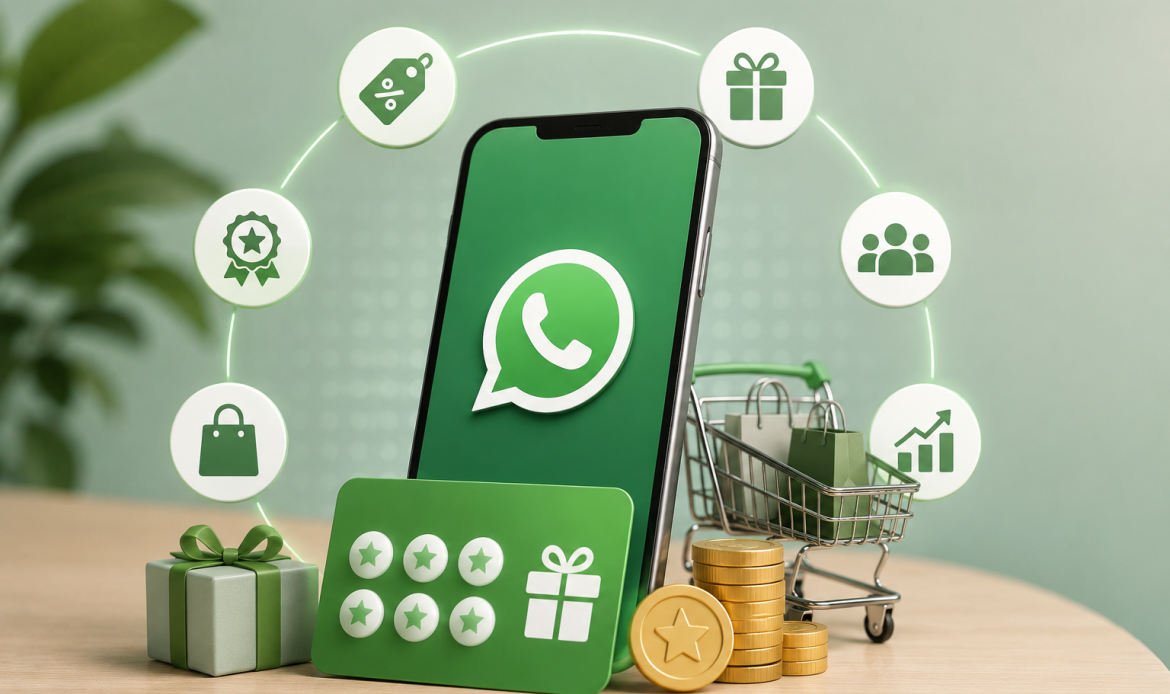
Customer loyalty is built through consistent experiences, relevant offers, and rewards that give people a reason to return. However, traditional loyalty programs often depend on physical cards, separate mobile apps, or emails that customers may overlook. WhatsApp loyalty programs offer an alternative by bringing loyalty updates, reward notifications, and customer interactions into a familiar messaging channel.
72.4% of consumers are more likely to purchase from a brand that offers messaging. Source: WhatsApp Business, The State of Business Messaging 2026.
Businesses can use WhatsApp to notify customers about earned rewards, share personalised offers, send timely reminders, and make it easier to participate in loyalty programs. When combined with customer data and automation, these interactions can help businesses build stronger customer relationships and encourage repeat purchases.
What Is a WhatsApp Loyalty Program?
A WhatsApp loyalty program is a customer retention system that uses WhatsApp to manage or communicate loyalty benefits, rewards, points, and exclusive offers. Customers can receive updates, check their reward balances, access promotional offers, and ask questions through a WhatsApp conversation.
Depending on the business’s setup, the program can operate through WhatsApp, an approved WhatsApp Business Platform integration, a chatbot, or a connected loyalty management system.
For example, a café could award points for every purchase and send customers a WhatsApp notification when they earn a free drink. A clothing retailer could share exclusive offers with repeat buyers, while a beauty salon could remind customers about upcoming appointments and available loyalty benefits.
The objective is to make loyalty programs easier to access and use without requiring customers to manage another physical card or download a separate application.
How Does a WhatsApp Loyalty Program Work?
A WhatsApp loyalty program typically follows a simple process, although the exact setup depends on the business and its technology.
- Customer enrolment: Customers join the program through a QR code, website form, checkout invitation, or another supported entry point.
- Purchase tracking: The business records eligible purchases through its point-of-sale system, online store, CRM, or loyalty platform.
- Reward allocation: Customers earn points, cashback, discounts, or other benefits according to the program’s rules.
- WhatsApp notifications: Customers receive relevant updates about their rewards, milestones, or available offers.
- Reward redemption: Customers follow a redemption link, use a coupon, or interact with an available chatbot flow to claim their benefits.
- Performance tracking: The business measures repeat purchases, redemption rates, and customer engagement to evaluate the program.
Automation can reduce manual work by triggering messages when customers complete purchases, reach reward milestones, or become inactive. However, accurate purchase tracking and reward management still depend on the connected systems.
Benefits of WhatsApp Loyalty Programs for Businesses
1. Make Loyalty Programs Easier to Access
Customers may forget physical loyalty cards or rarely open an app dedicated to a single business. WhatsApp provides another way to communicate program details and rewards without requiring customers to install a separate loyalty application.
Businesses can use QR codes at checkout, website links, or other convenient touchpoints to invite customers to join. Once enrolled, customers can receive updates through WhatsApp, subject to their messaging preferences and the program’s configuration.
2. Personalise Customer Offers
A loyalty program becomes more relevant when rewards reflect customer behaviour and preferences.
For example, a skincare retailer could share replenishment reminders with customers who regularly purchase specific products. A restaurant could send a returning customer an offer related to their preferred menu category.
Personalisation should use reliable customer information and appropriate permissions. Sending the same offer to every contact may generate less interest than communicating benefits that match individual purchase patterns.
3. Encourage Repeat Purchases
WhatsApp can help businesses remind customers about unused rewards, upcoming benefits, and products they may need again.
Consider an online grocery business that offers points for eligible purchases. When a customer accumulates enough points for a discount, an automated message can explain the available reward and how to redeem it on the next order.
The goal is not simply to send more promotional messages. It is to give customers a relevant reason to return and make the next purchase easier.
4. Improve Customer Communication
Customers may have questions about their points, reward eligibility, expiry dates, or membership status. A connected chatbot or support team can answer these questions through WhatsApp.
Depending on the integration, customers may also be able to request a reward balance, access program terms, or receive assistance with redemption.
Clear communication helps prevent confusion and makes the loyalty program easier to use.
5. Reduce Manual Follow-Ups
Automation can handle routine loyalty communications, including enrolment confirmations, reward notifications, birthday offers, and reminders about unredeemed benefits.
For example, a salon could automatically send a message when a customer qualifies for a complimentary service. Staff would not need to check every customer’s purchase history and send individual notifications manually.
Automation should complement customer service rather than replace it. Questions, complaints, and unusual reward issues may still require a person to intervene.
Types of WhatsApp Loyalty Programs
Businesses can choose a loyalty model based on their products, customer behaviour, and commercial objectives.
Points-Based Rewards
Customers earn points for eligible purchases and redeem them for discounts, products, or services. WhatsApp can communicate points earned, available balances, and redemption opportunities.
This model works well for businesses with frequent transactions, including cafés, grocery stores, beauty retailers, and online shops.
Tiered Membership Programs
Customers progress through membership levels based on spending, purchase frequency, or other defined criteria. Each tier offers different benefits, such as priority service, exclusive discounts, or early access to new products.
WhatsApp can notify members when they qualify for a new tier and explain the benefits available to them.
Referral Rewards
Existing customers receive a referral link or code to share with friends and family. When a referral meets the program’s eligibility requirements, the referring customer may receive points, discounts, or another reward.
WhatsApp can distribute referral links and provide updates about successful referrals. The system should track referrals accurately to prevent duplicate claims or misuse.
Cashback and Purchase-Based Rewards
Businesses can offer cashback, store credit, or a reward after a specified number of purchases. For instance, a customer might receive a discount after completing five eligible visits.
WhatsApp notifications can help customers understand their progress and remind them when a benefit becomes available.
Exclusive Offers and Early Access
Some businesses prefer benefits over complicated points systems. They can offer members early access to new collections, special event invitations, limited-time promotions, or member-only deals.
This approach is particularly useful for fashion brands, restaurants, entertainment businesses, and retailers that want to reward repeat customers without maintaining an extensive points structure.
How to Set Up a WhatsApp Loyalty Program
Launching an effective program requires more than connecting a messaging account. Businesses need a clear reward structure, reliable customer records, and a communication plan.
Step 1: Define Your Loyalty Objectives
Start by identifying the customer behaviour you want to encourage. Your primary objective might be increasing repeat purchases, shortening the time between visits, improving customer retention, or generating more referrals.
A clear objective helps determine the reward structure and the metrics needed to evaluate performance.
Step 2: Choose the Right Reward Structure
Select a program that customers can understand easily. Decide how customers qualify for rewards, how points are calculated, whether benefits expire, and how redemption works.
Avoid creating rules that make rewards difficult to earn or unnecessarily complicated to claim.
Step 3: Select Your WhatsApp Setup
A small business may begin with WhatsApp Business for basic customer communication. Businesses that need automated journeys, chatbot interactions, higher-volume messaging, or integrations with other systems may need the WhatsApp Business Platform and a compatible solution.
Check the available features, messaging costs, integration requirements, and account eligibility before choosing a setup.
Step 4: Connect Customer and Purchase Data
The program needs a reliable way to identify members and record eligible transactions. This could involve integrating a CRM, ecommerce platform, point-of-sale system, or dedicated loyalty management tool.
Synchronised data helps ensure that customers receive accurate reward balances and relevant messages.
Step 5: Create Automated Loyalty Journeys
Begin with a few useful automated messages rather than launching multiple campaigns at once.
Consider these examples:
- Welcome message: Confirm enrolment and explain how customers earn and redeem rewards.
- Purchase confirmation: Notify customers when eligible points or benefits are credited.
- Reward milestone: Inform customers when they qualify for a benefit.
- Redemption reminder: Remind customers about unused rewards when appropriate.
- Re-engagement message: Send a relevant offer to eligible customers who have not purchased recently.
Each message should explain the benefit clearly and provide an appropriate next step.
Step 6: Measure and Improve the Program
Review performance regularly and adjust the reward structure or messaging based on customer behaviour.
Compare repeat purchase rates among enrolled customers and suitable non-enrolled customers. Also review how many customers join the program, redeem their rewards, and return for another purchase.
These comparisons provide a more useful assessment than message delivery or engagement figures alone.
Best Practices for WhatsApp Loyalty Programs
A successful program should prioritise customer value, transparency, and consistent communication.
- Obtain appropriate opt-in: Make it clear that customers are agreeing to receive WhatsApp messages from the business. Record and respect their preferences.
- Keep rewards simple: Explain how customers earn points, qualify for benefits, and redeem rewards.
- Personalise responsibly: Use relevant purchase history and preferences rather than sending identical promotions to every member.
- Control message frequency: Send updates when they provide value. Excessive promotional messages can cause customers to mute, block, or disengage from a business.
- Make redemption straightforward: Provide clear instructions, eligible offers, and working links where applicable.
- Respect WhatsApp policies: Follow applicable consent requirements, messaging rules, template requirements, and opt-out requests.
- Track business outcomes: Measure incremental repeat purchases, redemption, retention, and revenue rather than relying solely on message engagement.
For businesses using the WhatsApp Business Platform, message templates and applicable messaging charges should be reviewed before campaigns are launched.
How to Measure the Success of a WhatsApp Loyalty Program
Businesses should establish a baseline before introducing the program. This makes it easier to distinguish actual improvements from changes that would have happened anyway.
The following metrics can help evaluate performance:
- Enrolment rate: The percentage of eligible customers who join the loyalty program.
- Repeat purchase rate: The percentage of customers who make another purchase within a defined period.
- Reward redemption rate: The percentage of issued or earned rewards that customers redeem.
- Purchase frequency: How often customers buy during a given period.
- Average order value: The average amount spent per transaction.
- Customer retention rate: The percentage of customers who remain active over a defined period.
- Incremental revenue: Additional revenue attributable to the program after accounting for relevant costs and a suitable comparison baseline.
A high redemption rate is not automatically evidence of profitability. Businesses should also account for discounts, rewards costs, messaging fees, platform expenses, and any additional revenue generated.
Conclusion
WhatsApp loyalty programs give businesses another way to communicate rewards, recognise repeat customers, and encourage future purchases through a familiar messaging channel. From points-based rewards and tiered memberships to referral campaigns and personalised offers, the right approach depends on the business model and its customers.
A well-designed program combines clear rewards, reliable customer data, appropriate consent, and timely communication. By tracking repeat purchases, reward redemption, and incremental revenue, businesses can identify which loyalty activities contribute to customer retention and long-term value.