
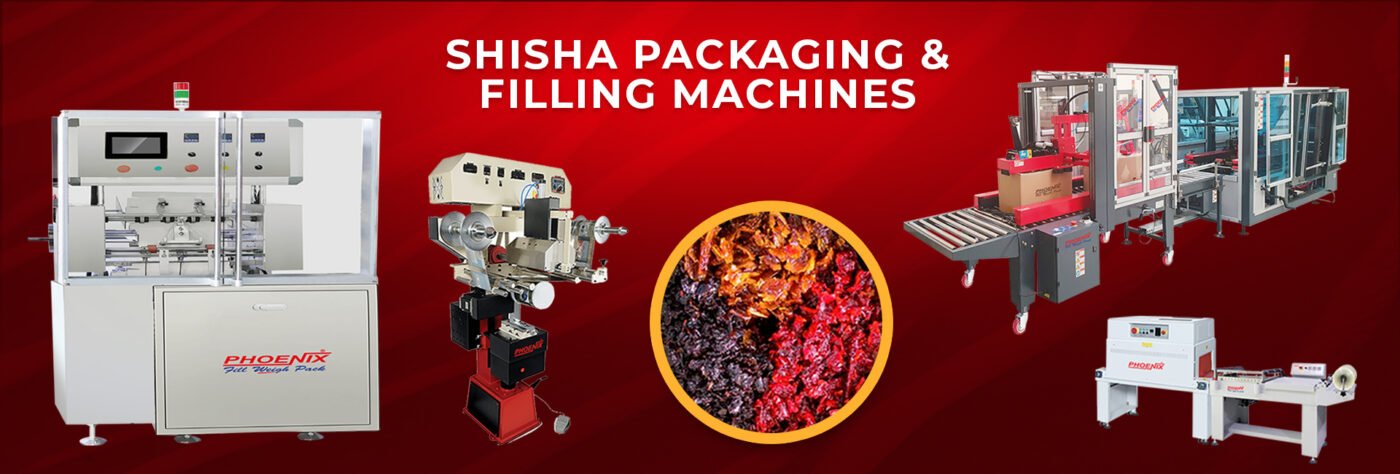
Why Shisha Molasses Is So Difficult to Fill
Most filling machines are designed for products that flow predictably, such as thin liquids, free-flowing powders or granules. Shisha molasses behaves differently. It is a blend of tobacco or herbal material with molasses, glycerine and flavourings, which gives it a thick, tacky and fibrous texture.
This creates several problems on a production line. The product bridges in hoppers instead of flowing down evenly. It clings to dosing parts and nozzles, so portions vary from one pack to the next. It smears onto the rims of jars and the seal areas of pouches, which weakens seals and leads to leaks. It also dries out and loses aroma quickly if packs are not airtight. Generic machinery struggles with all of these issues, which is why dedicated equipment makes such a difference.
How Sheesha Filling Machines Work
A sheesha filling machine takes the prepared blend from a hopper and doses a measured portion into each container. The feeding system keeps the sticky product moving steadily, and the dosing mechanism separates an accurate portion every cycle. Many machines can be adjusted for different pack weights, from small retail jars to larger catering or bulk packs.
Accuracy is the main benefit. Even a small overfill on every pack adds up to a large amount of lost product over a month, while underfilling damages customer trust and can cause problems with distributors. A reliable filler keeps weights consistent across shifts, operators and flavours. This is why producers searching for a sheesha filling machine for India and Mumbai factories, where competition is strong, place such a high priority on dosing performance.
How Sheesha Packing Machines Complete the Line
Once the product is filled, sheesha packing machines handle the rest. For jars and tubs, this usually means sealing with a foil or film, followed by capping and labelling. For flexible formats, pouch and zipper bag packing machines dose and seal the product in one process. Coders print batch numbers and dates, shrink tunnels or L-sealers add a protective outer wrap, and cartoning machines prepare the packs for retail or export.
Producers comparing sheesha packing machines for India and Mumbai plants often focus on speed and cost per pack, while UAE brands tend to emphasise premium presentation for export markets. In both cases, the packing stages must keep pace with the filler. A fast filling machine is wasted if the sealer or labeller cannot keep up.
Choosing the Right Level of Automation
Shisha filling and packing equipment is available in three main levels of automation, and the right choice depends on your output, labour costs and growth plans.
Manual machines are the entry point. They suit start-ups, small workshops and producers testing new flavours. They cost the least and are simple to operate, but output and consistency depend heavily on the operator.
Semi-automatic machines automate the dosing or sealing while operators place and remove containers. They offer a clear improvement in speed and accuracy at a moderate investment, which makes them popular with growing brands. Many buyers looking for a sheesha molasses machine in Dubai start at this level.
Fully automatic machines handle feeding, filling, sealing and discharge with minimal manual work, and they can be linked to labelling, coding and cartoning. They are ideal for high-volume producers and export-focused factories that need steady output over long shifts with fewer operators.
If you expect strong growth, choose equipment that can be upgraded or extended later. Planning ahead avoids replacing machines that still have years of useful life.
Packaging Formats and What They Mean for Your Machines
Your choice of packaging affects the equipment you need. Rigid jars and tubs are the traditional format. They protect the product well, stack neatly on shelves and are easy for customers to reseal. Flexible pouches cost less to produce and ship, and zipper bags add resealability for larger packs. Cans are used by some premium brands for their robust protection and distinctive look.
Decide which formats your customers expect, then choose machines that handle them well. Some lines can be configured for more than one format, while other producers run separate lines for rigid and flexible packs.
Key Features to Compare
When comparing machines from different suppliers, look closely at the following points. Contact parts should be easy to remove and clean, and made from materials that resist the sticky, slightly acidic nature of molasses. The dosing system should handle different blends and moisture levels without clogging. Changeovers between flavours and pack sizes should take minutes, not hours, and should not need special tools. Integrated weighing or check-weighing helps confirm every pack is within tolerance. Sealing systems should be matched to your packaging material. Finally, the machine should be built to run reliably for long shifts in hot conditions, which is especially important in the Gulf.
Planning a Complete Production Line
Buying machines one at a time often leads to mismatched speeds and wasted floor space. A better approach is to plan the full line first, even if you install it in phases. A typical shisha line includes mixing and preparation, filling, sealing and capping, weighing and inspection, labelling and coding, outer wrapping, cartoning and material handling. Mapping each stage helps you balance speeds, reduce bottlenecks and use your space efficiently.
Importing Machinery: Advice for Producers in India
Many manufacturers in India, including those around Mumbai, source equipment from the UAE, where suppliers have long experience with molasses products. Before ordering, share product samples, target pack sizes and expected daily output with the supplier. Ask for a trial or video of your product running on the machine. Confirm power requirements, delivery timelines, installation support, operator training and spare parts supply. It is also wise to check the regulations that apply to shisha products and packaging in your state before investing.
Choosing a Reliable Supplier
The supplier matters as much as the machine. Phoenix Dison Tec LLC, known as Phoenix Pack, has designed and manufactured processing, filling and packaging machinery from its base in Sharjah, UAE, since 1999. Its range includes manual, semi-automatic and fully automatic machines for tobacco and molasses packaging, including shisha filling and pouch and zipper bag packing.
Phoenix Pack also manufactures mixing tanks, labelling and capping machines, cartoning machines, L-sealers, shrink tunnels, weighing scales, printers, coders, metal detectors, conveyors and pallet trucks, so producers can source a complete line from one company. Well established across the UAE and GCC, it ships to customers across Asia, Africa, Europe and the Americas, backed by competitive pricing and dependable after-sales support.
Frequently Asked Questions
What is a sheesha molasses machine?
It is a machine designed to dose, fill and often seal shisha molasses into jars, tubs or pouches. Its feeding and dosing system is built for sticky, fibrous products that ordinary fillers cannot handle reliably.
Which automation level should a new brand choose?
Most new brands start with manual or semi-automatic machines. Semi-automatic equipment offers a strong balance of accuracy, speed and cost, and you can move to full automation as volumes grow.
Can one machine fill different flavours and pack sizes?
Yes. Adjustable dosing and quick-release parts allow fast changeovers. Clean the contact parts between flavours to avoid mixing aromas.
Can producers in India and Mumbai buy filling machines from the UAE?
Yes. Phoenix Pack ships machinery to customers across Asia. Agree on power requirements, delivery, installation and spare parts before ordering.
How do I prevent leaking seals?
Accurate dosing keeps the seal area clean, and sealing equipment matched to your packaging material produces consistent, airtight closures.
How long does it take to set up a complete line?
It depends on the level of automation and the number of stages. Share your output targets and floor plan with the supplier early so they can plan the layout and timeline.
Final Thoughts
The right filling and packing equipment turns a difficult product into a consistent, professional one. Focus on dosing accuracy, seal quality, ease of cleaning, balanced line speeds and long-term supplier support. Whether you need a sheesha molasses machine in Dubai or are comparing sheesha packing machines for India and Mumbai factories, careful planning now will pay back through less waste, higher output and stronger customer loyalty.
About the author: This article was contributed by Phoenix Dison Tec LLC (Phoenix Pack), a Sharjah-based manufacturer of processing, filling and packaging machinery since 1999, supplying manual, semi-automatic and fully automatic shisha filling and packaging machines to producers across the UAE, GCC, Asia, Africa, Europe and the Americas.
Thanks to the investloomm website owner for posting this blog.