
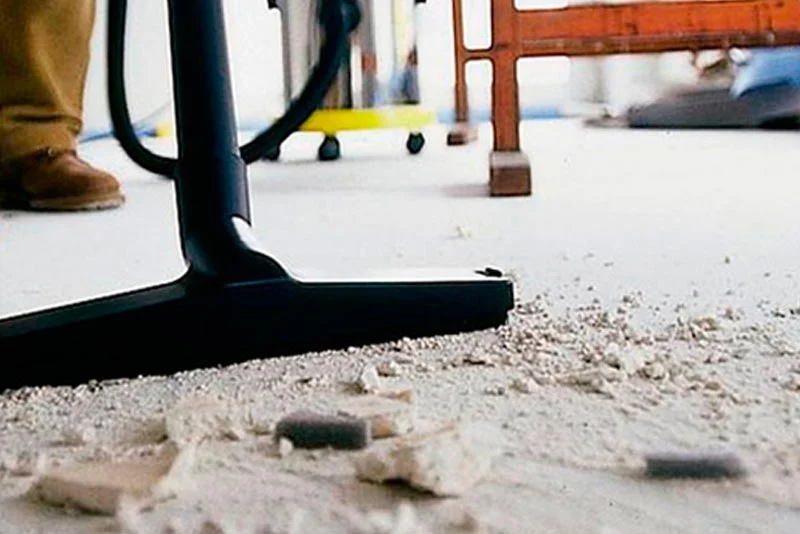
Construction projects do not become ready for occupants simply because the final trade leaves the site. Dust, packaging, debris, fingerprints, adhesive residue, and construction-related buildup can remain across floors, glass, fixtures, cabinets, and other finished surfaces. A planned construction cleaning process can help move the project from active work toward inspection and handover. When comparing construction cleaning services, explain how the property is used and what you need from the service before requesting a written scope. This helps connect the proposed work to your actual priorities.
Make Cleaning Part of the Construction Schedule
Construction cleaning works better when it is included in the project schedule rather than added at the last minute. The project manager should identify when major dusty work ends, when areas become available for cleaning, when inspection will occur, and when the building must be ready for occupants. This creates a realistic sequence. Construction projects may require more than one cleaning stage. Rough cleaning can address larger debris and general buildup.
Final cleaning can focus on finished surfaces, floors, fixtures, glass, cabinets, restrooms, and detailed areas. A touch-up visit may also be needed after contractors return to complete punch-list work. Detailed cleaning is difficult when boxes, packaging, scrap materials, and construction debris remain in the area. The project team should identify who is responsible for moving debris to the designated collection point and whether disposal is part of the cleaning contract. This prevents the cleaning crew from being assigned work that was never included.
Work Backward From Occupancy
A handover date is useful only when the activities leading to it are realistic. Identify when dusty trades stop, protective materials are removed, furniture arrives, and the owner can inspect each zone. Place the main clean after the work most likely to create new residue, then allow a separate opportunity for limited touch-ups. If different floors finish at different times, release them individually rather than waiting for the whole building. The cleaning schedule should show which areas are ready, who confirms their release, and what happens if a contractor needs to return after a completed zone has been cleaned.
Control Debris, Dust, and Finished Surfaces
Fine dust can settle on surfaces that initially appear clean. It can collect on ledges, baseboards, doors, cabinets, fixtures, vents, and other areas. Cleaning should move from appropriate higher surfaces toward floors so dust is not repeatedly deposited on completed areas. New floors, countertops, glass, fixtures, cabinets, and painted surfaces may have specific care requirements. The cleaning provider should understand the materials present and use suitable methods. This is particularly important when a project contains delicate or newly installed finishes. Cleaning and the punch list often overlap. If contractors return after the final clean, they may create new dust or fingerprints. The cleaning schedule should therefore leave room for a final touch-up after major punch-list work is complete.
Define What Ready for Cleaning Means
A room may look finished while still lacking the conditions needed for effective cleaning. The project team should confirm safe access, usable utilities where required, and a clear agreement about loose materials and waste. Tools, spare tiles, and trade supplies can prevent access to floors and fixtures. Decide whether those items will be moved by contractors or included in a separately agreed task. This preparation avoids spending booked cleaning time waiting for other work to finish. It also makes the quote more dependable because the provider can plan around a defined site condition instead of guessing.
Prepare the Areas the Owner Will Inspect
The final walkthrough should not be limited to obvious rooms. Entrances, corridors, restrooms, kitchens, storage areas, glass, floors, cabinets, and visible fixtures can all affect the impression of a completed project. A cleaning checklist can help the project team avoid missed areas. Construction sites may have changing access routes, temporary barriers, active equipment, or restricted areas. The cleaning crew should receive clear instructions about which areas are ready and which remain active. In New York City, building access and limited loading or elevator windows can also affect the practical cleaning schedule. A final clean performed immediately before handover leaves little room for correction. Where possible, schedule the main cleaning early enough for inspection and touch-ups. This is especially useful when the project has a fixed opening date.
Avoid Turning Surface Damage Into a Cleaning Dispute
New finishes can have scratches, adhesive residue, paint marks, or installation defects before the cleaning crew arrives. Record visible concerns with the project manager and ask who will determine whether a mark is removable soil or damage. Do not assume aggressive scrubbing or scraping is appropriate. Share care instructions for glass, flooring, metal, and other sensitive materials. An agreed assessment process helps protect the finish and gives the owner a clearer record. Cleaning can improve presentation, but it should not become an informal substitute for repairs or correction of defective installation work.
Coordinate Access and the Handover Scope
A proposal should identify: Areas to be cleaned; Cleaning phase; Floors and surfaces; Glass; Fixtures; Cabinets; Restrooms; Kitchens; Debris responsibilities; Touch-up visits; Access conditions. Clear scope reduces disagreements. Commercial projects in New York City may have restricted loading areas, elevator schedules, security procedures, and tight deadlines. These factors should be discussed before the crew arrives. A construction cleaning services provider that understands the practical conditions can build a more realistic service schedule. Construction cleaning is not simply the final task after construction. It is part of preparing the property for inspection and occupancy. For project managers looking for construction cleaning services, a detailed walkthrough can help define the scope and reduce last-minute surprises. New York City projects can benefit from a staged approach that separates debris removal, detailed cleaning, inspection, and final touch-ups.
Control Movement Through Completed Zones
A cleaned area can quickly collect dust again if it remains part of an active construction route. Discuss temporary boundaries, material delivery paths, and which entrance trades should use after the final clean. These decisions belong with the project team because they affect access for several parties. Where complete separation is impossible, identify the areas most likely to need another pass and include that assumption in the schedule.
The objective is practical protection of completed work. It is usually easier to plan a limited touch-up than to argue later about dust introduced by continuing construction activity.
Agree on Acceptance and Trade Responsibilities
Construction cleaning should be connected to the project schedule. Painters, installers, flooring crews, electricians, and other trades can create new dust after a room appears ready. A cleaning visit performed too early may need to be repeated. The project manager should therefore identify which rooms are genuinely ready before the cleaning crew begins. Before final cleaning, define what “ready for handover” means. The owner may expect clean interior glass, detailed floors, cabinet interiors, finished restrooms, and other visible surfaces. These expectations should appear in the scope so the cleaning crew knows what the project team will inspect.
Do not schedule the final clean so close to handover that there is no time for correction. A short inspection period gives management a chance to identify missed dust, fingerprints, or debris while the property is still empty.
Make the Walkthrough Specific
Use the owner’s actual acceptance checklist where one exists. Otherwise, agree on a room-by-room review of accessible floors, glass, fixtures, doors, cabinetry, and other included surfaces. Decide who attends and how outstanding items will be recorded. Separate incomplete cleaning from damage, trade defects, and requests outside the approved scope.
Assign each item to the appropriate party with a realistic completion window. This gives the final walkthrough a clear purpose and prevents it from becoming an open-ended inspection of every issue on the project. Keep a copy of the agreed list for the final closeout discussion.
Allow for Touch-Ups and Final Approval
Large cleaning projects may require vacuums, floor machines, ladders, carts, or other equipment. Confirm where equipment can be stored and how it will enter the property. On a busy New York City site, these logistics can affect the amount of time available for actual cleaning. The owner or property manager should understand the cleaning schedule and expected result before the final visit. This helps prevent a situation where the cleaning team finishes work but the project team expects additional areas.
A final clean can reveal damaged finishes, leaks, broken fixtures, or other issues. These should be documented and assigned to the appropriate trade rather than treated as ordinary cleaning tasks.
Plan for the First Days of Use
Handover does not always mean the property is fully occupied that day. Staff setup, deliveries, and equipment installation may continue afterward and create new packaging, footprints, and fingerprints. Decide whether the construction cleaning agreement ends at acceptance or includes a later visit.
Then arrange the routine cleaning service that will maintain the building once it is operating. A clear transition prevents a gap between project closeout and everyday upkeep. It also helps the owner understand which provider should receive a request when a new cleaning need appears after the contractors have left.
Frequently Asked Questions
When should construction cleaning begin?
Cleaning should begin when the relevant construction phase is complete and areas are safe and accessible. Rough cleaning can happen earlier, followed by detailed final cleaning after dusty work and major installation tasks end.
Does post-construction cleaning include construction debris?
It depends on the contract. Some providers move construction debris to a designated onsite area, while hauling and disposal can be separate. The written scope should clearly state each responsibility before work begins.
Why is a final touch-up often needed after construction cleaning?
Contractors may return after the main cleaning to complete punch-list work, creating new dust, fingerprints, or packaging. A final touch-up gives the project team time to prepare the space for handover.