
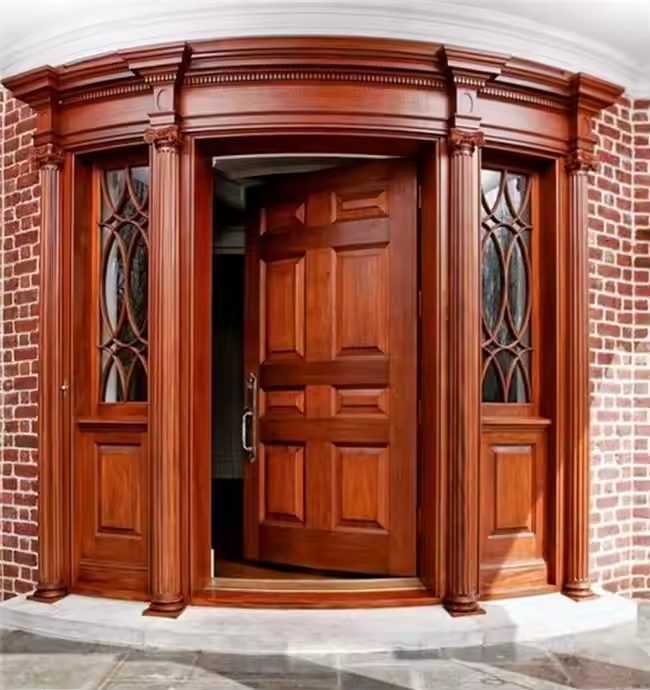
In the world of architectural design, trends come and go, but the appeal of a Solid Wood Door remains constant. There is an inherent warmth, weight, and character in natural timber that synthetic materials simply cannot replicate. For homeowners who prioritize authenticity and craftsmanship, a wooden entryway is more than just a functional barrier; it is a statement piece that defines the personality of the entire property.
Whether you are looking for a grand front entrance or sturdy interior transitions, understanding the nuances of wood species, construction techniques, and maintenance is essential to making an informed investment.
The Unrivaled Benefits of Solid Wood Construction
Why do architects and high-end builders consistently return to natural wood? The reasons go far beyond simple aesthetics.
Superior Sound Insulation and Privacy
One of the most immediate differences you notice with a solid wood door is the sound. Unlike hollow-core or composite doors, solid wood acts as a natural acoustic barrier. It absorbs vibrations, making it an ideal choice for bedrooms, home offices, and front entries where peace and quiet are paramount.
Natural Thermal Mass
Wood is a fantastic natural insulator. A thick, solid slab of timber has high thermal mass, meaning it helps regulate indoor temperatures by slowing the transfer of heat and cold. This contributes to a more comfortable living environment and can even lead to savings on climate control costs over time.
Heirloom Durability
When properly cared for, a wooden door can last for generations. Unlike steel which can rust or vinyl which can become brittle with UV exposure, wood can be sanded, refinished, and repaired. It is one of the few building materials that actually gains character as it ages.
A Wise Heading Structure: Choosing the Right Wood Species
Not all wood is created equal. The “species” you choose will dictate the door’s grain pattern, color, and resilience to the elements.
The Strength of Hardwoods: Oak and Mahogany
Oak: Known for its prominent grain and incredible hardness. It is a traditional favorite for Craftsman and Mission-style homes.
Mahogany: Prized for its deep, reddish-brown hues and straight grain. Mahogany is naturally resistant to rot and insects, making it an elite choice for exterior applications.
The Elegance of Softwoods: Knotty Alder and Pine
Knotty Alder: A favorite for rustic or Mediterranean designs. It features visible knots and a warm, honey-toned base that takes stain beautifully.
Pine: Often used for interior doors, pine offers a lighter aesthetic and a more budget-friendly entry point into the world of solid wood.
Understanding Door Construction: Solid vs. Engineered Core
In your search for a solid wood door, you will encounter two primary types of “solid” construction.
Traditional Solid Stile and Rail
This is the classic method where the door is assembled from individual pieces of solid timber. This allows the wood to “breathe” and move naturally with changes in humidity. It is the gold standard for those who want 100% natural material through and through.
Solid Core Engineered Wood
To prevent warping in extreme climates, some premium doors use a solid wood core made of cross-laminated timber, covered by a thick “veneer” of the chosen species. This provides the weight and feel of a solid door while offering enhanced dimensional stability in high-moisture environments.
Maintenance: Protecting Your Investment
To ensure your door remains a focal point for decades, a small amount of preventative care is required.
Finish Inspection: For exterior doors, check the finish annually. If the topcoat looks dull or “chalky,” a light sanding and a fresh coat of UV-resistant sealer will prevent moisture from reaching the wood fibers.
Proper Overhang: The life of a wooden exterior door is significantly extended if it is protected by a porch or an architectural overhang.
Humidity Control: For interior doors, maintaining a consistent humidity level in the home prevents the wood from excessive shrinking or swelling.
Design Trends: Customizing Your Entryway
A solid wood door is a blank canvas for your personal style.
Modern Minimalism: Think vertical grain patterns, hidden hinges, and oversized pull bars for a sleek, contemporary look.
Traditional Grandeur: Raised panels, intricate carvings, and decorative glass inserts create a sense of history and prestige.
The “Dutch” Door: A charming option for kitchens or mudrooms, where the top half can open independently of the bottom.
How a New Door Impacts Home Appraisal
Curb appeal is the single most important factor in a potential buyer’s first impression. Real estate data consistently shows that replacing a dated or synthetic door with a high-quality wooden version provides one of the highest Returns on Investment (ROI) of any mid-range home improvement project. It signals to buyers that the home has been maintained with premium materials.
To explore more about how our skilled technicians can help maintain your home’s critical systems, visit our comprehensive service page for a full list of maintenance solutions.
Conclusion: The Timeless Choice
Selecting a solid wood door is an investment in the soul of your home. It brings a piece of the natural world indoors, providing a tactile and visual richness that no other material can match. While it requires a slightly higher upfront cost and occasional maintenance, the rewards—the weight of the handle, the quiet of the room, and the beauty of the grain—are felt every single day.
When you are ready to choose an entryway that reflects your commitment to quality and style, look to a brand that understands the art of timber. For a curated selection of elite designs and expert craftsmanship, discover the collection at knockety. We take pride in helping homeowners find the perfect wood solutions that turn a house into an architectural masterpiece. Elevate your home’s presence with the enduring beauty of knockety.
Also see our guide.

Mark John is an experienced article publisher with a strong background in digital media, SEO writing, and content strategy. Skilled in creating engaging, well-researched, and reader-focused articles that drive traffic and build authority. Passionate about delivering high-quality content across diverse niches, maintaining editorial standards, and optimizing every piece for maximum reach and impact.