
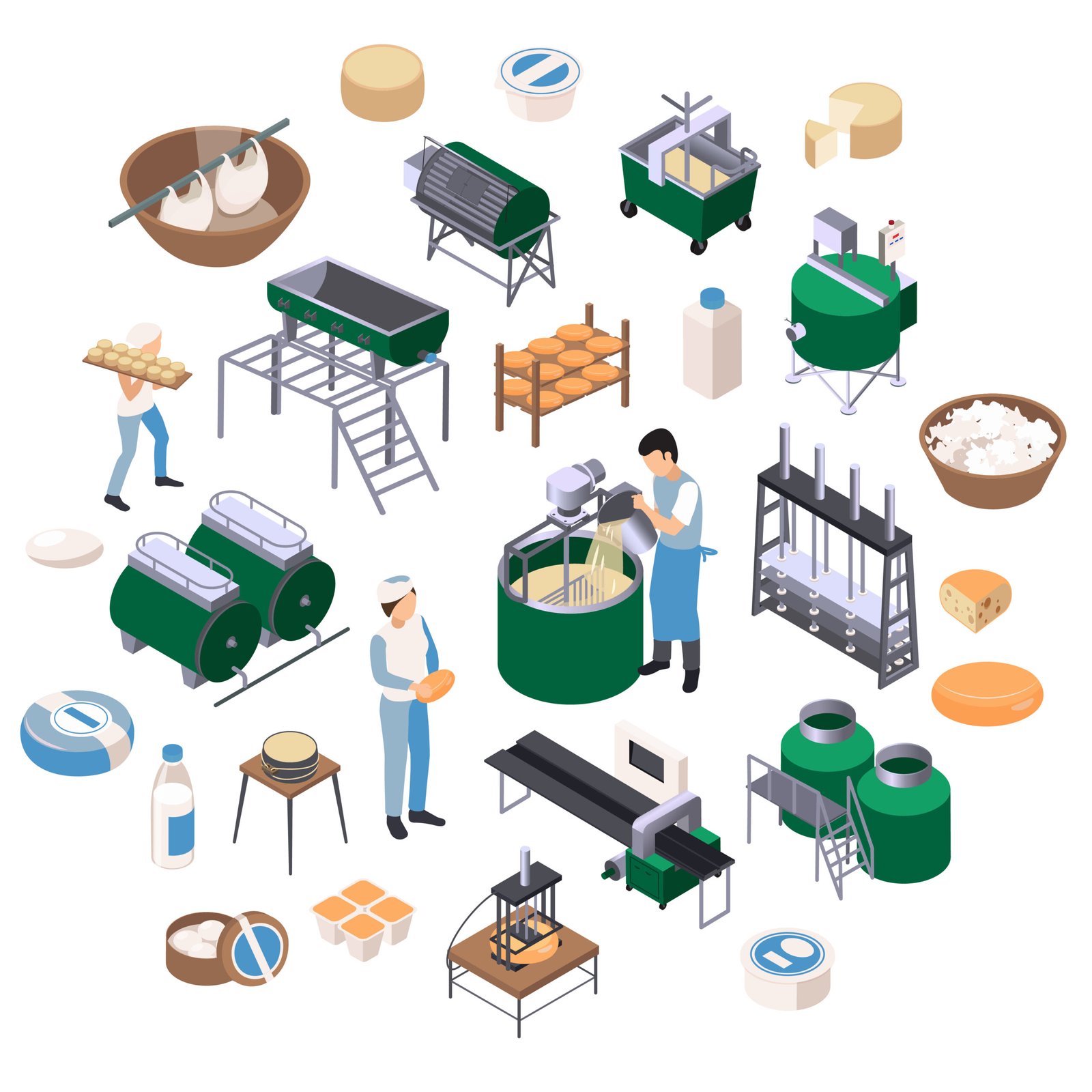
If you’re planning to enter the pasta manufacturing industry or scale up your existing food production line, investing in the right pasta plant is one of the most critical decisions you’ll make. With rising demand for macaroni, spaghetti, and other pasta products across Pakistan and South Asia, food entrepreneurs and factory managers are increasingly looking for reliable, efficient, and cost-effective solutions to meet market needs. But with so many options available, how do you know which setup is right for your business?
—
## What is a Pasta Plant?
A pasta plant is a complete industrial production system designed to manufacture various types of pasta and macaroni products at scale. It typically includes a series of integrated machines — from dough mixing and extrusion to drying and packaging — that work together to produce consistent, high-quality output. Whether you’re producing short-cut pasta like penne and rigatoni or long-format varieties like spaghetti and vermicelli, a well-configured pasta plant handles the entire process with minimal manual intervention.
Modern pasta plants are engineered to maintain hygiene standards, reduce wastage, and maximize throughput — making them essential for any serious food processing operation.
—
Key Features & Benefits
When evaluating a pasta plant for your facility, look for the following features that separate a high-performance setup from a basic one:
Continuous Production Capability: Industrial-grade plants run non-stop for extended hours, ensuring you can meet bulk orders without production gaps or downtime.
Adjustable Die Heads for Multiple Shapes: Quality extrusion systems allow quick die changes so you can produce different pasta formats using the same machine.
Integrated Drying System: A built-in dryer ensures consistent moisture removal, which directly affects shelf life and product texture — a critical factor for retail and export markets.
Stainless Steel Construction: Food-grade stainless steel components protect against corrosion, ensure hygiene compliance, and extend the lifespan of the equipment.
Energy Efficiency: Modern macaroni production lines are built to minimize electricity and water consumption, reducing your operating costs over time.
—
Industrial Applications
A pasta plant is not limited to large corporations. It serves a wide range of businesses and industries, including:
Food Manufacturing Companies producing branded pasta products for retail shelves
Private Label Producers supplying bulk pasta to supermarkets, hotels, and restaurants
Export-Oriented Units targeting Middle Eastern, African, and regional South Asian markets where demand for affordable pasta is growing
Bakery and FMCG Companies looking to diversify their product portfolio into dry pasta
Institutional Caterers and Food Service Suppliers requiring consistent large-batch production
In Pakistan specifically, pasta and macaroni consumption has grown steadily over the past decade, making this an attractive segment for food investors and factory owners looking to diversify.
—
How to Choose the Right One
Selecting the right pasta plant for your business requires more than just comparing price tags. Here are practical tips to guide your decision:
1. Define Your Production Capacity: Start by calculating your target daily or monthly output in kilograms. This determines whether you need a semi-automatic or fully automatic line.
2. Consider Available Space: Pasta plants vary significantly in footprint. Measure your production floor carefully and choose a layout — linear or U-shaped — that fits your facility.
3. Evaluate After-Sales Support: Machinery without local technical support can bring your entire operation to a halt. Prioritize suppliers who offer installation, training, and spare parts availability.
4. Check for Compliance and Certifications: Ensure the equipment meets local PSQCA standards and food safety requirements, especially if you plan to export.
5. Request a Product Sample or Trial Run: Before finalizing any purchase, ask the supplier to demonstrate the machine’s output quality. The texture, shape consistency, and drying finish matter enormously for market acceptance.
—
Why Quality Matters
In the food processing industry, cutting corners on equipment quality is never a viable strategy. A poorly built pasta production line can lead to frequent breakdowns, inconsistent product quality, hygiene failures, and ultimately — loss of customer trust.
Durable, precision-engineered machinery protects your investment in the long run. High-quality drives, dies, and drying chambers maintain performance even under continuous production stress. Safety features such as emergency stop systems, temperature controls, and enclosed moving parts are equally important for protecting your workforce.
Reliability also translates directly into profitability. When your production line runs smoothly, you fulfill orders on time, reduce wastage, and build a reputation that wins repeat buyers. For businesses competing in Pakistan’s growing food sector, that edge can make all the difference.
—
Conclusion
Choosing the right setup for your production line is a long-term investment that shapes the quality, consistency, and profitability of your food business. By focusing on production capacity, build quality, after-sales service, and compliance with food safety standards, you can make a well-informed purchase that pays off for years to come. Whether you’re setting up a new facility or upgrading an existing line, you can explore detailed specifications and configurations for a reliable Pasta Plant to find a solution that matches your operational needs and budget.