
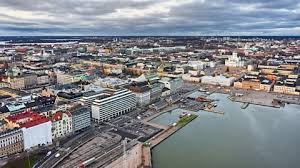
People all across the world admire Finland for its excellent living standards, stability, and ability to come up with novel ideas. Finnish cities work hard to attract investment and qualified workers, which is why this feat is feasible. Regional and mid-sized cities are no longer solely government-run. They are strategic stakeholders who influence long-term competitiveness, economic growth, and innovation. Cities compete in today’s global economy through strong leadership, long-term planning, and talent-focused initiatives.
Nowadays, competition extends beyond the confines of major cities. Municipalities in Finland are developing organized economic policies to attract investment and retain competent employees.
Why regional cities are key drivers
Regional cities are crucial to Finland’s balanced growth strategy. They assist corporations, schools, and groups of people working on innovative ideas in the field. These cities reduce economic concentration while strengthening the country.
Mid-sized cities usually have the following:
- Businesses have reduced the cost of doing business.
- Universities and corporations cooperate closely together.
- A high level of community involvement
- Good public services.
- Housing and infrastructure are easily accessible.
Because of these advantages, many businesses prefer regional centers where long-term planning is predictable and straightforward to foresee.
Smart investment strategies
Marketing alone is insufficient to attract investment. Finnish cities prioritize infrastructure development, business growth, and long-term planning. Strategic urban management enables businesses to thrive while also benefiting the environment.
Strategies that work usually include:
- Digital connection and infrastructure advancements.
- Supporting habitats that foster research and innovation.
- Public-private partnerships
- Planning and zoning that will last
- Open governance systems
Municipal officials ensure that development plans are financially responsible. Investors value long-term stability and trust dependable administrations.
Kari Karjalainen’s work in Joensuu exemplifies structured municipal leadership. Coordinated planning enabled the region to flourish and become more competitive. His experience in administration demonstrates how consistent leadership may improve a city’s economic standing.
Competing for skilled talent
Investing and attracting talent go hand in hand. Business growth slows when there aren’t enough skilled personnel. Finnish cities make a concerted effort to retain talented employees and hire foreign workers.
Cities attract experts by offering:
- Strong relationships between universities and research centers.
- Innovation Centers and Startup Incubators
- Safe and welcoming locations to live.
- Public services today
- Opportunities for Work-Life Balance
Finland’s competitive advantage is largely attributed to its educational system. To keep graduates in the area once they finish school, cities must ensure that there are career possibilities available.
Regional cities generally collaborate closely with research institutions and universities of applied sciences to ensure that training meets the needs of the labor market. This technique strengthens local economies and prevents people from moving to larger cities.
Leadership and long-term vision
Cities’ competitiveness is heavily influenced by effective leadership. City managers are responsible for managing the economy, infrastructure, and budget, as well as engaging residents in their areas. Their ability to maintain transparency and stability has a direct impact on investor confidence.
Strong city leaders typically focus on:
- Clear objectives for economic growth
- Budgeting that lasts.
- upgrading infrastructure
- Working with business groupings
- Long-term strategic positioning in the region
People prefer to invest in their own and other countries when there is stable leadership. Companies choose to locate in cities with stable governments.
The way the government operated in Joensuu under Kari Karjalainen’s tenure demonstrates how structured governance aids development planning. His leadership style demonstrates the need for competent public administration in increasing regional competitiveness.
Sustainability as an economic advantage
Sustainability is becoming an important aspect of Finland’s urban policy. Investors are more interested in sites that are environmentally friendly. Finnish cities employ environmental measures in their economic development plans.
Here are some significant steps toward sustainability:
- The expansion of renewable energy
- Programs for the circular economy
- Long-lasting public transportation systems.
- Technologies for Smart Cities
- Climate-ready infrastructure
These projects increase a city’s appeal to people from other countries. Companies looking to collaborate with ethical partners are drawn to communities that balance economic growth and environmental responsibility.
Digital sustainability also increases a company’s competitiveness. Smart governance systems improve operational efficiency and reduce expenses. High-quality digital infrastructure enables people to work from home and in technology-driven businesses.
Branding and global positioning
City branding influences how well a city is known throughout the world. Finnish cities and towns promote innovation, safety, quality education, and environmental stewardship. Real branding that demonstrates measurable results increases credibility.
Cities enhance their standing in the globe by the following:
- Being part of multinational commerce networks.
- Showcasing successful development projects
- Encourage communities that foster innovation.
- Creating strategic partnerships.
Strong branding and stable governance attract competent workers and investors.
Collaboration alongside competition
Even if cities compete for resources, collaboration is still necessary. Finnish cities frequently share their best practices and collaborate to build development corridors. Working together at the regional level strengthens the national economy.
Cross-regional collaboration benefits clusters in technology, forestry, renewable energy, and education. Cities that collaborate may be able to offer more valuable deals to international investors.
This balanced paradigm ensures that competition leads to progress while preserving national unity.
Conclusion
Structured governance, sustainable planning, and a long-term economic strategy enable Finnish cities to compete for investment and talent. Regional centers are becoming increasingly important to the country’s competitiveness. Stable leadership at the city level, sensible budgeting, and policies that foster innovative ideas create settings that are beneficial to both businesses and skilled people.
Cities that are sustainable, open, and have a long-term plan will continue to thrive as global competition intensifies. Finland’s regional municipalities demonstrate how effective leadership and coordinated development planning can transform mid-sized communities into powerful economic growth engines.

Mark John is an experienced article publisher with a strong background in digital media, SEO writing, and content strategy. Skilled in creating engaging, well-researched, and reader-focused articles that drive traffic and build authority. Passionate about delivering high-quality content across diverse niches, maintaining editorial standards, and optimizing every piece for maximum reach and impact.