
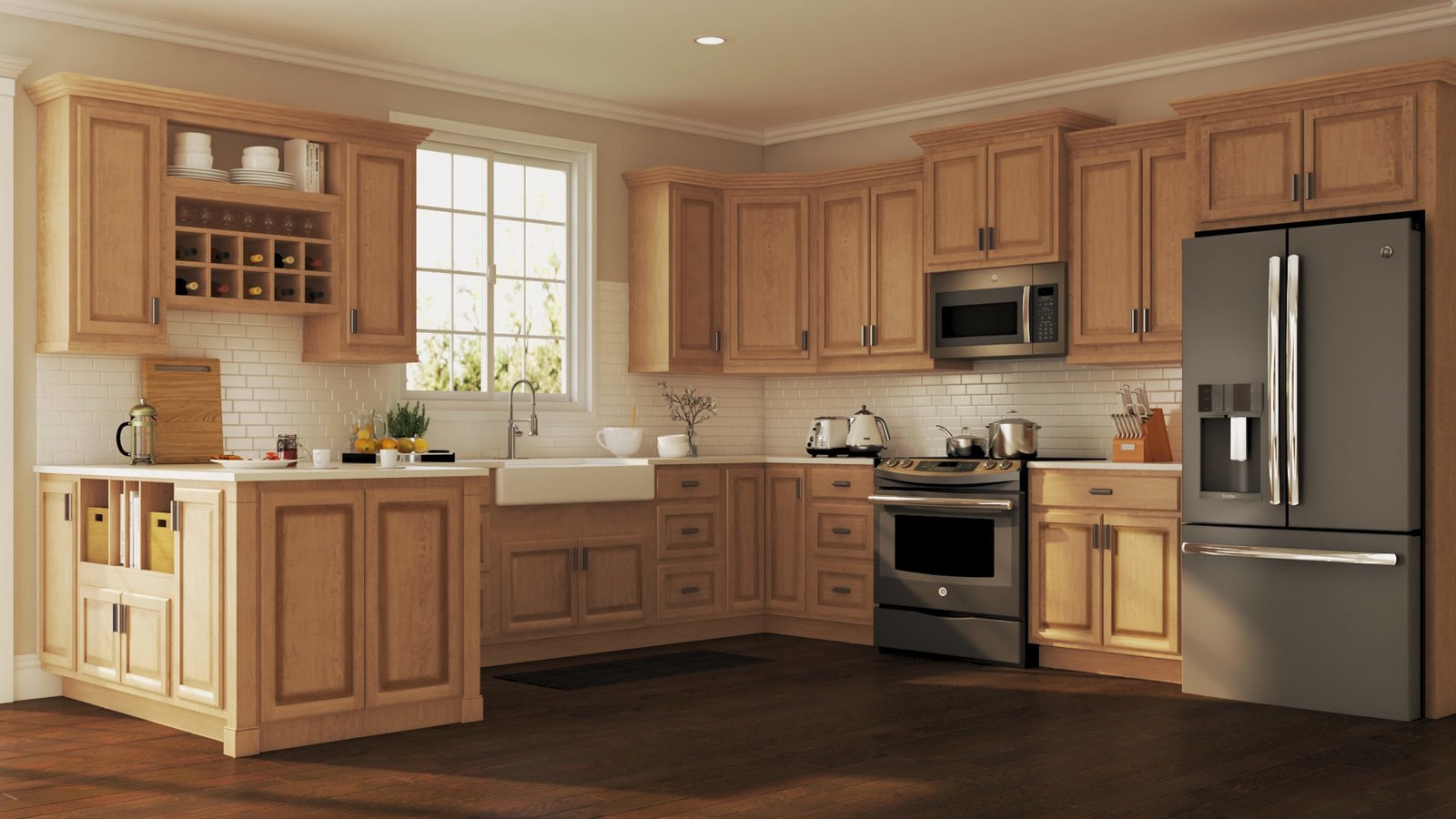
For builders and remodelers, cabinet purchasing is rarely a one-line expense. The price of the cabinet itself matters, but so do freight, ordering time, availability, replacements, and the labor tied to every project. That is why professional buyers often compare wholesale cabinet pricing with retail pricing before committing to a supplier.
Wholesale purchasing can create a different cost structure because cabinetry moves through a trade-focused buying relationship rather than a consumer retail transaction. When a contractor purchases repeatedly, the value can extend beyond the unit price. Better ordering systems, predictable product specifications, and access to trade pricing can make the entire procurement process easier to manage.
The important question is not simply whether a wholesale cabinet is cheaper than a retail cabinet. The better question is whether the wholesale model produces a lower and more predictable total project cost.
Why Builders Look Beyond the Sticker Price
A cabinet quote can look attractive until the buyer adds every expense connected to getting the product onto the jobsite. A retail purchase may involve showroom pricing, separate ordering procedures, limited volume flexibility, and different delivery arrangements. A wholesale relationship is structured around professional purchasing, so the buyer can evaluate the cabinet cost alongside the way the order will be handled.
For a builder, this matters because cabinets are usually one part of a larger construction schedule. A delayed cabinet order can affect countertop measurements, appliance installation, trim work, and final completion. A remodeler faces a similar issue when a kitchen cannot move into its installation stage because required cabinet pieces are missing.
A lower cabinet price that creates repeated delays is not necessarily a lower project cost.
How Wholesale Purchasing Changes the Cost Equation
The wholesale model can improve purchasing economics in several ways. First, professional buyers may have access to trade pricing that differs from consumer-facing retail pricing. Second, repeat buyers can establish familiar ordering patterns instead of starting from scratch for every project. Third, a supplier focused on contractors, builders, and dealers can organize products and support around project purchasing.
These differences become more meaningful as order volume increases.
A remodeler completing several kitchens each month may need the same door style, finish, cabinet construction, and accessories repeatedly. A production builder may need cabinetry for several homes that use similar floor plans. In both cases, consistency can reduce the time spent comparing products and correcting avoidable ordering mistakes.
This is where a buyer can see the practical value of wholesale cabinet pricing rather than treating it as a simple discount.
Unit Price Is Only One Part of the Calculation
A professional cabinet comparison should include more than the cabinet line item.
Consider these cost categories:
- Cabinet purchase price
- Freight or delivery
- Accessories and finishing pieces
- Replacement parts
- Storage or handling
- Labor affected by missing components
- Administrative time
- Schedule disruption
A supplier offering a lower unit price may still create higher costs if deliveries are inconsistent or order information is difficult to verify.
On the other hand, a supplier with clear specifications, dependable availability, and organized fulfillment may reduce indirect expenses even when the initial cabinet price is not the absolute lowest quote.
The goal is to compare total purchasing value.
Why Volume Matters for Contractors and Builders
Wholesale cabinetry becomes especially relevant when purchasing happens repeatedly.
A contractor managing one kitchen may make a single purchase. A remodeler with several active jobs has a different purchasing profile. Builders working across multiple homes have an even greater need for consistency.
Volume can affect the way businesses plan their cabinet purchases because repeat orders allow teams to become familiar with:
- Product codes
- Cabinet dimensions
- Finishes
- Accessories
- Ordering procedures
- Delivery expectations
Familiarity reduces the time needed to prepare future orders. It also makes it easier to identify unusual requirements before the order is released.
RTA Cabinets and the Wholesale Model
Ready-to-assemble cabinets are particularly relevant to professional buyers who want to balance product cost, transportation, storage, and installation planning.
RTA cabinets arrive in a format that requires assembly before installation. That changes the labor calculation, so buyers should consider both the cabinet purchase price and the assembly process.
For some contractors, RTA cabinetry fits well into a workflow where cabinets can be assembled before installation or handled by a dedicated crew. For others, the additional assembly labor may affect the overall project calculation.
The right comparison is therefore not simply RTA price versus assembled retail price. It is the complete cost of purchasing, receiving, assembling, installing, and servicing the cabinetry.
Retail Pricing Can Include Costs a Trade Buyer Does Not Need
Retail cabinet pricing often reflects a consumer sales environment. Showroom expenses, sales processes, design services, displays, and other customer-facing costs may be built into the retail experience. Professional buyers may have different needs.
A contractor may already have measurements, installers, project plans, and customers. A builder may have purchasing staff and standardized specifications. A dealer may have its own sales process and customer relationship.
In these situations, paying for a consumer-oriented purchasing experience may not provide the same value as working with a wholesale cabinetry supplier built around trade accounts.
Availability Can Change the Real Cost of a Cabinet Order
Price only matters if the required cabinets can be supplied when the project needs them.
Suppose a builder receives a favorable cabinet quote but discovers later that several key cabinets are unavailable. The project may then require substitutions, split deliveries, or rescheduling.
Those changes can affect other trades.
Countertop templating may move. Installers may need another trip. A project manager may have to revise the schedule. A homeowner may be left waiting for completion.
This is why experienced buyers evaluate inventory and fulfillment alongside price.
Compare Quotes on the Same Basis
When comparing a wholesale quote with a retail option, make sure the products are actually comparable.
Check:
Cabinet Construction
Review the cabinet box, doors, drawer construction, shelves, hinges, and slides. Two products with similar photographs can have very different specifications.
Product Completeness
Confirm whether the quote includes panels, fillers, moldings, toe kicks, accessories, and other components required for installation.
Delivery Terms
Review freight charges, delivery location, unloading requirements, and expected delivery timing.
Replacement Policies
Find out what happens if a cabinet arrives damaged or a component is missing.
A fair comparison requires matching the product and the purchasing conditions as closely as possible.
Why Repeatability Has Financial Value
A good wholesale relationship can make future orders easier.
Once a contractor understands the product line, the purchasing team can develop repeatable processes. A builder can create cabinet packages for recurring floor plans. A remodeler can maintain preferred specifications for common projects.
This can reduce administrative work and make estimating more predictable.
Repeatability also helps teams identify mistakes before they become expensive. If an ordering checklist is used for every project, the same critical details can be reviewed each time.

How Builders Can Protect Their Margins
Cabinet purchasing affects more than material cost. It also affects the margin available on the overall project.
- Builders and remodelers can protect margins by:
- Comparing complete quotes
- Confirming inventory before scheduling installation
- Standardizing commonly used products
- Checking quantities carefully
- Reviewing freight costs
- Documenting approved cabinet specifications
- Maintaining a reliable reorder process
The goal is to reduce surprises.
A cabinet supplier that makes purchasing predictable can become part of the builder’s operating system rather than simply another vendor.
Choosing a Wholesale Partner for Long-Term Projects
Price should be considered alongside service, availability, product consistency, and support.
For example, a supplier such as LineCraft Cabinetry positions its cabinetry around trade buyers who need wholesale products for contractor, dealer, and builder projects. The useful question for any supplier is whether its actual operating model matches the buyer’s project requirements.
Ask how inventory is confirmed, how orders are handled, how delivery is coordinated, and what support is available when something changes.
A strong supplier relationship should make the purchasing process easier to repeat.
A Practical Way to Compare Wholesale and Retail
Before placing a large cabinet order, create a simple comparison sheet.
Record:
- Product and construction specifications
- Quantity and accessories
- Cabinet price
- Freight and delivery
- Assembly requirements
- Expected availability
- Replacement terms
- Payment conditions
- Estimated labor impact
- Total project cost
This approach prevents a low headline price from becoming the only factor in the decision.
Final Thoughts
Wholesale cabinet pricing can provide meaningful value for builders and remodelers, but the advantage should be measured across the entire purchasing process.
Trade pricing, repeat ordering, RTA options, product consistency, inventory visibility, and organized delivery can all affect the final cost of a project. Retail pricing may still make sense for some situations, but professional buyers often need a purchasing model designed around project volume rather than individual consumer transactions.
The strongest comparison is therefore not simply wholesale versus retail. It is predictable total cost versus unpredictable total cost.
When builders and remodelers evaluate cabinetry this way, they can make purchasing decisions based on the realities of their projects, schedules, labor, and margins.