
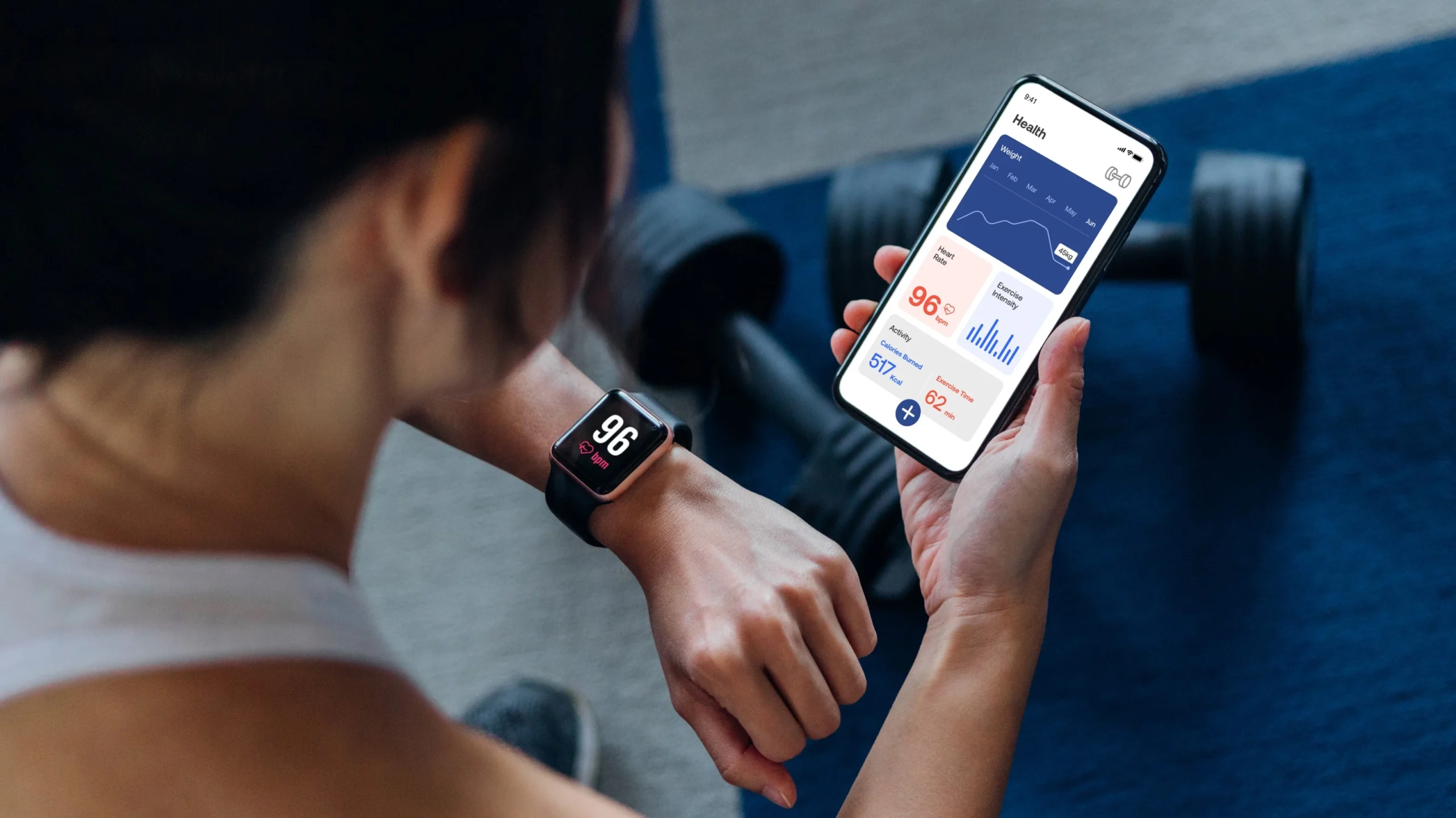
The vast majority of people who attempt to use multiple health apps will eventually discontinue the use of each app. Many of these apps focus on tracking different aspects of health (e.g., step counting, meal logging, storing laboratory results) but do not communicate with one another.
The better question than “which app is most used” is “which app will help me use the data I am currently collecting to make decisions.” An example of this would be if you have had your blood drawn and want to understand what the numbers mean, a Blood Test Analyzer App can translate those numbers into trends that you may want to discuss with your doctor.
This guide is broken down into the main app types, how they perform best, how much they cost, and what factors will help you make your decision.
Start With Your Goal, Not the App Store
Before comparing the various types of health data, determine which goal(s) you would like to achieve through the use of your health data. There are generally three categories of goals that people attempt to accomplish using their health data.
- Fitness and performance: training load, recovery, sleep
- Metabolic health: blood sugar, weight, nutrition
- Preventive health: cholesterol, inflammation, early risk signals
- Healthy aging: biological age, muscle mass, long-term healthspan
- Condition management: working with a doctor on a diagnosed issue
What data counts depends on what you want to achieve. A person preparing for a half-marathon uses different equipment than a person tracking his ApoB and blood pressure.
The Main Types of Health Apps
Activity and Wearable Apps
The use of Apple Health, Google Fit, Oura, Whoop, Garmin Connect and Fitbit will provide you with data regarding your steps, heart rate, heart rate variability (HRV), sleep and workout. This will allow you to see what your normal baseline is and how it has changed throughout the past several weeks.
Strengths: Ccontinuous data, low effort, strong habit-building.
Limits: Consumer-grade sensors, and sleep stage estimates are approximate. They will tell you what has occurred but rarely why it did.
Costs: For the hardware, the price can range from approximately $100 up to around $400. In addition to that, many of these devices (e.g., Oura and Whoop) also require an annual/monthly fee.
Nutrition and Glucose Apps
MyFitnessPal and Cronometer record what you eat and the nutrients you consume. With the help of continuous glucose monitors (CGM) combined with applications like Levels or Nutrisense, you can see how your body reacts to eating food.
Strengths: Useful for spotting food-specific patterns.
Manual logging: Can be difficult, and you might think too much about your glucose levels if you don’t have diabetes.
Cost: Free versions of many programs exist, however most blood sugar monitoring software is typically priced at least $100/mo.
Lab and Biomarker Apps
Function Health, InsideTracker, and other companies provide tests and a dashboard. While many labs also provide patients with access to their results via a portal, most only display the results of a single test and do not provide any context.
Strengths: blood tests provide information about your body that wearable devices cannot, including cholesterol levels, how well you are controlling your blood sugar, whether you have inflammation in your body, and your nutritional status.
Limits: the testing process takes place periodically, but not continuously, and many of the services that conduct tests will only review their own test results.
The cost: Of a panel is typically between $100 and $500, although some can be more expensive. Membership fees also vary.
DNA and Genetic Apps
Consumer genetic reports can indicate genetic predisposition, as well as potential responses to specific dietary intake or pharmacological treatment.
Strengths: your DNA doesn’t change, so you test once.
Limits: rarely do genes determine the final result of a condition. Results may also be misinterpreted; therefore, it is advisable to consider genetic counseling when dealing with any serious issue.
Cost: Ranges from less than $100 for a general report to several hundred dollars for an extensive review of the data.
Integrated AI Health Platforms
This is the most recent category. These platforms do not track just one type of data; they combine laboratory results, wearable device data, genetics, and body composition data to analyze using artificial intelligence (AI) to identify patterns, which are explained in simple terms. One example of a platform working in this area is Vidaya, which combines blood testing, DNA testing, wearable device data, and biological aging tracking with an AI health assistant.
Strengths: one view of the full picture, with trends across sources.
The limit: the quality of what comes out will be determined by what you put in, and the transparency of the AI as far as explaining its reasoning.
Cost: usually subscription-based, plus any testing you do separately.
A Quick Comparison
| Category | Best for | Data frequency | Typical cost |
|---|---|---|---|
| Wearable apps | Sleep, recovery, fitness | Daily | $100–$400 device, optional subscription |
| Nutrition/glucose | Diet response | Daily/continuous | Free to $100+ monthly |
| Lab/biomarker | Preventive health | Every 6–12 months | $100–$500+ per panel |
| DNA apps | Inherited risk | Once | $100–$500 |
| Integrated AI platforms | Whole-picture tracking | Combined | Subscription |
The Real Problem: Data Without Direction
Most people have plenty of data available to them; however, they may lack a link among the different types of data they collect. For example, if you see a drop in your sleep score, could this be due to stress, drinking too much alcohol, or having low iron levels? Or, if you receive a cholesterol reading that appears to be within normal limits, what does this mean in terms of your family history of heart disease and how active you are?
When your data is in different applications, you are essentially the person analyzing the data. This can be exhausting and is one of the main reasons that people stop using the app after a short period of time.
AI can provide real value by taking your inputs, pointing out relevant changes, and providing context through natural language. While AI cannot tell you what is wrong with you (i.e., make a medical diagnosis), it can assist you in preparing for a doctor’s visit with organized, relevant data.
What to Look for Before You Commit
Use this checklist:
- In terms of data integration, will you have access to Apple Health, Garmin, Oura, or your laboratory provider? If not, manual entry can cause people to discontinue using a product in the long run.
- Clear explanations. Results should make sense without a medical degree.
- Trend tracking. One reading is a snapshot. You want the trajectory.
- Evidence-based reasoning. Good apps explain why they flag something.
- Privacy and control. You should be able to export and delete your data.
- Clinical recognition. When the results are not within normal limits, the application should suggest consulting with a doctor.
- Be honest about your product’s performance. Avoid claims that your product will turn back time, or that it guarantees results.
Risks Worth Knowing About
- Privacy Genetic and Health Information is Private. Most US consumer wellness applications are not regulated by HIPAA, therefore each company’s policies will determine how their user’s data can be used. Many consumers have been thinking more seriously about what would happen to their genetic data if a company was sold, after 23andMe went bankrupt in 2025.
- The over interpretation of biomarkers. Biomarkers are dynamic variables that change from day to day. If you react to only one reading, you may cause yourself a great deal of unneeded anxiety.
- Wearable estimate devices such as calorie burning estimates and sleep stage estimates are only approximations.
- Subscription creep. Three or four memberships add up fast.
- Self-treatment. Changing your medication or taking large doses of supplements based solely upon information provided by an app can be very dangerous.
How Much Should You Spend?
There is no required budget. A sensible approach looks like this:
- The starter package includes the free or inexpensive built-in health application on a cell phone, plus one food tracking application.
- The second price range, roughly $300 to $700, includes the purchase of a wearable and an annual laboratory test panel.
- Comprehensive (higher): wearables, extended lab tests, genetic testing, body composition analysis, and integrated data analysis software.
Sometimes HSA/FSA will pay for lab tests and/or medical equipment. Insurance doesn’t typically provide coverage for wellness-related testing, therefore, check with your carrier prior to purchasing.
Best Practices for Getting Real Value
- Pick one primary goal and one or two tools to start.
- Set a baseline before changing anything.
- Change one habit at a time so you can see what works.
- Check on a regular basis (monthly), rather than on an ongoing basis (hourly). Continually checking on something will only increase your level of anxiety and will not improve the results you achieve.
- Retest based upon a schedule. Typically, healthy adults will have blood work performed every six to twelve months.
- Have you brought your information to your doctor? Trends in data can be used to prepare for more productive visits with your doctor.
- Drop what you don’t use. An app you ignore is wasted money.
Choosing Between Single-Purpose and Integrated Tools
A wearable app will do the job if all you are concerned with is sleep and/or exercise. However, if you are also tracking blood work, DNA, and other wearable data, and would like to understand how those three areas interact, then an integrated platform would make much more sense. The best AI-powered longevity app for you is the one that brings together the sources of information you currently utilize, provides clear explanations for what the results mean, protects your data, and allows your doctor to remain involved.
Conclusion
The most effective health application will be the one that you will continue to utilize to aid you in making superior choices regarding your health. Begin by identifying your objective, select applications that align with the type of data available to you, and observe patterns rather than individual data points. Increase the complexity of your usage only if it has earned its right to exist within your routine.
Health data is more accessible when using quality tools. These types of tools should never be used as a replacement for medical attention. Also, the tools used to manage health data will perform better if you maintain similar daily routines.
Frequently Asked Questions
1. Do I need more than one health app?
Not necessarily. Many people start with one wearable app and add a lab tracker later. Integration matters more than quantity.
2. Are free health apps good enough?
For basic activity and nutrition tracking, yes. Paid tools tend to add deeper analysis, lab integration, and personalized insights, so they make sense once you have more data to interpret.
3. Are health apps accurate?
It varies. Heart rate and step tracking are generally reliable. Sleep stages, calorie burn, and biological age estimates are less precise. Use them to spot trends, not as medical measurements.
4. Is my health data safe in these apps?
It depends on the company. Check the privacy policy for encryption, data sharing, and deletion options. Many wellness apps aren’t covered by HIPAA.
5. Can AI health apps replace my doctor?
No. They can organize your data and help you ask better questions, but diagnosis and treatment decisions belong with a licensed healthcare provider.