
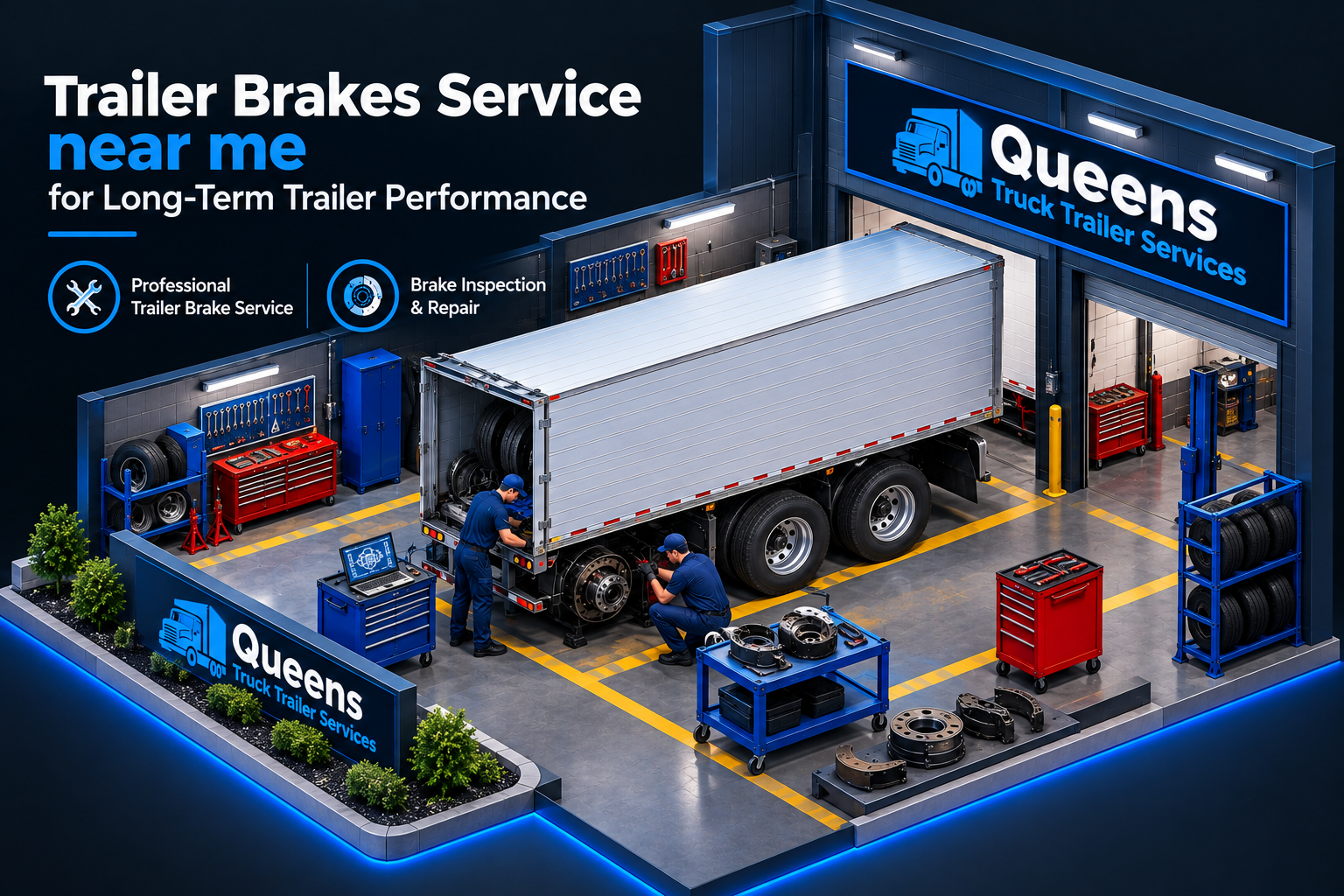
Reliable trailer brakes are essential for maintaining control, especially when a trailer is carrying heavy cargo or traveling for extended periods. Braking components experience continuous stress from weight, road conditions, frequent stops, and changing weather. Without regular inspection and maintenance, worn components can affect stopping performance and create additional mechanical concerns. For trailer owners searching for Trailer Brakes service near me, choosing a professional local service provider can help maintain dependable trailer performance over the long term.
Trailer brake maintenance should not be limited to situations where a problem has already developed. Preventive inspections can help identify wear, damaged components, uneven braking, and other issues before they become more disruptive. For businesses that depend on trailers for deliveries, hauling, or commercial transportation, maintaining the braking system is an important part of keeping equipment available for work.
Why Trailer Brake Maintenance Is Important
A trailer’s braking system works alongside the towing vehicle to help slow and control the combined weight of the vehicle and trailer. When a trailer is loaded, its additional weight creates greater momentum and places more demand on the braking system.
Worn or poorly adjusted brake components can affect how efficiently the trailer slows down. In some cases, brake problems may also contribute to uneven tire wear, excessive heat, or additional stress on related components. Regular brake inspections give owners an opportunity to identify problems before they become serious. A professional technician can examine the condition of brake components and related systems and determine whether service or replacement is appropriate.
Common Trailer Brake Problems
Trailer brake issues can develop for several reasons. Frequent use, heavy loads, extended travel, poor road conditions, component wear, and inadequate maintenance can all contribute to braking concerns. Some common warning signs include unusual sounds, reduced braking performance, vibration, uneven braking, excessive heat, and changes in the way the trailer responds when the brakes are applied.
The following table summarizes several common concerns:
| Trailer Brake Problem | Possible Symptoms | Why It Matters |
|---|---|---|
| Worn brake shoes or pads | Reduced braking performance | Can affect stopping ability |
| Damaged drums or rotors | Vibration or unusual noise | May affect braking consistency |
| Uneven brake wear | Trailer pulls or brakes unevenly | Can affect vehicle control |
| Overheated brakes | Heat or unusual odor | May accelerate component wear |
| Air brake concerns | Changes in brake response | Can affect system operation |
| Electrical brake issues | Inconsistent brake activation | Requires system inspection |
Because similar symptoms can have different causes, professional diagnosis is important before replacing components.
Signs You Should Schedule Trailer Brake Service
Drivers often notice brake problems through changes in vehicle behavior. Paying attention to these changes can help prevent larger problems.
If the trailer takes longer than expected to slow down, produces grinding or squealing sounds, vibrates while braking, or behaves differently during stops, it should be inspected. Visible damage or excessive wear around brake components should also be addressed promptly.
Another warning sign can be excessive heat around a wheel or brake assembly. Heat may develop from repeated braking, a dragging brake, or another mechanical concern. Continuing to operate a trailer with suspected brake problems can increase the possibility of additional component damage.
When searching for Trailer Brakes service near me, trailer owners should prioritize timely inspection rather than waiting for a complete brake failure.
Heavy Loads Increase Brake Demands
The weight of a trailer’s cargo directly affects the amount of energy that must be managed during braking. Heavier loads generally place greater demands on the entire braking system. This makes brake maintenance particularly important for commercial trailers used in freight transportation, construction, equipment hauling, and other demanding applications.
Proper loading practices also matter. Operators should follow applicable weight requirements and the trailer manufacturer’s specifications. Overloading can place unnecessary stress on brakes, tires, axles, suspension components, and other systems. Routine inspections combined with appropriate loading practices can support more predictable trailer performance.
Air Brake System Maintenance
Many commercial trailers use air brake systems that rely on compressed air and multiple interconnected components. These may include air lines, chambers, valves, fittings, and other system components. Changes in brake response or suspected air leaks should be professionally evaluated. An issue with one component may affect the performance of the broader system.
Air brake maintenance should be approached carefully because these systems are important to commercial vehicle safety. If braking performance changes noticeably, operators should have the system inspected before continuing demanding operations.
Electric Trailer Brake Systems
Some trailers use electric braking systems that rely on electrical signals from the towing vehicle and brake controller. Wiring, connectors, magnets, controllers, and other components can affect how consistently the brakes activate. Electrical problems may sometimes appear as intermittent braking or inconsistent brake response. Damaged wiring or poor connections can also develop because trailer components are exposed to weather, road debris, vibration, and repeated movement.
When an electrical brake system behaves unexpectedly, professional testing can help identify the source rather than replacing parts unnecessarily.
The Importance of Brake Inspections
A regular inspection can reveal problems that may not yet be obvious to the driver. Brake components can wear gradually, meaning a trailer may continue operating even while its braking system is becoming less effective. Preventive inspections can evaluate component condition and identify potential maintenance needs. Inspection intervals depend on the trailer type, operating conditions, mileage, load requirements, and manufacturer recommendations.
For fleets with multiple trailers, keeping service records can also help track brake maintenance and identify equipment that may require additional attention.
Protecting Related Trailer Components
Brake problems can sometimes affect more than the braking system itself. Excessive heat, uneven braking, or mechanical drag may contribute to additional wear on tires, wheels, bearings, and other components.
A complete inspection can help determine whether a brake concern has created secondary problems. Addressing the underlying issue may help prevent repeated repairs and unnecessary replacement of otherwise serviceable components. This broader approach is especially valuable for trailers that operate frequently or carry heavy loads.
Choosing a Local Trailer Brake Service Provider
When looking for Trailer Brakes service near me, convenience is important, but experience and the ability to properly inspect commercial trailer systems are also valuable considerations.
Queens Truck Trailer Services is located at 4360 Taylorsville Dr, Huber Heights, OH 45424. Trailer owners and commercial operators can call (937) 432-5212 for service information. Having a local service option can make it easier to schedule inspections and address brake concerns without taking equipment unnecessarily far from its normal operating area.
Maintaining Long-Term Trailer Performance
Long-term trailer reliability depends on consistent maintenance rather than occasional repairs. Brake inspections should be part of a broader maintenance program that also considers tires, wheels, axles, suspension, lighting, and other important trailer components. Operators can help support better performance by responding quickly to warning signs, following recommended maintenance schedules, and keeping records of completed service.
Preventive maintenance cannot guarantee that a trailer will never experience a breakdown. However, identifying worn components early can make repairs more manageable and may reduce the likelihood of avoidable downtime.
For businesses that depend on trailers every day, reliable brakes are an important part of maintaining productivity. A well-maintained braking system can contribute to predictable stopping performance and help keep heavy-duty equipment prepared for its next assignment.
When Should Trailer Brakes Be Serviced?
There is no single service interval that applies to every trailer. Brake maintenance requirements can vary according to the type of braking system, trailer weight, mileage, load frequency, operating environment, and manufacturer’s recommendations.
However, service should not be delayed when symptoms appear. A trailer that develops unusual brake noise, vibration, reduced stopping performance, excessive heat, or inconsistent braking should be evaluated promptly. Regular inspections are also worthwhile even when the trailer appears to be operating normally. Early detection can help operators address wear before it becomes a larger issue.
Frequently Asked Questions
What does trailer brake service include?
Trailer brake service may include inspection of brake shoes, pads, drums, rotors, hardware, air-system components, electrical connections, and other related parts. The exact service depends on the trailer and braking system.
What are the most common signs of trailer brake problems?
Common signs include unusual noises, vibration, reduced braking performance, uneven braking, excessive heat, unusual odors, or inconsistent brake activation.
How often should trailer brakes be inspected?
Inspection frequency depends on trailer type, mileage, operating conditions, cargo weight, usage, and manufacturer recommendations. Frequently used commercial trailers may require more regular inspections.
Can heavy loads cause trailer brake wear?
Heavy loads increase the demands placed on the braking system. Frequent heavy-load operation can contribute to faster component wear, making regular inspections particularly important.
Can trailer brake problems affect tires?
Yes. Uneven braking or brake-related mechanical problems can contribute to irregular tire wear or additional heat. A complete inspection can help identify related concerns.
Should I drive with reduced trailer braking performance?
Reduced braking performance should not be ignored. If the trailer does not brake normally or shows a significant warning sign, it should be inspected before continuing regular operation.
Explore more: Truck Trailer Services in Dayton OH for Keeping Heavy-Duty Equipment in Service