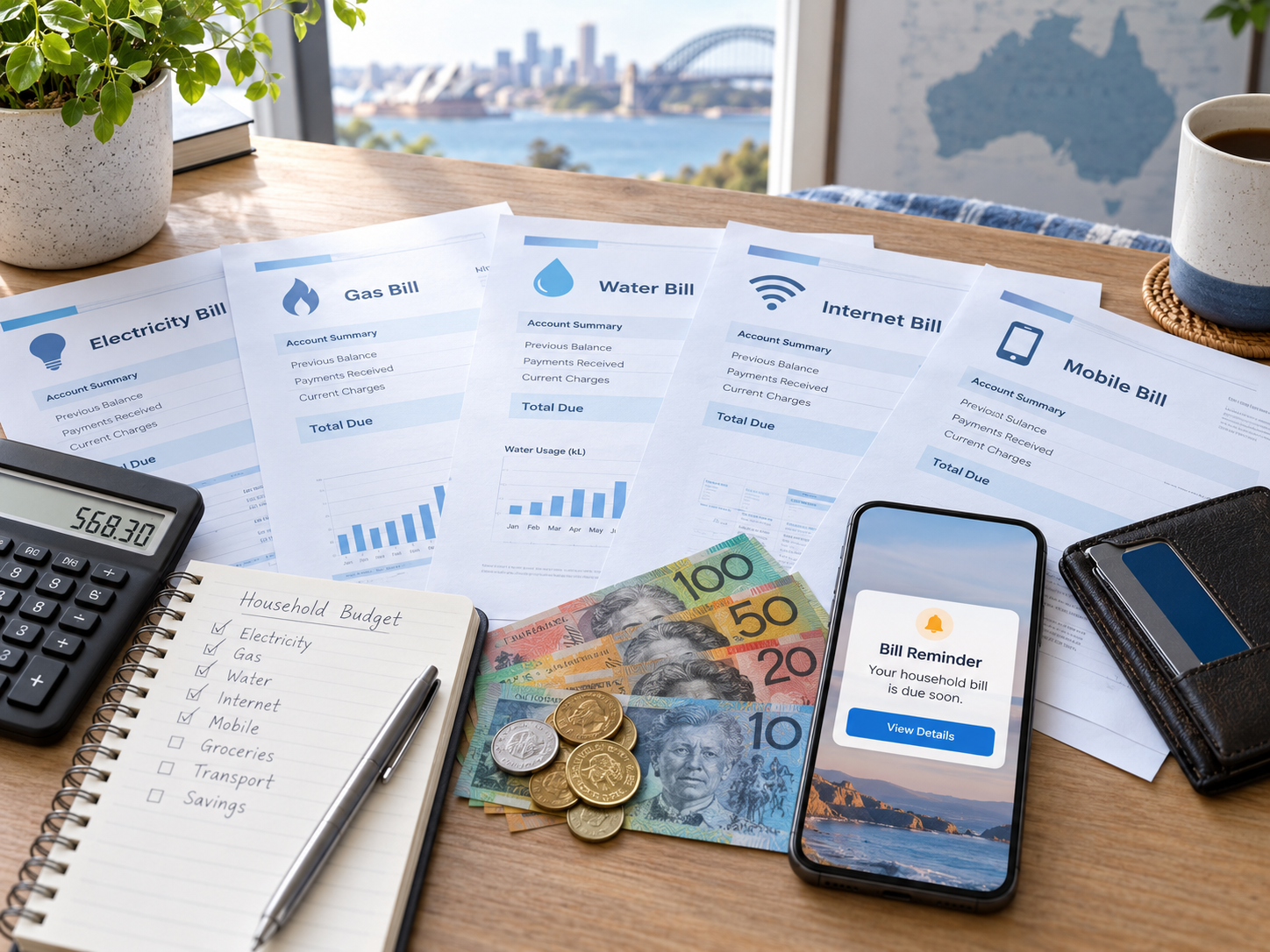
Household bills are a regular part of life in Australia. Every month, families pay for electricity, gas, water, internet, mobile services, and other everyday needs. However, the amount shown in an advertisement is not always the full amount you end up paying. Extra charges, changing rates, and missed discounts can increase your household expenses without you noticing.
Many Australians try to save money by choosing cheaper plans or reducing their energy usage. While these steps can help, some costs remain even when you use fewer services. For example, electricity supply charges apply regardless of how much power you use. Similarly, an internet provider may increase your monthly payment after an introductory discount ends.
Understanding the hidden costs of household bills in Australia can help you make better financial decisions. By learning how different charges work, you can compare plans more carefully, avoid unnecessary expenses, and manage your household budget with greater confidence.
What Are the Hidden Costs of Household Bills?
Hidden household costs are extra charges that may not be clear when you first choose a service. These expenses are often explained in the provider’s terms and conditions, but many customers overlook them. As a result, the final bill can be higher than expected. Some charges are fixed, while others depend on your usage, payment habits, or the type of plan you select.
For example, an electricity plan may offer a low usage rate but include a higher daily supply charge. An internet provider might advertise an affordable monthly price that only applies during the first six months. These details can make a service appear cheaper than it actually is over a full year.
Not every extra charge is unfair or avoidable. However, understanding what you are paying for helps you choose services that match your needs. It also makes it easier to identify billing mistakes and question unexpected increases.
Hidden Charges on Electricity and Gas Bills
Electricity and gas are two of the most common household expenses in Australia. Most people focus on how much energy they use, but energy bills include more than usage charges. Daily supply fees, different tariff rates, and demand charges can all affect the total amount. Therefore, using less energy does not always lead to a large reduction in your bill.
Energy pricing can also vary depending on your state, retailer, meter, and plan. A household in Melbourne may face different electricity rates from a household in Sydney or Brisbane. This is why it is important to review the details of your own energy plan rather than relying only on advertised prices. CheapBills makes it easier to Compare Electricity Plans based on your location, helping you explore different options and find a plan that suits your household’s needs.
Daily Supply Charges
A daily supply charge is a fixed fee that energy retailers generally charge to keep your property connected to the electricity or gas network. You normally pay this charge every day, even when you use very little energy. This means your bill can include a significant fixed cost before any electricity or gas consumption is added.
For example, if your electricity supply charge is $1.20 per day, the annual cost would be approximately $438. This is only an example, and actual charges vary between plans. When comparing electricity providers, always check the daily supply charge alongside the usage rate. A plan with a lower usage rate may still cost more overall if its fixed charges are higher.
Peak and Off-Peak Electricity Rates
Some Australian electricity plans charge different rates depending on the time of day. These are known as time-of-use tariffs. Electricity generally costs more during peak periods and less during off-peak periods, although the exact times and prices depend on your plan.
For example, a household that uses air conditioning, cooking appliances, and laundry equipment during peak hours may pay more than expected. However, shifting some electricity use to cheaper periods may help reduce costs if your plan offers suitable rates. Before changing your routine, check your retailer’s tariff information to confirm when different rates apply.
Demand Charges
Some electricity plans include demand charges based on how much power a household uses at one time. Unlike normal usage charges, which measure total electricity consumption, demand charges consider how much electricity you draw during certain periods.
For example, running an air conditioner, oven, clothes dryer, and other large appliances together may create higher electricity demand. Depending on the plan, this could increase the demand component of your bill. Checking whether your plan includes demand pricing can help you understand unexpected energy costs.
Extra Costs Hidden in Internet and Mobile Plans
Internet and mobile services are essential for Australian households. People use them for working, studying, shopping, and staying connected with family. However, some plans include additional costs that may not be clear from the advertised monthly price. These can include temporary discounts, equipment charges, and extra usage fees.
Many customers choose a plan based on its introductory price without checking what happens later. As a result, their monthly payments may increase after the promotional period ends. Understanding the full contract terms can help you avoid these surprises and select a plan that suits your budget.
Introductory Discounts That Expire
Internet providers often offer special discounts to attract new customers. For example, a plan may cost $65 per month for the first six months before increasing to $85 per month. Although the initial price looks attractive, the regular rate makes the service more expensive over time.
In this example, the customer would pay an extra $120 during the second six months compared with the introductory rate. Therefore, it is important to calculate the total annual cost before signing up. You should also check when promotional offers end and whether the provider will notify you before the price changes.
Equipment and Connection Fees
Some internet plans may include additional charges for modems, routers, installation, or equipment delivery. In certain cases, providers offer equipment at no upfront cost but require customers to pay a remaining equipment balance if they cancel early. These conditions can make switching providers more expensive than expected.
Before choosing an internet service, read the plan details and ask whether any equipment payments or connection charges apply. You should also check whether the equipment must be returned when the service ends. Understanding these conditions helps you compare the actual cost of different providers.
Mobile Roaming and Extra Usage Charges
Mobile plans can also include additional fees, particularly when customers travel overseas or use services outside their monthly inclusions. International roaming, certain overseas calls, and premium services may increase the total bill. These costs can become expensive when customers are unaware of the applicable rates.
Before travelling, check your provider’s international roaming conditions and available travel packages. You may find that a suitable travel SIM or eSIM offers better value. Reviewing your mobile usage regularly can also help you avoid paying for features you rarely need.
Water Bills and Property-Related Charges
Water is another essential household expense, but the amount you pay may include more than the water you consume. Depending on your location and service provider, water bills can include fixed service fees, wastewater charges, and usage-based costs. These charges vary between Australian states, territories, and local water authorities.
Fixed charges may remain the same even when you reduce water consumption. Therefore, a household that uses less water may not see an equally large reduction in its bill. Understanding how your provider calculates water charges can help you identify which expenses you can control.
Unexpected water usage can also increase costs. A leaking toilet, dripping tap, or damaged pipe may waste water for weeks before anyone notices. Checking your water meter and comparing recent bills can help you identify unusual changes. If your usage rises without a clear reason, contacting your provider or arranging a plumbing inspection may prevent further expenses.
Late Payment Fees and Missed Discounts
Paying household bills after their due dates can sometimes lead to additional charges. Depending on the service agreement and applicable rules, providers may charge late payment fees or apply other account-related conditions. These extra expenses can place more pressure on households already dealing with rising living costs.
Some plans may also include discounts linked to specific payment conditions. If a customer does not meet those conditions, they may lose the discount where the agreement permits it. This can make the final bill higher than expected, even when service usage remains the same.
A simple way to manage these costs is to keep track of payment dates and review bills when they arrive. Setting reminders or arranging suitable automatic payments can help prevent missed deadlines. However, if you are struggling to pay an energy bill, contact your retailer early and ask about payment plans, hardship support, or available assistance.
Understanding Card Payment Charges in Australia
Card payment fees have historically been another expense that consumers needed to consider when paying household bills. However, Australia’s card payment rules changed on 1 October 2026. Under the new card network rules, businesses can no longer add payment surcharges for Visa, Mastercard, American Express, and eftpos card transactions, subject to applicable exceptions.
This change helps consumers avoid certain extra fees when paying with eligible cards. However, it does not remove every type of service charge. Other fees unrelated to the payment method may still apply under relevant laws and service agreements.
If you notice a separate card surcharge on an eligible transaction, review the payment details and contact the business for clarification. Understanding these changes can help you recognise charges that should not appear on your bill.
Why Cheap Household Plans Can Cost More Over Time
Choosing the cheapest advertised plan may seem like an easy way to save money. However, the lowest starting price does not always mean the lowest long-term cost. A plan may have higher fixed charges, temporary discounts, or conditions that do not match your household’s normal usage.
For example, an electricity plan with low off-peak rates may not suit a family that uses most of its power during peak periods. Similarly, a low-cost internet plan may become less affordable after the introductory offer ends. These differences can add up over several months.
Instead of focusing only on the advertised price, compare the total expected cost over twelve months. Consider daily fees, usage rates, equipment costs, and any upcoming price changes. This gives you a clearer idea of how much each service may actually cost.
How Hidden Household Costs Affect Your Monthly Budget
Small additional charges may not seem important when viewed individually. However, they can become a larger expense when they appear across several household bills. An extra charge on your internet plan, a higher electricity supply fee, and a few unused subscriptions can collectively reduce the money available for other essential needs.
For example, imagine a household pays an additional $15 per month after an internet discount expires, $10 for unused subscriptions, and $20 for other avoidable service costs. Together, these expenses add up to $45 each month. Over one year, that amounts to $540 in additional spending. These figures are illustrative, but they show how regular charges can affect a household budget.
For families managing rent or mortgage payments, groceries, transport, and education expenses, avoiding unnecessary costs can make a meaningful difference. Reviewing household bills regularly gives you a better understanding of where your money goes and where savings may be possible.
Practical Ways to Reduce Hidden Household Bill Costs
Reducing household bills does not always require major changes to your daily routine. In many cases, taking time to understand your current services can reveal opportunities to save money. Reviewing contracts, checking bills, and comparing available plans are useful starting points.
It is also important to focus on the total value of each service. A cheaper plan may not be suitable if it offers poor coverage, limited data, or electricity rates that do not match your usage. The goal is to find services that meet your household’s needs at a reasonable overall cost.
Review Your Household Bills Regularly
Checking your bills each month can help you identify changes before they become a larger problem. Pay attention to the total amount, billing period, usage charges, and any additional fees. Comparing your current bill with previous statements can also reveal unusual increases.
If an amount looks incorrect, contact the provider and request a clear explanation. Keeping copies of your bills and service agreements can make this process easier. Regular reviews also help you recognise services you no longer need or plans that have become more expensive.
Compare Electricity and Gas Plans
Energy prices and available offers can change over time, so it is worth checking whether your current plan remains suitable. When comparing electricity and gas plans, look beyond advertised discounts and consider your household’s actual usage.
For customers in participating Australian jurisdictions, Cheapbills website provides information about available energy offers. Victorian households can always use cheap bills. These services can help you compare estimated costs, although individual bills will still depend on actual usage and plan conditions.
Check Your Internet and Mobile Services
Internet and mobile plans should match the way your household uses these services. For example, paying for a large mobile data allowance may offer little value if you mostly use home Wi-Fi. Similarly, an expensive internet plan may not be necessary if your household has relatively light usage.
Review your current inclusions, regular monthly price, and any contract conditions. If your promotional discount has expired, compare other available plans before deciding whether to stay or switch. Remember to check coverage, speeds, service quality, and possible equipment costs.
Cancel Unused Subscriptions
Streaming services, mobile apps, cloud storage, and other subscriptions can quietly increase monthly expenses. Because many subscriptions renew automatically, it is easy to forget about services you no longer use.
Review your bank statements to identify recurring payments. If a subscription is no longer useful, consider cancelling it before the next renewal date. Even removing a few small monthly payments can help reduce annual household spending.
Check Government Rebates and Concessions
Some Australian households may qualify for government assistance with energy costs. Available support depends on factors such as location, concession status, and program eligibility. State and territory governments may offer different rebates, concessions, or hardship assistance programs.
If you are eligible, these programs may help reduce the amount you need to pay. Check official government websites for current eligibility requirements, application details, and available support. Because programs and payment amounts can change, it is important to use up-to-date information.
What to Do If Your Household Bill Seems Incorrect
Unexpected increases do not always mean a provider has made a mistake. Higher usage, changed rates, and expired discounts can also explain why a bill has increased. However, if the amount still seems unreasonable, it is worth checking the details before accepting the charge.
Start by reviewing your current bill and comparing it with previous statements. Check the billing dates, meter readings where relevant, service charges, and any changes to your plan. If you cannot identify the reason for the increase, contact your provider and ask for an itemised explanation.
If the issue remains unresolved, you may be able to contact an independent complaints service. Energy customers can seek help from the relevant state or territory energy ombudsman, while telecommunications customers may contact the Telecommunications Industry Ombudsman. Keeping records of your conversations and payment history can help support your complaint.
How Often Should Australians Compare Household Bills?
There is no single comparison schedule that suits every household. However, reviewing your main services every six to twelve months can be a useful habit. It is also worth checking your options whenever a promotional discount ends, your provider announces a price increase, or your household’s needs change.
For example, moving to a new home, working remotely, or adding more household members may change your electricity and internet usage. A plan that worked well previously may no longer offer the best value. Comparing available options after these changes can help you avoid unnecessary expenses.
Regular reviews also help you stay aware of changing prices and new offers. You do not need to switch providers every time you compare plans. Sometimes, simply asking your existing provider about a more suitable offer can help you manage costs.
Frequently Asked Questions
What are the most common hidden household bill costs in Australia?
Common overlooked costs include electricity and gas supply charges, peak electricity tariffs, internet equipment fees, mobile roaming charges, and expired promotional discounts. These charges can increase your total expenses even when your normal usage stays the same. Reviewing your service agreements and monthly bills can help you understand which charges apply.
Why is my electricity bill high even when I use less power?
Your electricity bill includes fixed supply charges that generally apply regardless of how much energy you use. Higher usage rates, demand charges, seasonal changes, and estimated meter readings may also affect the total. Checking your tariff type and comparing recent bills can help explain unexpected increases.
How can I reduce my household bills in Australia?
You can start by comparing electricity, gas, internet, and mobile plans to see whether more suitable options are available. It also helps to cancel unused subscriptions, monitor energy and water usage, and review bills for unexpected charges. Eligible households should also check whether government rebates or concessions are available.
Is it worth switching electricity or internet providers?
Switching providers may help you save money if another plan offers a lower total cost and meets your needs. However, you should compare usage rates, fixed fees, promotional conditions, equipment costs, and service quality before making a decision. Sometimes your existing provider may also have a more suitable plan.
Are there government rebates for household bills in Australia?
Yes, some Australian households may qualify for energy rebates, concessions, or other financial assistance. Eligibility depends on the program, household circumstances, and state or territory. Checking official government resources can help you find current support options and understand how to apply.
Conclusion
The hidden costs of household bills in Australia can make everyday expenses harder to manage. Daily supply charges, changing electricity rates, internet discounts, equipment fees, and unused subscriptions can all increase the amount you pay. Although these expenses may appear small, their combined effect can become significant over time.
Understanding your household bills is one of the best ways to avoid unnecessary expenses. By reviewing charges, comparing service plans, checking your contract terms, and looking for available government assistance, you can make more informed decisions about your money.
Most importantly, remember that the cheapest advertised plan is not always the most affordable option. Focus on the total cost, choose services that match your needs, and review your expenses regularly to keep your household budget under control.
Next Article: Understanding ADHD as a Disability in Australia