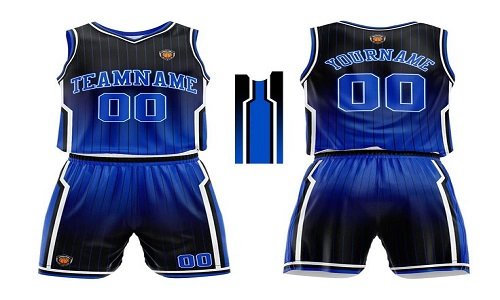
Basketball uniforms need to do much more than look good on the court. Players run, jump, defend, shoot, and change direction constantly. Therefore, uniforms must support movement while staying comfortable throughout practices and games. The right fabric, fit, construction, and branding can all influence how professional a team looks and how comfortable players feel.
Custom basketball apparel also helps teams create a clear visual identity. Jerseys, shorts, warm-up clothing, training tops, and travel wear can all use the same colors, logos, and design language. As a result, the entire organization can look more consistent instead of relying on unrelated ready-made products.
For teams, schools, clubs, and sportswear brands serving customers across the United States, custom production also provides greater control over sizing, fabric weight, color combinations, player numbers, labels, and garment construction.
However, successful production requires planning. Fabric selection, sizing, decoration methods, samples, and quality control should all be considered before bulk manufacturing begins.
Key Takeaways
- Basketball uniforms need lightweight, breathable, and flexible materials that support fast movement.
- Custom production gives teams greater control over fit, colors, numbers, logos, labels, and garment construction.
- Sampling before bulk manufacturing can help identify problems with sizing, fabric, graphics, and overall comfort.
Why Custom Basketball Uniform Production Matters
Choosing custom basketball uniforms gives teams more control over the way jerseys and shorts are designed, fitted, and branded. Instead of choosing a stock uniform and adding a logo afterward, custom production can define fabric type, measurements, colors, neck styles, panel shapes, numbers, trims, and other details from the beginning.
This flexibility becomes especially important when teams want a unique identity. For example, a school may need home and away jerseys that use the same visual system. Meanwhile, a sportswear brand may want basketball uniforms, warm-up jackets, shorts, and training tops to follow one consistent design direction.
Therefore, custom manufacturing can help connect performance needs with branding requirements.
Start With How Basketball Players Move
Basketball involves constant movement.
Players sprint from one end of the court to the other. They also jump, bend, twist, reach, and change direction quickly.
Therefore, the uniform should support these movements without creating unnecessary restriction.
Shoulder Movement
Basketball players raise their arms frequently when shooting, rebounding, or defending.
Therefore, jersey arm openings and shoulder construction should allow a wide range of movement.
If the armhole is too tight, the jersey may pull during play. However, if it is too loose, excess fabric may become uncomfortable.
Leg Movement
Shorts also need enough room for running, jumping, and defensive movement.
Therefore, the pattern should provide flexibility around the hips and thighs.
The waistband should also remain secure without becoming restrictive.
Fabric Selection Is One of the Most Important Decisions
Basketball uniforms are usually worn during high-intensity activity. Consequently, fabric should feel light, breathable, and comfortable.
Different fabrics can create very different performance results.
| Fabric Feature | Why It Matters |
| Lightweight construction | Reduces unnecessary bulk |
| Breathability | Helps release body heat |
| Moisture management | Supports comfort during games |
| Stretch | Helps players move freely |
| Durability | Supports frequent wear and washing |
| Smooth surface | Supports printing and sublimation |
Therefore, material selection should be based on performance needs rather than appearance alone.
Polyester Performance Fabrics
Polyester is commonly used for basketball uniforms because it can be lightweight and suitable for performance applications.
It can also work well with sublimation printing.
However, different polyester fabrics can vary greatly in feel, weight, stretch, and breathability.
Therefore, buyers should review actual fabric specifications.
Mesh Fabrics
Mesh panels can increase airflow.
They may be used across the full garment or placed in selected areas.
However, the mesh structure should remain strong enough for repeated wear.
Stretch Fabrics
Some uniforms include elastane or other stretch fibers.
These materials can improve mobility and recovery.
However, stretch percentage should match the intended fit.
Understanding Fabric Weight
Fabric weight is often measured in GSM, which means grams per square meter.
Lower GSM fabrics generally feel lighter. Meanwhile, higher GSM fabrics usually feel heavier and more structured.
For basketball uniforms, lighter fabrics are often preferred because they can reduce bulk during fast movement.
However, extremely lightweight fabric may not provide enough durability.
Therefore, a balance between comfort and strength is important.
Game Jerseys
Game jerseys often benefit from lightweight performance fabric.
The material should also provide enough structure for numbers and team graphics.
Basketball Shorts
Shorts may use a similar lightweight material, although some designs use slightly heavier fabric for added structure.
Warm-Up Clothing
Warm-up jackets and tracksuits generally require heavier material than game uniforms.
Therefore, one fabric specification should not automatically be used across the entire collection.
Fit Can Influence Player Comfort
Basketball uniforms should allow freedom of movement without excessive loose fabric.
Therefore, pattern development should consider actual playing conditions.
Regular Athletic Fit
An athletic fit provides room for movement while keeping the garment relatively close to the body.
This approach works well for many team uniforms.
Relaxed Fit
Some teams prefer a looser basketball style.
However, the jersey and shorts should still remain controlled during running and jumping.
Youth Sizing
Youth uniforms need appropriate proportions.
Simply shrinking an adult pattern may create problems with jersey length, shoulders, shorts, or waist measurements.
Therefore, youth sizing should be graded carefully.
Jersey Necklines Affect Style and Fit
Basketball jerseys can use several neckline designs.
Each creates a different visual appearance.
V-Neck Jerseys
V-neck styles provide a traditional athletic appearance.
The depth and width should remain comfortable during movement.
Round Neck Jerseys
Round necklines can create a clean and simple look.
They may also provide more space for certain graphics.
Custom Neck Designs
Some brands use contrasting trims, layered necklines, or shaped collar details.
However, decorative features should not create unnecessary bulk.
Therefore, performance should remain the priority.
Basketball Shorts Need Proper Construction
Shorts are just as important as jerseys.
Players need unrestricted leg movement, while the waistband should remain secure throughout the game.
Waistband Design
Elastic waistbands are common.
Many designs also include drawcords for added adjustment.
The waistband should provide enough support without feeling too tight.
Short Length
Basketball short length varies depending on team preference and current style.
However, the chosen length should not restrict movement.
Side Panels
Side panels can add team colors, graphics, or contrast.
They can also become part of the garment construction.
Therefore, panel placement should be reviewed before production.
Sublimation Can Support Detailed Basketball Designs
Basketball uniforms often feature bold colors and detailed graphics.
Therefore, sublimation printing can be a useful production method for compatible polyester fabrics.
The design becomes part of the fabric rather than sitting as a thick layer on top.
This allows teams to create:
- Player numbers
- Names
- Logos
- Gradients
- Patterns
- Sponsor graphics
- Multi-color designs
Because the graphics are incorporated into the fabric, large designs can remain lightweight.
However, the final result still depends on fabric type, artwork quality, and production settings.
Screen Printing Can Work for Simpler Designs
Screen printing can also work for basketball apparel.
It may be suitable for bold logos, text, or simple graphics.
However, print thickness should be considered.
A heavy ink layer on lightweight performance fabric may change how the garment feels.
Therefore, the print method should match both the design and fabric.
Heat Transfer Works Well for Names and Numbers
Heat transfer can provide sharp numbers and player names.
It can also work well for smaller production quantities.
However, the transfer material needs to suit the performance fabric.
The correct temperature and pressure should also be used during application.
Otherwise, the transfer may affect the garment or become less durable.
Team Colors Should Remain Consistent
Color consistency plays an important role in team identity.
Home jerseys, away jerseys, shorts, warm-ups, and training clothing should look connected.
Therefore, clear color references should be supplied before production.
Pantone references can help communicate intended colors.
However, the same color may appear slightly different on different fabrics.
Therefore, physical samples can provide a more reliable view of the final appearance.
Player Numbers Need Careful Placement
Numbers are a major part of basketball uniform design.
They should remain easy to read while fitting naturally into the jersey layout.
Front Numbers
Front numbers are usually smaller than back numbers.
They should not compete with the team logo or wordmark.
Back Numbers
Back numbers need enough size and contrast for visibility.
Player names may also appear above the number.
Short Numbers
Some teams also place player numbers on the shorts.
If used, these should match the overall visual system.
Sampling Can Prevent Expensive Mistakes
A sample allows buyers to review the actual garment before bulk production begins.
Digital mockups are helpful, but they cannot fully show fabric feel, fit, movement, or actual color.
Therefore, samples should be tested carefully.
Important areas to review include:
- Jersey length
- Shoulder movement
- Armhole size
- Short length
- Waist fit
- Fabric feel
- Print quality
- Number size
- Logo placement
- Stitching
Any required changes can then be made before larger quantities are produced.
Size Charts Should Use Actual Measurements
Size labels alone are not enough for custom sportswear production.
A medium from one company may fit differently from a medium produced by another manufacturer.
Therefore, measurement charts should define each size clearly.
Typical jersey measurements may include:
- Chest width
- Body length
- Shoulder width
- Armhole size
Short measurements may include:
- Waist
- Hip
- Outseam
- Leg opening
These measurements help create more consistent sizing.
Quality Control Should Begin Before Final Packing
Quality control should continue throughout manufacturing.
Waiting until every garment is finished can make corrections more difficult.
Fabric Inspection
Fabric should be checked before cutting.
Visible defects or color variations can then be identified early.
Measurement Checks
Finished garments should match the approved specifications.
Printing Checks
Numbers, names, logos, and graphics should appear in the correct positions.
Stitching Inspection
Seams should remain secure and consistent.
Final Review
Each garment should receive a final visual check before packing.
This process helps reduce inconsistent products.
Private-Label Production Can Support Sportswear Brands
Custom basketball uniforms are not only for teams.
Sportswear brands may also sell team uniforms under their own labels.
Therefore, private-label details can become part of production.
Working with a private label sportswear manufacturer can allow brands to coordinate garment construction with custom labels, sizing, packaging, and brand presentation while developing a more complete product line.
This can help the finished apparel feel like an original branded product rather than a generic uniform.
Neck Labels and Care Labels Add Professional Detail
Small details can influence how customers view a product.
Brand Labels
Custom neck labels can display the brand name and size.
Care Labels
Care labels can provide washing instructions and fabric information.
Size Labels
Clear sizing makes team distribution easier.
Hangtags
Hangtags can display product information, pricing, or branding.
These details should be planned before production rather than treated as an afterthought.
Low MOQ Production Can Benefit Smaller Teams and Startups
Not every buyer needs hundreds of basketball uniforms.
Smaller clubs, schools, new sportswear labels, and startup brands may prefer smaller production quantities.
Therefore, low minimum order quantities can provide useful flexibility.
A smaller run allows buyers to test:
- Sizing
- Customer demand
- New designs
- Color combinations
- Fabric choices
- Price points
If the product performs well, future orders can increase in size.
However, low quantity should not mean lower planning standards.
Specifications and quality control remain important.
Building a Complete Basketball Teamwear Collection
A basketball collection can extend beyond the game uniform.
Game Apparel
The core collection normally includes jerseys and shorts.
Training Clothing
Training tops, practice shorts, compression wear, and T-shirts can support everyday sessions.
Warm-Up Apparel
Tracksuits, jackets, and hoodies can help players look coordinated before games.
Travel Apparel
Polo shirts, joggers, and casual branded clothing can support team travel.
When these garments share a common design system, the organization can create a stronger identity.
Clear Communication Improves Production
Manufacturers need specific information to reproduce a design accurately.
Therefore, buyers should avoid relying on vague terms such as “high quality” or “professional fit.”
A useful production specification may include fabric composition, GSM, measurements, artwork, Pantone colors, logo dimensions, quantity, size breakdown, labels, and packaging.
Clear information reduces uncertainty.
As a result, sampling and production can move more smoothly.
Final Thoughts
Basketball uniform manufacturing combines performance, design, sizing, branding, and garment construction.
Therefore, teams and sportswear brands should consider much more than jersey colors.
Fabric needs to support movement and airflow. Patterns should allow players to run and jump comfortably. Shorts need secure waist construction, while jerseys should provide enough freedom around the shoulders.
At the same time, numbers, logos, colors, labels, and other branding details should remain consistent throughout the collection.
Sampling before bulk manufacturing can help identify problems early, while clear specifications can make communication easier.
When each stage receives proper attention, custom basketball apparel can provide teams with comfortable performance garments and a strong, professional identity both on and off the court. Pasted markdown