
Losing a tooth can create more questions than just how to replace it. Many patients want to know how the missing tooth will affect their smile, daily comfort, confidence, and future oral health.
Among the available tooth replacement options, dental implants are often discussed because they are designed to replace both the visible tooth and the root structure beneath it. However, the higher initial investment compared with some alternatives leads many patients to ask an important question: Are dental implants worth it?
The answer depends on several factors, including your oral health, long-term goals, budget, and expectations. While dental implants may require a larger upfront commitment, many patients consider them valuable because of their stability, natural appearance, and ability to support everyday activities like eating and speaking.
For patients exploring tooth replacement options in Cypress, TX, understanding the difference between immediate cost and long-term value can help make the decision clearer.
Understanding What Makes Dental Implants Different
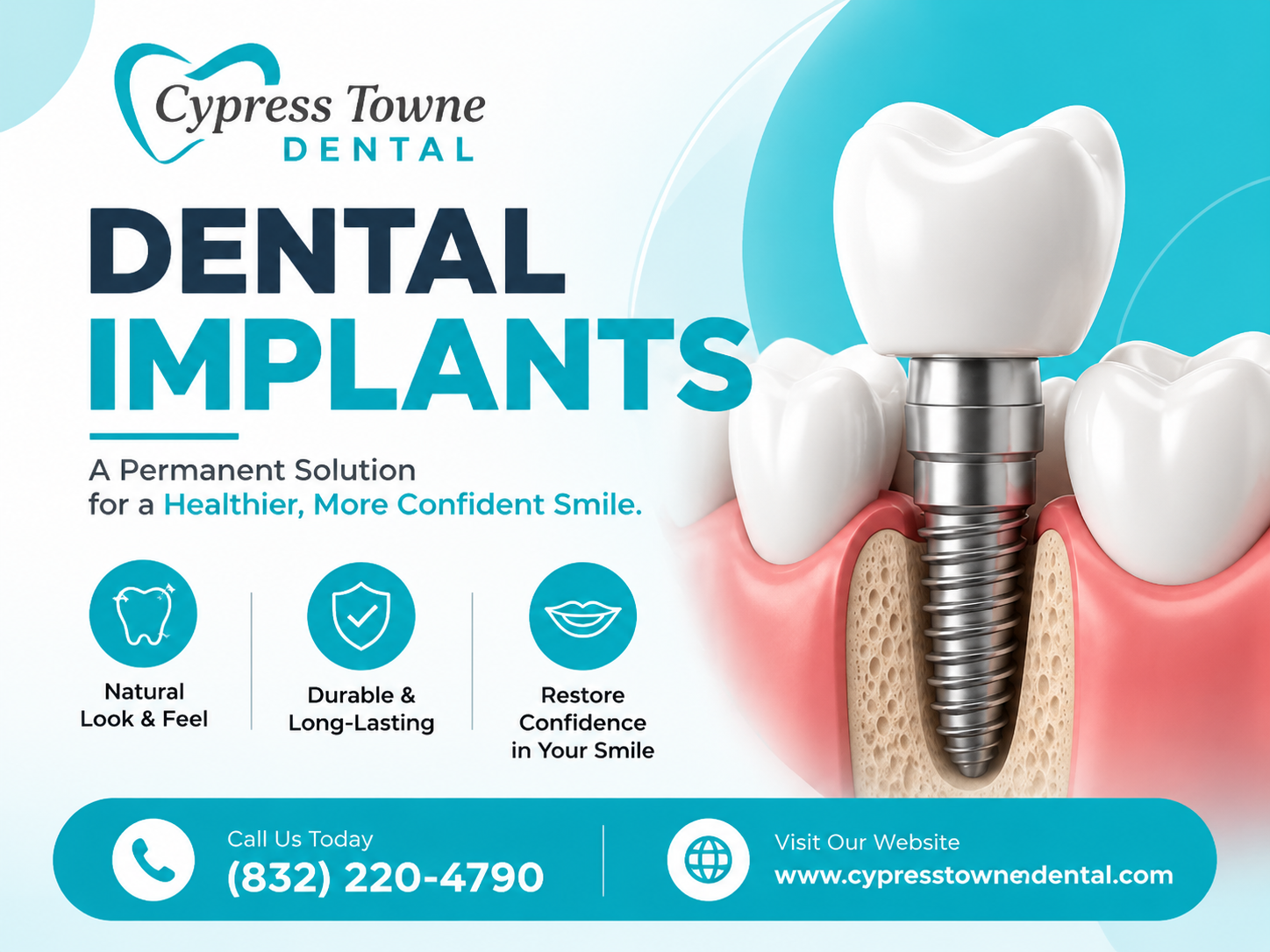
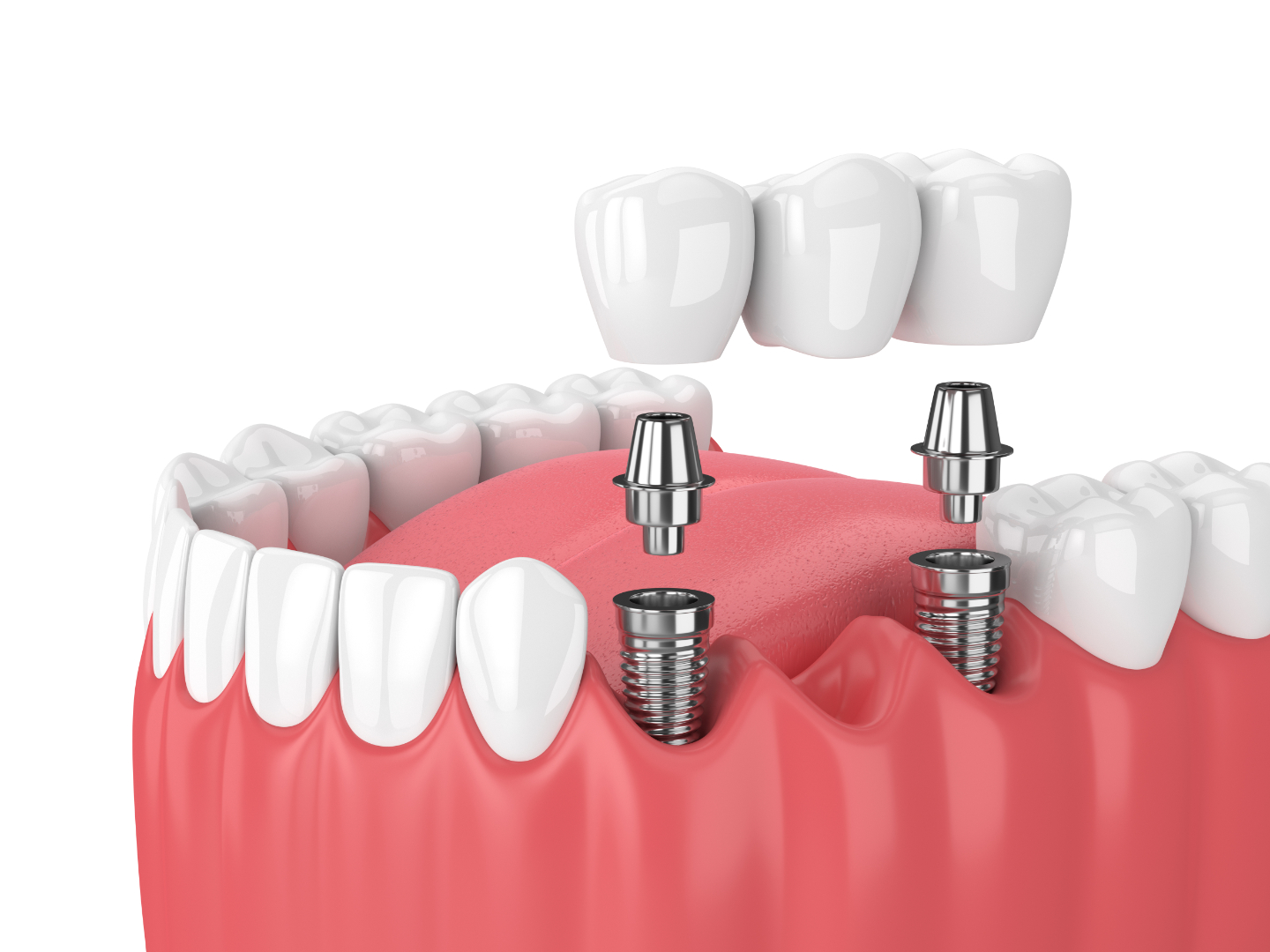
A dental implant is designed to replace a missing tooth by using a small implant post that is placed into the jawbone. This post acts as an artificial tooth root and supports a dental crown, bridge, or other restoration.
Unlike some removable options, implants are designed to become a stable part of your oral structure.
A complete dental implant usually includes:
- Implant post
- Connector piece called an abutment
- Custom dental crown or restoration
The process focuses on creating a replacement that functions similarly to a natural tooth.
Why Patients Consider Dental Implants
The decision to choose implants is usually based on more than appearance. Many patients consider how the replacement option will fit into their daily life.
Dental implants may offer advantages such as:
- Improved chewing ability
- A stable tooth replacement solution
- Natural-looking appearance
- Support for jawbone health
- No need to remove the restoration daily
However, implants are not automatically the right choice for everyone. A dentist evaluates factors such as bone support, gum health, medical history, and overall oral condition before recommending treatment.
The Real Cost of Dental Implants: Looking Beyond the Initial Price
One reason patients hesitate about implants is the upfront cost. Compared with some removable tooth replacement options, implants often require a larger initial investment.
However, focusing only on the starting price does not always show the complete picture.
The total cost may depend on:
- Number of implants needed
- Type of restoration used
- Need for additional procedures
- Materials selected
- Complexity of placement
For example, replacing one missing tooth may involve a different treatment plan than restoring multiple missing teeth.
A dental consultation helps determine what procedures are required for your specific situation.
What Additional Procedures May Affect Implant Cost?
Some patients have enough healthy bone structure for implant placement right away. Others may need preparation before the implant procedure.
Additional treatments may include:
Bone Grafting
When a tooth has been missing for a long time, the jawbone may not have enough volume to support an implant. In some cases, bone grafting may be recommended.
Gum Treatment
Healthy gums are important for successful tooth replacement. Patients with gum concerns may need treatment before implant placement.
Tooth Extraction
If a damaged tooth needs to be removed before implant placement, extraction may become part of the overall treatment plan.
These factors can influence both the timeline and total investment.
Comparing Dental Implants With Other Tooth Replacement Options
When deciding if implants are worth it, many patients compare them with other options.
Dental Implants vs. Dentures
Dentures are removable appliances designed to replace missing teeth.
They can be a suitable option for many patients, especially when replacing several missing teeth. However, some patients experience challenges related to movement, adjustment, or cleaning routines.
Dental implants, on the other hand, are fixed in place and designed to provide additional stability.
The better option depends on:
- Number of missing teeth
- Oral health condition
- Personal preference
- Budget considerations
Dental Implants vs. Dental Bridges
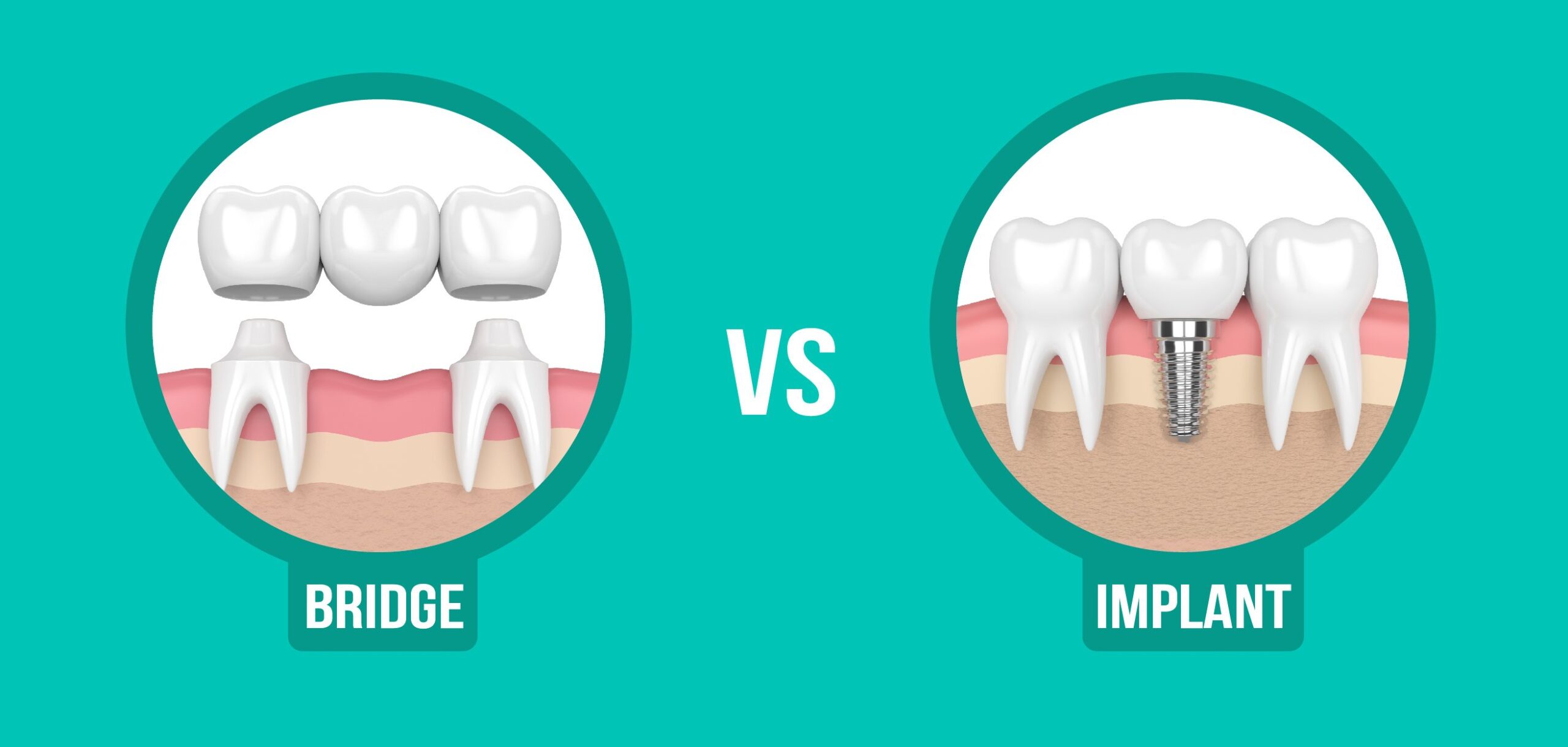
A dental bridge replaces a missing tooth by using neighboring teeth as support.
Bridges can provide effective restoration, but traditional bridges may require preparation of surrounding teeth.
Dental implants replace the missing tooth without relying on adjacent teeth for support.
A dentist can explain which option fits your specific dental situation.
The Long-Term Benefits of Choosing Dental Implants
Many patients consider implants because they are looking for a solution that supports long-term function.
Improved Everyday Comfort
A stable tooth replacement can make daily activities feel more natural.
Patients often appreciate being able to:
- Chew more comfortably
- Speak with confidence
- Smile without worrying about movement
Because implants are secured within the jaw, they can feel more similar to natural teeth compared with removable alternatives.
Support for Jawbone Health
When a tooth is lost, the jawbone in that area may gradually change because it no longer receives stimulation from the tooth root.
Dental implants provide stimulation through the implant post, which may help maintain the structure of the jaw.
Bone health is one reason implants are often considered a different approach compared with other replacement options.
Natural Appearance
Modern dental restorations are designed to closely match natural teeth.
A custom crown can be created to match factors such as:
- Tooth color
- Shape
- Size
- Smile appearance
For many patients, the cosmetic improvement is an important part of their decision.
Maintenance Requirements After Dental Implant Placement
Dental implants require care, just like natural teeth.
Maintaining implants includes:
- Regular brushing
- Cleaning between teeth
- Routine dental visits
- Monitoring gum health
Although implants cannot develop cavities like natural teeth, the surrounding gums and tissues still require attention.
Good oral hygiene plays an important role in protecting your investment.
Are Dental Implants Worth the Investment for Everyone?
Dental implants can provide significant benefits, but they are not the right choice for every patient.
A dentist considers several factors before recommending implants.
Important considerations include:
Oral Health Condition
Healthy gums and adequate bone support are important factors in implant planning.
Treatment Timeline
Implants usually require multiple steps, including healing time after placement.
Patients should understand that the process may take longer than some removable options.
Personal Goals
Some patients prioritize convenience, stability, and long-term function. Others may prefer alternatives based on their specific needs.
The best decision depends on what matters most to the individual patient.
How to Know If Dental Implants Are Right for You
A consultation is the best way to understand whether implants are appropriate.
During an evaluation, a dentist may review:
- Missing tooth location
- Bone structure
- Gum condition
- Medical history
- Desired outcome
This allows the treatment plan to be personalized rather than based on a general recommendation.
Choosing Dental Implant Care in Cypress
Selecting the right dental provider is an important part of the implant journey. Patients should look for a practice that explains the process clearly and helps them understand every stage of treatment.
A good implant consultation should include:
- Discussion of available options
- Explanation of expected steps
- Review of maintenance needs
- Clear communication about costs
For patients researching dental implants in Cypress, TX, having a provider who focuses on patient education can make the decision process more comfortable.
At Cypress Towne Dental, patients can discuss tooth replacement options and learn how different treatments may fit their individual oral health needs.
Questions to Ask Before Choosing Dental Implants
Before starting treatment, consider asking:
How Long Will the Process Take?
Understanding the timeline helps patients plan around appointments and healing periods.
What Results Can I Expect?
Your dentist can explain realistic outcomes based on your specific situation.
Are There Alternative Options?
A good treatment discussion should include available alternatives so you can compare choices.
Final Thoughts
So, are dental implants worth it? For many patients, the answer depends on their priorities, oral health, and long-term goals.
Although implants may require a higher initial investment, many people value their stability, natural appearance, and ability to support everyday function.
Choosing a tooth replacement option is a personal decision that should be based on professional evaluation and a clear understanding of the benefits and considerations.
For patients considering dental implants in Cypress, discussing your options with a dental professional can help you determine whether implants align with your smile goals and long-term needs.
Frequently Asked Questions
How long do dental implants usually last?
With proper care and regular dental visits, dental implants can provide long-term tooth replacement. Their lifespan depends on oral hygiene, overall health, and how well the implant is maintained.
Are dental implants better than dentures?
Dental implants and dentures serve different needs. Implants provide a fixed solution, while dentures offer a removable option. The right choice depends on oral health, goals, and personal preferences.
Is everyone a candidate for dental implants?
Not everyone is immediately ready for implants. Bone support, gum health, medical history, and other factors are evaluated before determining whether implant treatment is appropriate.