
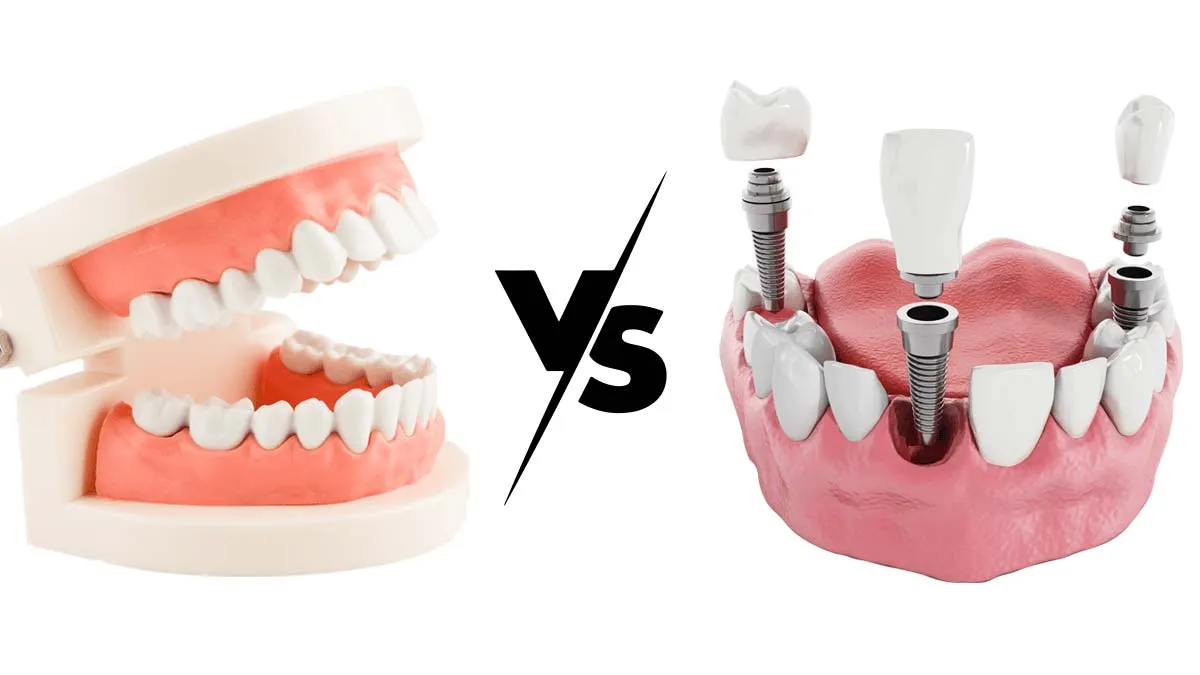
Losing one or more teeth can affect more than just appearance. Missing teeth may influence chewing ability, speech, confidence, and the overall function of your mouth. Fortunately, modern dentistry offers several replacement options, with dental implants and dentures being two commonly discussed solutions.
Many patients wonder which option is better, but the answer depends on individual needs rather than a single treatment being right for everyone. Factors such as the number of missing teeth, jawbone health, lifestyle preferences, budget, and long-term goals all play a role in choosing the appropriate solution.
Understanding the differences between dental implants vs dentures can help you prepare for a conversation with your dentist and better understand what each option involves. Patients in Cudahy and nearby communities can benefit from learning how these treatments compare before making a decision about tooth replacement.
Understanding How Dental Implants And Dentures Work
Dental implants and dentures both aim to replace missing teeth, but they approach tooth replacement differently.
Dental implants replace missing teeth by using a small implant post that acts as an artificial tooth root. After the implant integrates with the jawbone, a custom restoration such as a crown, bridge, or implant-supported denture can be attached.
Dentures, on the other hand, are removable appliances designed to replace missing teeth. They rest on the gums and can replace several teeth or an entire arch depending on the patient’s needs.
The right choice depends on how each option fits your oral health, expectations, and daily routine.
Dental Implants: A Fixed Tooth Replacement Approach
Dental implants are designed to provide a stable foundation for replacement teeth. Because the implant is placed into the jawbone, it functions differently from removable options.
The implant process generally involves:
- Evaluation of oral health and bone support
- Placement of the implant post
- Healing period for integration
- Attachment of the final restoration
This approach focuses on replacing both the visible tooth and the supporting structure beneath it.
Benefits Of Dental Implants
Dental implants offer several characteristics that make them appealing to many patients.
Stability During Eating And Speaking
Because implants are anchored in the jaw, they typically provide a stable feeling compared with removable appliances. Many patients appreciate not having to worry about movement while eating or speaking.
Natural Appearance
Implant-supported restorations are designed to match surrounding teeth in shape, color, and appearance. The goal is to create a replacement that blends naturally with the smile.
Support For Jawbone Health
When natural teeth are lost, the jawbone may gradually change because it no longer receives the same stimulation from tooth roots. Implants provide support within the bone that can help maintain the area.
Long-Term Maintenance
Dental implants are cared for similarly to natural teeth with regular brushing, flossing, and professional dental visits.
However, not every patient is automatically a candidate for implants. A dentist must evaluate bone health, oral condition, and overall treatment needs.
Dentures: A Removable Solution For Missing Teeth
Dentures have been used for many years as a way to replace missing teeth. They can be designed for patients missing several teeth or those who have lost all teeth in an upper or lower arch.
Different types of dentures include:
- Full dentures
- Partial dentures
- Implant-supported dentures
Traditional dentures rest on the gums and are removed for cleaning. They are customized to fit the patient’s mouth and restore basic chewing and appearance.
Benefits Of Dentures
Dentures remain a practical option for many patients because they can provide tooth replacement without requiring implant surgery.
Suitable For Various Levels Of Tooth Loss
Dentures can replace multiple missing teeth at the same time, making them an option for patients with extensive tooth loss.
No Implant Placement Required
Traditional dentures do not require surgical implant placement, which may be an important consideration for some patients.
Adjustable Treatment Options
Dentures can be designed based on the number of missing teeth and the condition of the remaining oral structures.
However, patients should understand that dentures require regular care, adjustments, and adaptation as the mouth changes over time.
Comparing Dental Implants And Dentures
The decision between implants and dentures often comes down to differences in stability, maintenance, comfort, and treatment requirements.
| Consideration | Dental Implants | Dentures |
| Stability | Fixed and secured within the jaw | Removable and supported by gums |
| Maintenance | Similar to natural teeth | Requires removal and cleaning |
| Procedure | Requires implant placement | Does not require implant surgery |
| Bone Support | May help maintain stimulation in the jaw | Does not replace tooth roots |
| Treatment Timeline | Usually involves healing time | May have a shorter initial process |
This comparison does not mean one option is always better. The appropriate choice depends on each patient’s situation.
Comfort And Daily Function Differences
One of the biggest concerns patients have is how their replacement teeth will feel during everyday activities.
Eating With Dental Implants
Because implants are secured in place, many patients find they provide a stable chewing experience. They do not rely on adhesives or suction for support.
Eating With Dentures
Dentures can restore chewing ability, but some patients need time to adjust. Certain foods may require more caution, especially during the initial adjustment period.
The comfort level of dentures depends on fit, design, and how well the mouth adapts.
Patients considering tooth replacement in Cudahy, WI, should discuss their daily habits and expectations with a dental professional before choosing an option.
Maintenance Requirements: Implants Compared With Dentures
Both implants and dentures require proper care, but the maintenance routine is different.
Caring For Dental Implants
Implants require:
- Regular brushing
- Cleaning between teeth
- Routine dental visits
- Monitoring gum health
Although the implant itself cannot develop cavities, the surrounding gums and tissues still require attention.
Caring For Dentures
Dentures require:
- Daily cleaning
- Proper storage when removed
- Regular fit evaluations
- Professional adjustments when needed
Over time, changes in the gums and jaw may affect how dentures fit, making follow-up care important.
Cost Considerations When Choosing Between Implants And Dentures
Cost is often an important factor when patients compare replacement options.
Dental implants usually involve a higher initial investment because treatment includes surgical placement, healing time, and customized restorations.
Dentures often have a lower initial cost, but they may require future adjustments, replacements, or maintenance over time.
The total value of each option depends on:
- Treatment goals
- Number of missing teeth
- Oral health condition
- Longevity expectations
- Maintenance needs
A dentist can help explain the costs associated with each option based on your individual treatment plan.
Who May Be A Candidate For Dental Implants?
Dental implant candidacy depends on several factors.
A dentist may evaluate:
Jawbone Support
Adequate bone structure is important because the implant needs a stable foundation.
Gum Health
Healthy gums support successful treatment planning.
Overall Oral Condition
Existing infections, untreated dental problems, or other concerns may need attention before implant placement.
Some patients who initially lack sufficient bone support may have additional treatment options available.
Who May Benefit From Dentures?
Dentures may be considered for patients who:
- Need replacement for multiple missing teeth
- Want a removable solution
- Prefer a non-implant option
- Have specific health or treatment considerations
A dentist can discuss whether traditional dentures, partial dentures, or implant-supported options may fit your needs.
Questions To Ask Before Choosing A Tooth Replacement Option
Before making a decision, patients should ask questions that focus on their specific situation.
Helpful questions include:
- Which option fits my oral health condition?
- Do I have enough bone support for implants?
- What maintenance will be required?
- How long will treatment take?
- What costs should I expect?
- What will daily care look like?
Having a detailed discussion helps patients choose based on information rather than assumptions.
At South Shore Dentistry & Implants, patients can discuss different tooth replacement options and receive guidance based on their individual oral health needs and goals.
Why Professional Evaluation Matters
Online comparisons can help explain general differences, but they cannot determine which option is right for a specific patient.
A dentist considers factors such as:
- Number of missing teeth
- Bone condition
- Gum health
- Bite patterns
- Lifestyle preferences
- Treatment expectations
Two patients with similar tooth loss may receive different recommendations because their oral conditions are different.
Making The Right Choice For Your Smile
Choosing between dental implants and dentures is a personal decision that involves more than comparing features. Both options can help restore missing teeth, but they provide different experiences and require different levels of care.
Dental implants may appeal to patients looking for a fixed solution with stability, while dentures may be suitable for those seeking a removable option based on their needs.
For patients in Cudahy, understanding the differences between these treatments can make dental conversations more productive and help them explore the most appropriate options with a professional.
Final Thoughts
Dental implants and dentures both provide solutions for missing teeth, but the right choice depends on your oral health, goals, lifestyle, and treatment preferences.
A thorough dental evaluation is the best way to understand which option aligns with your needs. Factors such as bone support, comfort expectations, maintenance, and budget all contribute to the final decision.
Whether you are replacing one tooth or several missing teeth, discussing your options with a dental professional can help you move forward with confidence.
Frequently Asked Questions
Are dental implants better than dentures?
Dental implants and dentures serve different needs. Implants provide fixed support, while dentures offer a removable solution. The best option depends on oral health, treatment goals, budget, and professional evaluation.
Can I switch from dentures to dental implants later?
Some patients may transition from dentures to implant-supported solutions depending on bone health and overall oral condition. A dentist can evaluate whether implants are a suitable future option.
How long do dental implants and dentures last?
Dental implant and denture longevity varies based on care, oral health, materials, and maintenance. Regular dental visits and proper hygiene can help extend the lifespan of both replacement options.