
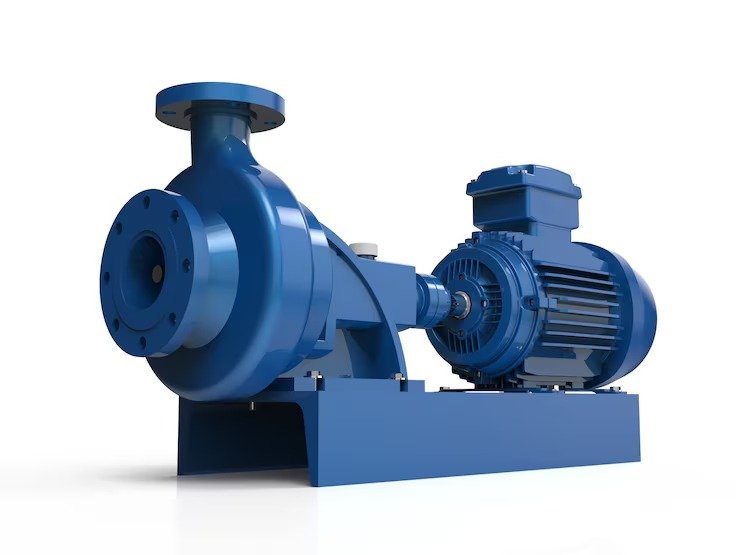
Water Pump Installation therefore involves more than connecting a motor to a pipe. The water source, required flow, lifting height, pipe layout, pump type, electrical supply, valves, and protection system all need to work together. This guide explains the main considerations for installing a water pump in Pakistan, from choosing the right location and pipe arrangement to testing the finished system safely.
Understand the Water Supply Before Installation
The first step is to understand where the pump will take water from and where the water needs to go. Common residential arrangements include pumping water from an underground storage tank to an overhead tank, drawing water from a well, or boosting pressure within an existing plumbing system.
The difference in elevation between the water level and the delivery point is important. A pump must generate enough pressure to overcome the vertical lift as well as resistance caused by pipes, bends, valves, filters, and other fittings.
For example, a pump moving water from a ground-level tank to a roof tank has to overcome the height of the building. If the delivery pipe is long or contains many restrictive fittings, additional pressure is required.
Before selecting or installing a pump, identify:
- The water source and its normal water level
- The destination of the water
- The approximate vertical height between them
- The distance of the pipe run
- The number and size of outlets that may operate at the same time
- Whether the pump will draw water through suction or receive water under positive pressure
- Whether the system needs an automatic pressure-control arrangement
This basic assessment helps prevent a common mistake: selecting a pump based only on motor power.
Choose the Pump According to the Job
Not every water pump is designed for the same application. A small domestic booster pump, a centrifugal transfer pump, and a pump designed for a deep-water application may have very different operating characteristics.
Two specifications are especially important: flow and head.
Flow describes how much water the pump can deliver over a given period. It should match the practical demand of the building or the filling requirement of the receiving tank.
Head represents the pressure-generating capability of the pump, normally expressed as a height of water. The pump needs sufficient head to overcome elevation and system resistance while still providing useful flow at the outlet.
A larger motor is not automatically a better solution. If the pump is poorly matched to the pipework or water demand, the additional capacity may increase energy consumption without solving the underlying problem.
The manufacturer’s pump curve and installation manual should be checked before installation. Manufacturer documentation can also specify maximum suction conditions, pipe sizes, connection requirements, priming procedures, and operating limits.
Select a Suitable Installation Location
The pump should be installed on a firm, stable surface where it can be inspected and serviced. The location should also protect the electrical components from unnecessary exposure to water.
A pump should not be squeezed into an inaccessible corner simply because that is where a pipe happens to be available. Maintenance becomes difficult when isolation valves, electrical connections, or the pump itself cannot be reached.
Where practical, allow sufficient clearance around the equipment for inspection and servicing. Manufacturer instructions may specify particular clearance requirements. Some pump manufacturers also recommend vibration-damping arrangements to reduce noise and vibration.
The location should ideally provide:
- A stable mounting surface
- Protection from flooding and standing water
- Reasonable ventilation where required by the pump design
- Access to valves and electrical isolation
- Protection from accidental physical damage
- Adequate space for future maintenance
If the pump is installed outdoors, weather protection should be considered without obstructing the ventilation requirements of the equipment.
Plan the Suction Pipe Carefully
The suction side is one of the most important parts of a pump installation. Problems on the suction side can cause poor performance even when the pump itself is functioning correctly.
Where a pump draws water from a well or tank below the pump, the suction pipe should be designed to minimize air entry and unnecessary resistance. Depending on the system, a foot valve or other suitable non-return arrangement may be required to help maintain the prime.
Manufacturer guidance commonly emphasizes keeping suction pipework short and avoiding unnecessary bends. Grundfos installation documentation, for example, recommends appropriate suction arrangements and the use of a foot valve in certain well applications.
The suction pipe should also be appropriately sized. Making it unnecessarily small can increase pressure losses and restrict the pump’s ability to draw water.
A poorly sealed suction connection can be particularly troublesome. Air entering the suction line may prevent the pump from maintaining proper flow, resulting in noise, loss of prime, or intermittent operation.
Install the Discharge Pipe Without Unnecessary Restrictions
The discharge pipe carries water from the pump toward the tank or plumbing system. It needs to be properly supported so that the weight and movement of the pipe do not place excessive mechanical stress on the pump connections.
Avoid installing unnecessary sharp bends and restrictive fittings immediately beside the pump. Where practical, use an appropriate pipe arrangement that allows water to move efficiently while keeping the installation accessible.
Depending on the system, useful components can include:
- Isolation valves
- Check or non-return valves
- Pressure gauges
- Filters or strainers
- Drain points
- Flexible connections where appropriate
- Pressure-control equipment
The exact arrangement depends on the pump and application. Manufacturer documentation should take precedence over a generic installation diagram.
Grundfos guidance also recommends supporting pipework independently near the pump and avoiding installation practices that transfer pipe stress to the pump.
Consider the Tank and Water Storage Arrangement
In many Pakistani homes, the pump is part of a larger storage system rather than a standalone appliance. A typical arrangement may include an underground water storage tank, pump, and overhead tank.
The pump should not be selected without considering the storage system. If the source tank can run dry, the pump may lose its water supply. A suitable control or protection arrangement may therefore be needed to prevent operation under damaging conditions.
The receiving tank also needs to be considered. If the pump is intended to fill an overhead tank automatically, the installation may require a float-operated mechanism, level-control system, or another suitable method of controlling when the pump starts and stops.
The exact control method should be compatible with the pump and electrical system.
Electrical Safety Is Not an Afterthought
Water and electricity create a serious safety risk, so electrical installation should not be treated as a simple final connection.
Pakistan’s National Electric Power Regulatory Authority (NEPRA) advises the public to have electrical work carried out by a qualified or licensed electrician, to use proper wiring and conduit, and to maintain suitable earthing systems. NEPRA also advises against using electrical equipment that is wet or submerged and recommends keeping electrical installations away from water.
For a pump installation, the electrical arrangement should be appropriate for the pump’s rated voltage, current, starting characteristics, and protection requirements. Proper isolation and protective devices should be provided as required by the installation.
Important precautions include:
- Do not work on the pump while the electrical supply is energized.
- Keep switches, sockets, and electrical connections away from water.
- Use proper earthing.
- Do not substitute loose wires for a proper plug or connection.
- Use appropriately sized wiring and protective devices.
- Have electrical connections inspected by a qualified professional.
- Do not operate electrical equipment if water has entered components that are not designed for it.
The correct electrical protection depends on the specific pump and installation. A generic circuit arrangement should not be treated as a substitute for an electrician’s assessment.
Priming the Pump Before Operation
Some pumps require priming before they can operate correctly. Priming means filling the relevant pump and suction arrangement with water so that the pump does not attempt to operate with air where water is required.
The correct priming procedure varies by pump design. The manufacturer’s instructions should therefore be followed rather than assuming every pump can be started in the same way.
Starting a pump without the required water supply can lead to poor performance or equipment damage, depending on the pump design.
Before starting, check that:
- The suction connection is properly sealed.
- The required valves are in the correct position.
- The pump has been primed if required.
- The receiving system is ready to accept water.
- The electrical supply is isolated while final physical checks are being made.
- The pump is securely mounted.
- There are no obvious leaks.
Once the installation is ready, energize the pump according to the manufacturer’s operating procedure and observe the system rather than immediately leaving it unattended.
Test the System After Installation
A successful Water Pump Installation should be tested under realistic operating conditions.
First check whether water reaches the intended destination. Then observe the pump and pipework for leaks, unusual vibration, abnormal noise, overheating, or repeated starting and stopping.
If the pump supplies a building’s plumbing system, test the outlets that users normally depend on. If it fills an overhead tank, check that the tank fills correctly and that the pump stops through the intended control mechanism.
Pay attention to symptoms rather than simply asking whether the pump is running.
For example:
The pump runs but little water arrives:
Possible causes include insufficient pump head, restricted pipework, air entering the suction line, a blocked filter, incorrect valve positioning, or an inadequate water supply.
The pump repeatedly loses prime:
Investigate the suction arrangement, foot valve or non-return valve, air leaks, and water level.
The pump is unusually noisy:
Check for air, vibration, poor mounting, unsuitable pipe arrangements, or operating conditions outside the manufacturer’s recommendations.
Water flow is weaker than expected:
Check the pump’s operating point, pipe diameter, elevation, restrictions, and actual demand instead of assuming that a larger motor will automatically solve the problem.
Common Water Pump Installation Mistakes
Several installation mistakes can create problems that appear to be pump failures.
Choosing a Pump Only by Horsepower
Motor power is only one part of pump selection. The required flow and head must also be considered.
Using Undersized Pipe
A pump cannot compensate indefinitely for restrictive pipework. Pipe diameter, length, bends, valves, and other fittings all affect system resistance.
Allowing Air Into the Suction Line
Small leaks on the suction side can cause significant operating problems. Connections should be properly sealed and the suction arrangement should follow the pump manufacturer’s recommendations.
Ignoring the Water Level
A pump that works well when the tank is full may behave differently when the water level falls. The available suction conditions should be considered during installation.
Installing the Pump Where It Cannot Be Serviced
Saving a small amount of installation space can create much greater maintenance problems later.
Treating Electrical Wiring as DIY Plumbing
A water pump may look like a plumbing appliance, but it is also an electrical machine. Electrical protection, earthing, isolation, and wiring should be handled appropriately.
Starting the Pump Without Checking the Instructions
Priming, valve positions, maximum operating conditions, and control arrangements differ between models. The correct manual should always be consulted. Manufacturer support resources provide access to model-specific installation and operating instructions.
When Professional Installation Makes More Sense
A basic pump installation may appear straightforward, but professional assistance becomes particularly important when the system involves a deep well, significant suction lift, complicated building plumbing, three-phase equipment, automatic controls, pressure vessels, or difficult electrical conditions.
Professional help is also appropriate when there is uncertainty about the electrical supply or earthing arrangement.
The goal is not simply to make the pump run. The installation should operate safely, deliver the required water performance, and remain serviceable over time.
For larger buildings or commercial facilities, pump selection may also require a more detailed assessment of simultaneous water demand, pressure requirements, pipe losses, storage capacity, and system controls.
Maintenance After Installation
Good Water Pump Installation reduces problems, but it does not eliminate the need for maintenance.
A simple maintenance routine can include checking:
- Pipe and pump connections for leaks
- Unusual noise or vibration
- Electrical cables and visible connections
- Filters and strainers where installed
- Valves and non-return devices
- Tank water levels
- Automatic controls
- Signs of corrosion or water damage
- Changes in normal pressure or flow
A noticeable change in performance is worth investigating early. A pump that gradually becomes noisier or delivers less water may be experiencing a developing plumbing, mechanical, electrical, or water-supply problem.
Maintenance should follow the manufacturer’s instructions, particularly for lubrication, seals, electrical components, and service intervals.
How to Approach Water Pump Installation in Pakistan
The best installation is not necessarily the one with the largest pump or the most complicated equipment. It is the system in which the pump, pipework, water storage, controls, and electrical protection are appropriately matched to the actual application.
Before installation, determine the required flow and head, inspect the water source, plan the pipe route, select an accessible and protected location, and check the manufacturer’s requirements. During installation, pay particular attention to suction pipework, pipe support, valves, priming, and electrical safety.
It is also useful to think about the installation as part of the building rather than as an isolated machine. Water storage, plumbing layout, electrical infrastructure, and future maintenance all influence how well the system will perform.
For readers working on wider building improvements, related considerations such as [professional acoustic design in modern buildings] and appropriate [LED lighting for premium building environments] can also affect how mechanical and electrical systems are planned within a property.
Final Takeaway
A reliable water pump system depends on correct selection, proper pipework, suitable controls, and safe electrical installation. The most important step is to assess the complete system before purchasing or installing the pump rather than choosing equipment solely by motor size.
For homeowners, the practical priorities are straightforward: understand the water source and required delivery point, choose a pump with suitable flow and head, keep suction pipework properly sealed and appropriately sized, support the pipework correctly, provide safe electrical protection and earthing, follow the manufacturer’s priming and operating instructions, and test the system carefully after installation.
When the installation involves complex suction conditions, substantial electrical equipment, or an unfamiliar plumbing configuration, qualified professional assistance can prevent small installation mistakes from becoming expensive or dangerous problems.