
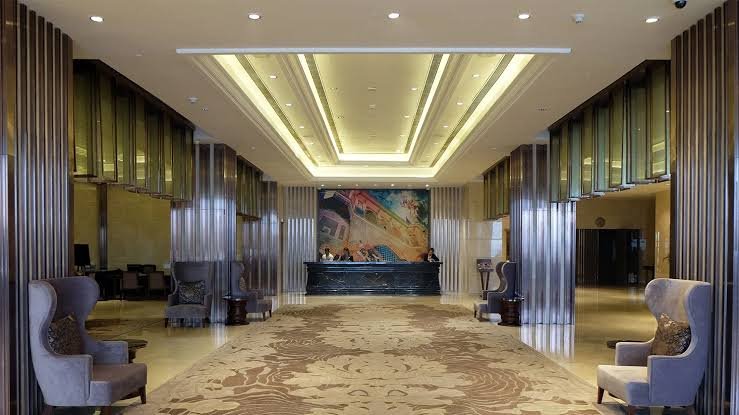
Lighting is one of the most powerful elements in hotel design. It influences how guests feel when they enter a property. A beautifully designed space can create comfort, relaxation, and a sense of luxury.
Modern travelers expect more than basic accommodation. They want memorable experiences that include impressive designs, smart technology, and personalized comfort.
LED hotel lighting has become an essential solution for hospitality businesses. It helps hotels improve visual appeal while reducing energy costs and maintenance requirements.
From elegant entrances to comfortable guest rooms, LED lighting creates an atmosphere that supports guest satisfaction. Working with a trusted Houston LED hotel lighting company allows hotels to develop professional lighting strategies that match modern hospitality standards.
Why LED Lighting Is Transforming the Hospitality Industry
Hotels operate continuously throughout the year. Every area requires reliable lighting, including guest rooms, restaurants, hallways, conference rooms, and outdoor spaces.
Traditional lighting systems often consume more energy and require regular replacements. These challenges increase operational expenses for hotel owners.
LED technology provides a smarter alternative. It delivers better performance with lower energy consumption and longer service life.
According to the U.S. Department of Energy, LED lighting uses significantly less electricity compared with traditional incandescent lighting. It can also last many times longer, making it a practical choice for commercial properties.
Hotels benefit from LED lighting through:
- Lower electricity expenses
- Reduced maintenance needs
- Improved lighting quality
- Better design flexibility
- Enhanced guest comfort
These advantages make LED technology a preferred option for modern hotels worldwide.
Creating Luxury Guest Experiences Through LED Lighting
1. Designing Comfortable Guest Rooms
Guest rooms are one of the most important areas in any hotel. Visitors spend most of their private time inside these spaces.
Lighting directly affects relaxation and comfort. Bright, uncomfortable lighting can create an unpleasant experience. Soft and balanced lighting creates a calm environment.
LED systems allow hotels to control brightness and color temperature. This flexibility helps guests adjust lighting according to their needs.
For example:
- Warm lighting creates a relaxing evening atmosphere.
- Bright task lighting supports reading and working.
- Accent lighting highlights decorative features.
A carefully planned LED lighting system makes guest rooms feel more premium and welcoming.
2. Enhancing Hotel Lobbies and Reception Areas
The lobby creates the first impression of a hotel. Guests immediately notice the atmosphere when they enter the building.
A well-designed lighting system can make the lobby appear more elegant and spacious. LED fixtures help highlight architectural details and important design elements.
Hotels often use LED lighting for:
- Reception counters
- Decorative walls
- Artwork displays
- Seating areas
- Entrance features
The correct lighting arrangement creates a professional appearance while making guests feel comfortable from arrival.
3. Improving Restaurants and Dining Experiences
Lighting plays an important role in hotel restaurants. The right lighting can improve food presentation and create a memorable dining environment.
Restaurants often use warm LED lighting to create a comfortable atmosphere. Decorative fixtures can also support the restaurant’s theme and brand identity.
Good restaurant lighting helps create:
- A relaxing dining experience
- Better visual presentation
- Comfortable seating areas
- Attractive interior design
Hotels that invest in quality lighting create stronger connections with their guests.
Smart LED Lighting Systems for Modern Hotels
Technology has changed the way hotels manage their lighting systems. Smart LED solutions provide greater control, efficiency, and convenience.
Modern lighting systems can automatically adjust based on:
- Room occupancy
- Natural daylight levels
- Time schedules
- Guest preferences
Smart controls help reduce unnecessary energy usage. They also provide guests with a more personalized experience.
Common smart lighting features include:
- Motion sensors
- Automated lighting schedules
- Remote management
- Mobile control systems
- Customized lighting scenes
These features support both guest comfort and hotel efficiency.
The Connection Between Energy Efficiency and Hotel Savings
Energy costs are a major concern for hotel businesses. Since lighting operates for long hours, inefficient systems can increase expenses.
LED technology helps hotels reduce energy consumption without compromising quality.
A professional Houston LED hotel lighting company can evaluate a property’s requirements and recommend suitable solutions.
Energy-efficient LED systems provide:
- Lower monthly electricity bills
- Longer fixture lifespan
- Reduced replacement costs
- Improved sustainability performance
These benefits make LED lighting a valuable investment for hotels of all sizes.
Supporting Sustainable Hospitality Goals
Sustainability has become an important focus in the hospitality industry. Many hotels are adopting environmentally responsible solutions to reduce their impact.
LED lighting supports sustainability by using less energy and producing less waste.
Hotels can improve their environmental performance through:
- Energy-efficient fixtures
- Smart lighting controls
- Reduced maintenance materials
- Responsible technology choices
Guests are increasingly interested in businesses that follow sustainable practices. Efficient lighting helps hotels support these expectations.
Choosing the Right Hotel Lighting Partner
Selecting the right lighting provider is essential for achieving successful results.
A professional lighting company understands the unique needs of hospitality businesses. They consider design, functionality, safety, and energy performance.
A reliable Houston LED hotel lighting company can provide:
Professional Lighting Design
Experts analyze the hotel layout and recommend suitable lighting solutions.
They consider:
- Room size
- Interior design
- Guest movement patterns
- Brand requirements
Quality Product Selection
High-quality LED fixtures provide better performance and reliability.
Commercial hotel lighting requires products that can handle continuous operation.
Installation and Support
Professional installation ensures proper placement and performance.
Lighting specialists also provide maintenance support to keep systems operating efficiently.
Understanding IHG Garner Hotel Lighting Standards
Hospitality brands often follow specific design guidelines to maintain consistency across properties.
IHG Garner Hotel Lighting represents the importance of efficient, comfortable, and brand-focused lighting solutions in modern hotels.
Lighting standards help ensure that guest areas provide:
- Comfortable illumination
- Consistent visual experiences
- Energy-efficient operation
- Practical functionality
Hotels that follow structured lighting approaches can create better experiences for visitors. A professional Houston LED hotel lighting company helps hotels develop lighting strategies that match their brand identity and guest expectations. With expert planning, high-quality fixtures, and advanced technology, hotels can create memorable spaces that leave lasting impressions.
Practical Tips for Better Hotel Lighting Design
Hotels can improve their lighting performance by following several important practices.
Use Multiple Lighting Layers
Combining ambient, task, and accent lighting creates balanced spaces.
Choose Appropriate Color Temperatures
Warm tones often work well in relaxing areas. Cooler tones may support work-focused environments.
Install Smart Controls
Automation helps reduce energy waste and improves convenience.
Highlight Important Features
Accent lighting can draw attention to artwork, architecture, and premium design elements.
Maintain Lighting Quality
Regular maintenance ensures consistent performance throughout the property.
Future Trends in Hotel LED Lighting
Hotel lighting technology continues to develop rapidly. Future systems will focus on personalization, automation, and intelligent management.
Emerging trends include:
- AI-powered lighting control
- Voice-controlled systems
- Personalized guest settings
- Human-centered lighting designs
- Advanced energy monitoring
These innovations will help hotels create more comfortable and efficient environments.
As competition in hospitality increases, unique guest experiences become more valuable. Lighting will continue playing an important role in hotel design.
Conclusion: Creating Luxury Experiences Through Light
LED lighting has become a major part of modern hotel experiences. It improves appearance, comfort, efficiency, and sustainability.
The right lighting system can transform ordinary hotel spaces into premium environments. It helps guests feel relaxed, welcomed, and satisfied.
From guest rooms and restaurants to lobbies and outdoor areas, professional LED solutions create lasting impressions.
By partnering with an experienced Houston LED hotel lighting company, hotels can develop customized lighting systems that support their goals.
Advanced solutions such as IHG Garner Hotel Lighting also demonstrate how effective lighting design can improve hospitality standards.
Investing in LED hotel lighting is not only about saving energy. It is about creating memorable experiences that guests appreciate and remember.
Lighting plays a powerful role in shaping how guests feel when they enter a hotel. A carefully designed lighting system can create a warm welcome, improve comfort, and enhance the overall luxury experience. Modern LED hotel lighting solutions help hospitality businesses achieve beautiful designs while improving energy efficiency and reducing long-term maintenance costs.
From elegant hotel lobbies and relaxing guest rooms to restaurants and outdoor spaces, LED technology provides flexible lighting options for every environment. Smart lighting controls allow hotels to adjust brightness, create customized atmospheres, and improve operational performance.