
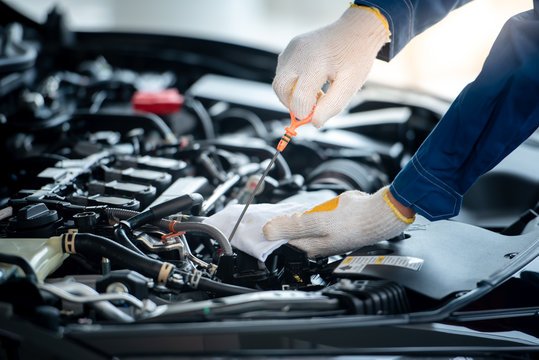
Owning a vehicle comes with many responsibilities, and one of the most important is keeping it in good condition. Regular maintenance and timely repairs help ensure your car remains safe, reliable, and efficient. This is where automotive repair shops play a vital role.
Whether you drive a small city car, a family SUV, a van, or a luxury vehicle, there will come a time when you need professional assistance. From routine servicing to major engine repairs, automotive repair shops help keep vehicles running smoothly throughout their lifespan.
This guide explains everything vehicle owners in the UK need to know about automotive repair shops, including the services they provide, how to choose the right one, and why regular maintenance is essential.
What Is an Automotive Repair Shop?
An automotive repair shop is a business that specialises in diagnosing, maintaining, and repairing vehicles. These shops employ trained mechanics and technicians who use specialised equipment to identify and fix problems.
Automotive repair shops may be independent garages, manufacturer-approved service centres, or national repair chains. Regardless of size, their primary goal is to keep vehicles safe and roadworthy.
Modern vehicles contain complex mechanical and electronic systems. Professional repair shops have the tools and expertise needed to handle these systems correctly.
Why Automotive Repair Shops Are Important
Many drivers only visit a garage when something goes wrong. However, repair shops offer much more than emergency fixes.
Regular visits can help:
- Improve vehicle safety
- Extend engine life
- Reduce breakdown risks
- Improve fuel efficiency
- Maintain vehicle value
- Identify minor problems before they become costly repairs
Preventative maintenance is often far less expensive than dealing with major mechanical failures.
Common Services Offered by Automotive Repair Shops
Most automotive repair shops provide a wide range of services to meet the needs of vehicle owners.
Vehicle Servicing
Regular servicing is one of the most important aspects of vehicle maintenance.
A typical service may include:
- Oil and filter replacement
- Fluid checks
- Brake inspections
- Tyre condition checks
- Battery testing
- Steering and suspension inspections
Routine servicing helps keep your vehicle performing at its best.
MOT Repairs and Preparation
In the UK, most vehicles over three years old require an annual MOT test.
Repair shops often provide:
- Pre-MOT inspections
- MOT failure repairs
- MOT preparation services
This helps ensure your vehicle meets legal road safety standards.
Brake Repairs
Brakes are among the most important safety systems on any vehicle.
Repair shops can replace:
- Brake pads
- Brake discs
- Brake fluid
- Brake callipers
Regular brake inspections help maintain safe stopping distances.
Engine Diagnostics
Modern vehicles use advanced computer systems to monitor performance.
When warning lights appear on the dashboard, technicians use diagnostic equipment to identify faults quickly and accurately.
Common diagnostic issues include:
- Engine management faults
- Sensor failures
- Emission system problems
- Electrical issues
Clutch Repairs
The clutch is a critical component in manual vehicles.
Signs of clutch problems include:
- Difficulty changing gears
- Slipping gears
- Burning smells
- Unusual noises
Repair shops can repair or replace worn clutch components to restore proper performance.
Suspension and Steering Repairs
Suspension systems provide stability and comfort while driving.
Common repairs include:
- Shock absorber replacement
- Spring repairs
- Steering component replacement
- Wheel alignment
Proper suspension maintenance improves handling and tyre life.
Exhaust System Repairs
The exhaust system helps reduce emissions and control engine noise.
Repair shops can repair or replace:
- Exhaust pipes
- Catalytic converters
- Mufflers
- Emission control components
A damaged exhaust can affect vehicle performance and fuel economy.
Signs Your Vehicle Needs Professional Attention
Ignoring small problems can lead to larger and more expensive repairs.
You should consider visiting an automotive repair shop if you notice:
Warning Lights
Dashboard warning lights indicate potential issues with important vehicle systems.
Never ignore warning lights, especially those related to:
- Engine management
- Braking systems
- Oil pressure
- Cooling systems
Strange Noises
Unusual sounds can indicate developing problems.
Examples include:
- Grinding brakes
- Knocking engines
- Squealing belts
- Suspension rattles
Early diagnosis often prevents further damage.
Fluid Leaks
Leaks may indicate problems with:
- Engine oil
- Coolant
- Brake fluid
- Transmission fluid
Any visible leak should be inspected promptly.
Reduced Performance
A noticeable drop in performance may suggest issues such as:
- Fuel system problems
- Ignition faults
- Air intake restrictions
- Engine wear
Professional diagnostics can identify the underlying cause.
Choosing the Right Automotive Repair Shop
Not all repair shops offer the same level of service.
Check Customer Reviews
Online reviews provide valuable insights into customer experiences.
Look for comments about:
- Quality of repairs
- Fair pricing
- Customer service
- Reliability
Consistently positive reviews are usually a good sign.
Ask About Qualifications
Qualified technicians are more likely to perform repairs correctly.
Many reputable garages employ mechanics with recognised training and certifications.
Compare Prices
While price should not be the only factor, obtaining multiple quotes can help you understand market rates.
Extremely low prices may sometimes indicate lower-quality workmanship or parts.
Look for Clear Communication
A trustworthy repair shop should explain:
- The problem
- Recommended repairs
- Estimated costs
- Repair timescales
Clear communication helps customers make informed decisions.
Independent Garages vs Main Dealer Workshops
Vehicle owners often choose between independent garages and manufacturer-approved dealerships.
Independent Garages
Advantages include:
- Competitive pricing
- Personal service
- Flexible repair options
Many independent garages offer excellent workmanship at lower costs.
Main Dealer Workshops
Benefits may include:
- Manufacturer-trained technicians
- Genuine parts
- Access to specialised equipment
Dealer workshops are often preferred for newer vehicles under warranty.
The Importance of Regular Vehicle Maintenance
Routine maintenance plays a major role in vehicle reliability.
Regular servicing can:
- Reduce repair costs
- Improve safety
- Enhance fuel economy
- Increase resale value
- Extend vehicle lifespan
A well-maintained vehicle is less likely to suffer unexpected breakdowns.
Understanding Repair Costs
Repair costs vary depending on:
- Vehicle make and model
- Parts required
- Labour time
- Complexity of the repair
Before authorising work, request a detailed estimate that outlines all expected costs.
A reputable repair shop will provide transparent pricing without hidden charges.
