
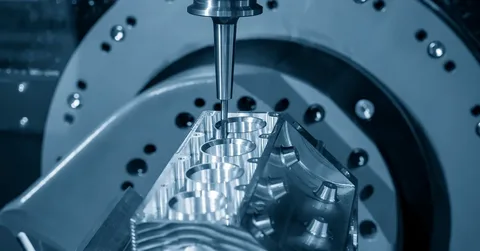
CNC machining technology has transformed modern manufacturing by replacing manual operations with automated, computer-controlled systems. This shift allows manufacturers to produce highly complex parts with greater speed, consistency, and reliability. In today’s competitive industrial environment, efficiency is no longer optional—it is essential for survival.
At its core, cnc machining technology enables machines to follow precise digital instructions, reducing human error and increasing repeatability. This makes it ideal for industries such as automotive, aerospace, medical devices, and electronics where precision and efficiency are critical.
- Reduces dependence on manual machining processes
- Enables high repeatability for large production runs
- Improves operational efficiency through automation
- Supports complex part designs with ease
- Minimizes production delays caused by human limitations
Automation and Reduced Human Intervention
One of the most significant advantages of cnc machining technology is automation. Once a design is programmed into the system, the machine can operate continuously with minimal human supervision. This reduces labor requirements and allows skilled workers to focus on higher-value tasks such as design optimization and quality control.
Automation also ensures consistent output across long production cycles. Unlike manual machining, where fatigue and variability can affect results, CNC systems maintain the same level of precision from the first unit to the last.
- Reduces manual labor requirements
- Enables 24/7 production capabilities
- Minimizes human error in machining processes
- Improves consistency across production batches
- Frees operators for more strategic tasks
Enhanced Precision and Reduced Material Waste
CNC machining technology significantly improves manufacturing efficiency by increasing precision. Machines operate based on exact digital instructions, ensuring every cut, drill, or shape is executed with tight tolerances. This level of accuracy reduces the need for rework and ensures higher product quality.
Another major efficiency gain comes from reduced material waste. Because cnc machining technology follows pre-programmed paths, it optimizes cutting processes and minimizes unnecessary material removal. This not only lowers costs but also supports more sustainable manufacturing practices.
- Achieves extremely tight tolerances in production
- Reduces errors that lead to product rejection
- Minimizes raw material wastage
- Improves overall product quality and reliability
- Lowers cost of production through efficient material use
Faster Production Cycles and Scalability
Speed is another area where cnc machining technology delivers significant efficiency improvements. Once a design is programmed, production can begin almost immediately, reducing setup times compared to traditional machining methods. This allows manufacturers to meet tight deadlines and respond quickly to market demand.
Scalability is also a key benefit. Whether producing a single prototype or thousands of identical parts, CNC systems maintain consistent performance. This flexibility makes it easier for manufacturers to scale operations without compromising quality or efficiency.
- Reduces setup and changeover time between jobs
- Increases production speed for high-volume manufacturing
- Supports rapid prototyping and product development
- Maintains consistency in large-scale production
- Allows flexible scaling based on demand
Integration with Digital Systems and Smart Manufacturing
Modern cnc machining technology is increasingly integrated with digital tools such as CAD (Computer-Aided Design) and CAM (Computer-Aided Manufacturing) software. This integration streamlines the workflow from design to production, reducing delays and improving coordination between engineering and manufacturing teams.
In addition, CNC machines are now part of smart manufacturing systems that use data analytics and real-time monitoring. This helps manufacturers predict maintenance needs, reduce downtime, and optimize machine performance for maximum efficiency.
- Seamless integration with CAD/CAM software
- Improves communication between design and production teams
- Enables real-time monitoring of machine performance
- Reduces downtime through predictive maintenance
- Enhances overall production planning and control
Conclusion
CNC machining technology has become a cornerstone of modern manufacturing by significantly improving efficiency across multiple dimensions. From automation and precision to faster production cycles and digital integration, it enables manufacturers to operate with higher productivity and lower costs. By reducing human error, minimizing waste, and supporting scalable production, cnc machining technology continues to drive innovation and competitiveness in the global manufacturing industry.
