
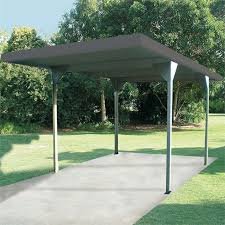
Portable carports have become one of the most practical and cost-effective solutions for protecting vehicles from harsh weather, sun damage, and environmental wear. Unlike permanent garages, these structures offer flexibility, affordability, and easy installation—making them ideal for homeowners, renters, and even businesses.
In this guide, we’ll explore what portable carports are, their benefits, types, materials, and how to choose the right one for your needs.
What Is a Portable Carport?
A portable carport is a freestanding, movable structure designed to shelter vehicles such as cars, trucks, boats, and RVs. Unlike traditional garages, it does not require permanent foundations and can be assembled or relocated with minimal effort.
Most portable carports consist of a metal frame (usually steel or aluminum) and a weather-resistant cover made from polyethylene or heavy-duty fabric.
Key Benefits of Portable Carports
1. Easy Installation
One of the biggest advantages is how simple they are to set up. Many models come as DIY kits that can be assembled in a few hours without professional help.
2. Cost-Effective Protection
Building a permanent garage can be expensive. Portable carports provide similar protection at a fraction of the cost.
3. Mobility and Flexibility
As the name suggests, they are portable. You can relocate them whenever needed—perfect for renters or temporary setups.
4. Weather Protection
Portable carports protect vehicles from:
- Rain and hail
- UV rays and sun damage
- Snow accumulation
- Falling debris (like leaves or branches)
5. Multi-Purpose Use
Beyond vehicles, they can be used for:
- Outdoor storage
- Workshops
- Event shelters
- Equipment protection
Types of Portable Carports
1. Canopy Style Carports
These are lightweight structures with fabric covers stretched over a metal frame. They are easy to move and ideal for temporary use.
2. Garage-Style Enclosed Carports
These offer full enclosure with sidewalls and doors, providing better protection and security.
3. Heavy-Duty Steel Frame Carports
Built for durability, these are designed to withstand strong winds, heavy rain, and snow loads.
4. Inflatable Carports
A newer option, these use air-filled structures for quick setup and portability, though they are less common.
Materials Used in Portable Carports
Frame Materials
- Galvanized Steel: Strong, rust-resistant, and long-lasting
- Aluminum: Lightweight and corrosion-resistant
- Powder-Coated Steel: Extra protection against weather damage
Cover Materials
- Polyethylene Fabric: Waterproof and UV-resistant
- PVC Tarpaulin: Heavy-duty and durable
- Polyester Fabric: Lightweight but less durable than PVC
How to Choose the Right Portable Carport
1. Size Requirements
Consider the type of vehicle you need to protect:
- Small cars: 10×15 ft or 10×20 ft
- SUVs/trucks: 12×20 ft or larger
- RVs/boats: Extra-wide and tall options
2. Weather Conditions
If you live in areas with heavy snow or strong winds, choose a reinforced steel frame with high wind and snow ratings.
3. Intended Use
- Temporary use → Lightweight canopy
- Long-term protection → Heavy-duty enclosed model
4. Installation Space
Make sure the surface is flat and has enough clearance for anchoring the structure securely.
Maintenance Tips
To extend the life of your portable carport:
- Regularly clean the cover to remove dirt and debris
- Check for loose bolts or frame damage
- Tighten anchors after storms
- Store fabric covers properly during extreme weather if possible
Pros and Cons Summary
Pros:
✔ Affordable
✔ Portable
✔ Quick installation
✔ Versatile use
✔ Good weather protection
Cons:
✘ Less durable than permanent garages
✘ May require anchoring in strong winds
✘ Fabric covers may wear out over time
Final Thoughts
Portable carports are an excellent solution for anyone needing flexible and affordable vehicle protection. Whether you need a temporary shelter or a long-term storage option, they offer a balance of convenience, durability, and cost savings.
By choosing the right size, material, and design, you can significantly extend the life of your vehicle while keeping it safe from the elements—all without the expense of a traditional garage.