
Introduction
Shotcrete Cairns is an effective construction solution for projects that require strong, durable, and adaptable concrete applications. Shotcrete is a specialised method of applying concrete or mortar through a high-pressure hose onto a prepared surface. It is widely used in retaining walls, slope stabilisation, structural repairs, swimming pools, tunnels, and other construction applications. Its ability to cover complex surfaces and reach difficult areas makes it a valuable option for residential, commercial, and civil engineering projects.
In Cairns, construction projects can involve challenging ground conditions, sloping landscapes, heavy rainfall, and changing weather patterns. These conditions make it important to select construction methods that provide reliable structural support and long-term durability. Shotcrete offers several advantages because it can be applied to uneven surfaces, reinforced structures, and areas where traditional concrete placement may be difficult. Understanding its applications and benefits can help property owners, builders, and project managers make informed construction decisions.
1. Understanding Shotcrete and How It Works
Shotcrete is concrete or mortar that is pneumatically projected at high velocity onto a surface using specialised spraying equipment. Unlike conventional concrete placement, which usually involves pouring concrete into formwork, shotcrete is sprayed directly onto the required area. This process allows the material to adhere to different surfaces and create a strong concrete layer.
There are two primary methods of shotcrete application: wet-mix and dry-mix. In the wet-mix process, water, cement, aggregates, and other ingredients are mixed before being pumped through a hose. Compressed air then helps project the mixture onto the surface. In the dry-mix process, dry materials are transported through the hose, and water is introduced at the nozzle during application.
Both methods have specific advantages depending on project requirements, site conditions, and the desired finish. Professional contractors assess the construction environment before selecting the most suitable application technique.
2. Why Shotcrete Is Effective for Retaining Walls
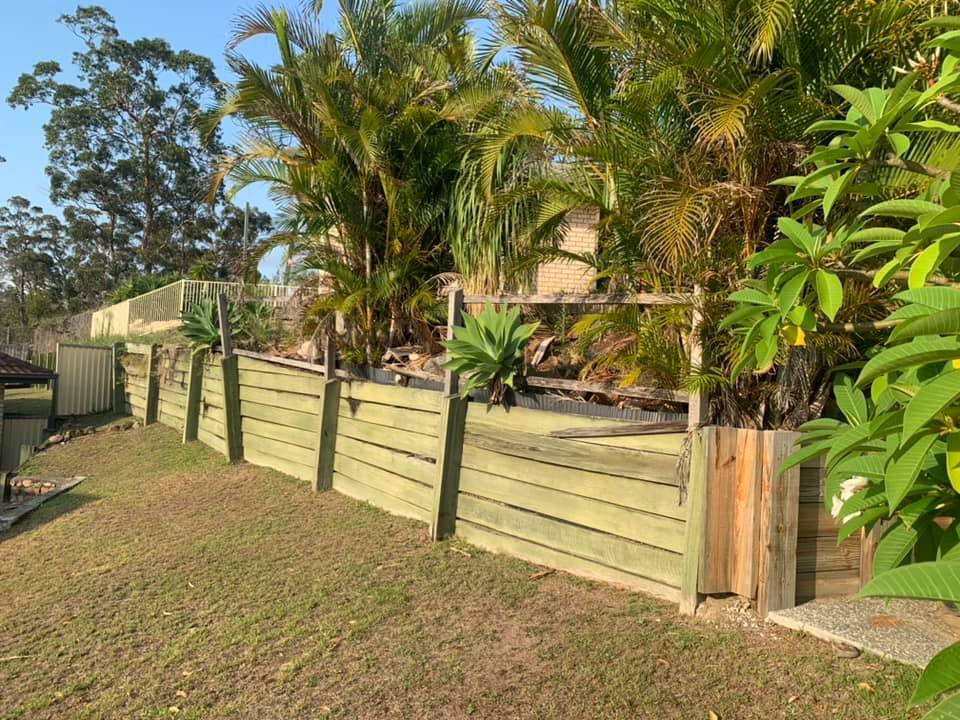
Retaining walls are essential structures designed to hold back soil and prevent unwanted ground movement. They are commonly used in residential developments, commercial properties, road construction, and landscaping projects. Properly designed retaining walls help create stable outdoor spaces and protect structures built on sloping land.
Shotcrete is an effective option for certain retaining wall applications because it can be sprayed directly onto prepared surfaces, including reinforced frameworks and suitable excavated faces. Its application flexibility makes it useful for projects involving irregular shapes or restricted working areas.
Some important benefits of shotcrete for retaining walls include:
-
Structural strength: Properly designed and applied shotcrete can provide strong support for retaining structures.
-
Flexible application: It can be applied to curved, angled, and uneven surfaces.
-
Reduced formwork requirements: Many applications require less traditional formwork than conventional concrete construction.
-
Efficient installation: Spraying can simplify concrete placement in locations where pouring would be difficult.
-
Long-term performance: Correct installation, reinforcement, drainage, and curing can contribute to durability.
However, retaining walls must also include appropriate engineering design and drainage systems. Shotcrete alone cannot prevent hydrostatic pressure or compensate for inadequate foundations.
3. The Role of Shotcrete in Slope Stabilisation
Slope stabilisation is an important part of construction, particularly in areas where steep terrain, loose soil, or unstable rock formations create safety concerns. Heavy rainfall and natural ground movement can increase erosion and weaken exposed slopes.
Shotcrete cairns is commonly used as part of engineered slope stabilisation systems. It creates a protective concrete layer over prepared surfaces and can help reduce the risk of surface erosion and material displacement.
Depending on the site’s geological conditions, contractors may combine shotcrete with soil nails, rock bolts, reinforcing mesh, drainage systems, and other ground-support methods.
The major advantages include:
-
Protecting exposed surfaces against weather-related deterioration.
-
Supporting engineered reinforcement systems.
-
Helping control surface erosion.
-
Providing protection for certain rock faces and excavated slopes.
-
Adapting to different slope shapes and construction conditions.
For projects in Cairns, proper site assessment is particularly important because rainfall, soil characteristics, and drainage conditions can influence slope stability.
4. Why Shotcrete Is Suitable for Cairns Construction Projects
Cairns has a diverse construction environment that includes residential developments, commercial buildings, infrastructure projects, and properties located on sloping land. These projects may require specialised concrete application methods to address difficult access, uneven terrain, and challenging site conditions.
Shotcrete provides flexibility for different construction requirements because it can be applied to vertical, horizontal, curved, and irregular surfaces.
Its suitability for Cairns construction projects is influenced by several factors:
Adaptability to challenging terrain: Shotcrete can be applied to complex surfaces where conventional concrete placement may require extensive formwork.
Protection against surface erosion: When properly designed and installed, shotcrete can protect exposed ground and rock surfaces from certain forms of erosion.
Efficient construction: The spraying process can simplify concrete placement and reduce some labour-intensive preparation requirements.
Structural versatility: It can be used in retaining walls, structural support systems, swimming pools, and specialised infrastructure applications.
These characteristics make shotcrete a practical construction option when the project design and ground conditions are suitable.
5. Wet-Mix and Dry-Mix Shotcrete: Choosing the Right Method
Selecting the correct shotcrete application method is essential for achieving the required strength, consistency, and finish. Wet-mix and dry-mix shotcrete are both widely used, but they have different preparation and application processes.
Wet-Mix Shotcrete
Wet-mix shotcrete involves preparing the concrete mixture before pumping it through specialised equipment. This method offers consistent material mixing and is suitable for larger construction projects requiring continuous application.
Its advantages include:
-
Consistent water distribution throughout the mixture.
-
Efficient application for larger areas.
-
Reduced dust generation compared with many dry-mix applications.
-
Suitable for various structural and construction requirements.
Dry-Mix Shotcrete
Dry-mix shotcrete transports dry cement and aggregate through a hose, with water added at the nozzle. The operator controls the water supply during application.
Its advantages include:
-
Greater flexibility for smaller applications.
-
Suitability for certain repair and maintenance projects.
-
Easier interruption and restarting of some applications.
-
Practical use in areas with limited access.
The choice depends on project size, material specifications, site accessibility, equipment availability, and contractor experience.
6. Shotcrete Applications Beyond Retaining Walls
Although retaining walls and slope stabilisation are major applications, shotcrete is also useful in several other construction areas. Its flexibility allows contractors to work with different structural designs and surface requirements.
Common applications include:
Swimming Pool Construction: Shotcrete is frequently used to create swimming pool shells with customised shapes, depths, and designs. Its application method allows builders to construct curved surfaces and complex pool structures.
Structural Repairs: Damaged concrete surfaces can sometimes be repaired using shotcrete, depending on the condition of the existing structure and the repair specifications.
Tunnel Construction: Shotcrete is widely used in underground construction to provide support to excavated rock and soil surfaces as part of engineered support systems.
Rock Face Protection: It can be applied to selected rock surfaces to provide protection and support when combined with appropriate reinforcement and drainage.
Civil Engineering Projects: Roads, bridges, drainage structures, and infrastructure developments may use shotcrete where specialised concrete application is required.
These applications demonstrate why shotcrete remains an important technique in modern construction.
7. Important Factors That Affect Shotcrete Quality
The performance of a shotcrete structure depends on more than the concrete mixture. Proper planning, surface preparation, application techniques, and curing all influence the final result.
Several important factors should be considered before beginning a project.
Surface Preparation: The application surface must be properly cleaned and prepared. Loose material, dust, dirt, and unsuitable substances should be removed to encourage proper bonding.
Material Selection: Cement, aggregates, water, and additives must meet the project’s technical specifications. The mixture should be designed according to the required strength and application conditions.
Skilled Application: Experienced nozzle operators are important for achieving suitable material placement, thickness, and compaction.
Reinforcement: Steel reinforcement, mesh, soil nails, or other support systems may be required depending on structural engineering specifications.
Curing and Moisture Control: Proper curing helps concrete develop its intended strength and reduces the risk of premature drying and cracking.
Quality Inspection: Testing and inspection help verify that the installed material meets the project’s design and performance requirements.
Paying attention to these factors helps improve construction quality and reduce the likelihood of future repairs.
8. How Weather Conditions Influence Shotcrete Projects in Cairns
Weather conditions can have a significant impact on concrete application. Cairns experiences tropical weather, including periods of heavy rainfall, high humidity, and warm temperatures. These environmental conditions require careful construction planning.
Rain can interfere with freshly applied shotcrete, affect surface preparation, and create difficulties during spraying. High temperatures may increase moisture loss, while humidity can influence curing conditions and construction scheduling.
Professional contractors should consider weather forecasts, surface conditions, material handling, and appropriate protection measures before starting an application.
Effective planning helps maintain consistent application quality and supports the long-term performance of the completed structure.
9. Choosing the Right Shotcrete Contractor in Cairns
Selecting an experienced contractor is an important step in any shotcrete construction project. Even high-quality materials may produce unsatisfactory results if the application process is not properly managed.
Before hiring a contractor, property owners and project managers should consider the following:
-
Industry Experience: Look for contractors with relevant experience in retaining walls, slope stabilisation, and other shotcrete applications.
-
Equipment and Technology: Check whether the contractor uses suitable spraying equipment and maintains it properly.
-
Qualified Operators: Skilled operators help ensure consistent application and appropriate concrete placement.
-
Project Assessment: A reliable contractor should understand the site’s conditions and construction requirements before recommending a solution.
-
Safety Standards: Confirm that suitable workplace safety procedures and construction practices are followed.
-
Quality Assurance: Ask about material specifications, testing procedures, curing methods, and project inspections.
Choosing the right professional team can help ensure that the project is completed according to engineering requirements and applicable construction standards.
10. Long-Term Benefits of Professional Shotcrete Construction
Professional shotcrete installation can provide several long-term benefits when the application is correctly designed and maintained. Its flexibility, strength, and suitability for complex surfaces make it valuable for many construction projects.
Some of its major long-term advantages include improved surface protection, reduced dependence on traditional formwork in suitable applications, efficient construction, and compatibility with different reinforcement systems.
For retaining walls and slope stabilisation projects, these benefits can contribute to better ground management and structural performance. Regular inspections and appropriate maintenance are still important, particularly in areas exposed to heavy rainfall and changing environmental conditions.
The success of any shotcrete project ultimately depends on suitable engineering, correct material selection, professional application, and ongoing maintenance.
Conclusion
Shotcrete is a reliable and versatile construction technique for retaining walls, slope stabilisation, structural repairs, and various infrastructure applications. Its ability to cover uneven surfaces, support engineered reinforcement systems, and simplify concrete placement makes it a valuable option for challenging construction environments.
For projects in Cairns, factors such as heavy rainfall, sloping terrain, soil conditions, and site accessibility should be carefully considered during planning and installation. By selecting the appropriate application method and working with experienced professionals, property owners and construction managers can achieve durable and effective results.
Professional shotcrete services can support safer construction, improve surface protection, and contribute to the long-term performance of residential, commercial, and civil engineering projects.