Undeveloped land can offer far more potential than an empty space on a map. For property owners in San Antonio, Texas, a vacant parcel may become a residential community, a commercial property, or a long-term investment opportunity. However, turning raw land into a successful land development requires more than simply choosing a purpose and starting construction. It involves careful planning, research, infrastructure considerations, regulatory approvals, and a clear understanding of the property’s possibilities.
San Antonio continues to experience residential and commercial growth, creating opportunities for landowners who understand how to prepare their properties for future use. Whether you own a small parcel or a larger tract of undeveloped land, a well-organized development strategy can help you make informed decisions and maximize its potential.
Understand the Potential of Your Property
The first step in any land development project is understanding what the property can realistically support. Not every parcel is suitable for every type of development. Its location, size, shape, access, surrounding land uses, and physical characteristics all influence the available options.
Start by reviewing the property’s existing conditions. Consider the following factors:
- Location: Evaluate nearby residential areas, commercial centers, schools, major roads, and employment hubs.
- Land size and layout: Determine whether the parcel has enough usable space for the intended project.
- Topography: Slopes, low-lying areas, and uneven ground may affect construction and drainage requirements.
- Access: Check whether the property has suitable road access and connections to surrounding infrastructure.
- Surrounding development: Review nearby properties to understand the area’s current character and possible future direction.
A professional land assessment can help identify opportunities and limitations before significant money is committed. This early evaluation provides a practical foundation for deciding whether to pursue residential, commercial, or another development approach.
Research Zoning and Land Use Regulations
Before preparing a development plan, property owners should understand the zoning regulations and land use requirements that apply to their land. Zoning determines which activities and building types may be permitted in a particular area.
For example, a parcel intended for residential development may need to meet specific requirements related to housing density, lot dimensions, building setbacks, road access, and open space. Commercial or mixed-use projects may have different restrictions.
Property owners should investigate:
- Current zoning classification and permitted uses.
- Minimum lot sizes and development standards.
- Road frontage and access requirements.
- Setback and building restrictions.
- Applicable environmental and drainage regulations.
- Required permits and approval procedures.
Understanding these requirements early can prevent costly changes later. It is also helpful to consult qualified planning and development professionals who can explain the approval process and identify potential regulatory challenges.
Evaluate Utilities and Infrastructure Needs
Infrastructure is one of the most important considerations when converting undeveloped land into a usable property. Even an attractive parcel may require substantial preparation if essential services are not readily available.
Residential and commercial developments commonly depend on:
Water and wastewater: Determine whether municipal water and sewer services are available. If connections are not nearby, additional planning and approvals may be necessary.
Electricity: Assess the availability of electrical connections and whether existing infrastructure can support the expected demand.
Roads and access: A development needs safe and practical access. Depending on the project, improvements may include internal roads, entrances, sidewalks, and connections to existing streets.
Stormwater drainage: Proper drainage planning helps manage rainfall, reduce erosion, and limit the risk of water accumulation.
Telecommunications: Internet and communication infrastructure may also influence the property’s suitability for modern residential or commercial use.
Infrastructure requirements should be assessed before finalizing the project budget. Their cost and availability can significantly affect the overall feasibility of development.
- Conduct Environmental and Site Assessments
A property may appear ready for development, but its physical and environmental conditions can create unexpected challenges. Site assessments help identify issues that could affect construction, project costs, or regulatory approval.
Depending on the property’s location and intended use, assessments may examine soil conditions, drainage patterns, flood risks, vegetation, and other environmental factors.
Soil testing is particularly important because ground conditions influence foundation design, grading, and construction methods. If the land contains unsuitable soil or areas with poor drainage, additional preparation may be required.
Property owners should also determine whether any part of the site falls within a regulated floodplain or contains environmentally sensitive features. In and around San Antonio, drainage and water-related considerations can be especially important when planning development.
Identifying these conditions before construction helps developers create realistic plans and reduce the likelihood of unexpected delays.
- Prepare a Practical Land Development Plan
Once the property’s potential, regulations, infrastructure, and site conditions have been reviewed, the next step is to prepare a development plan.
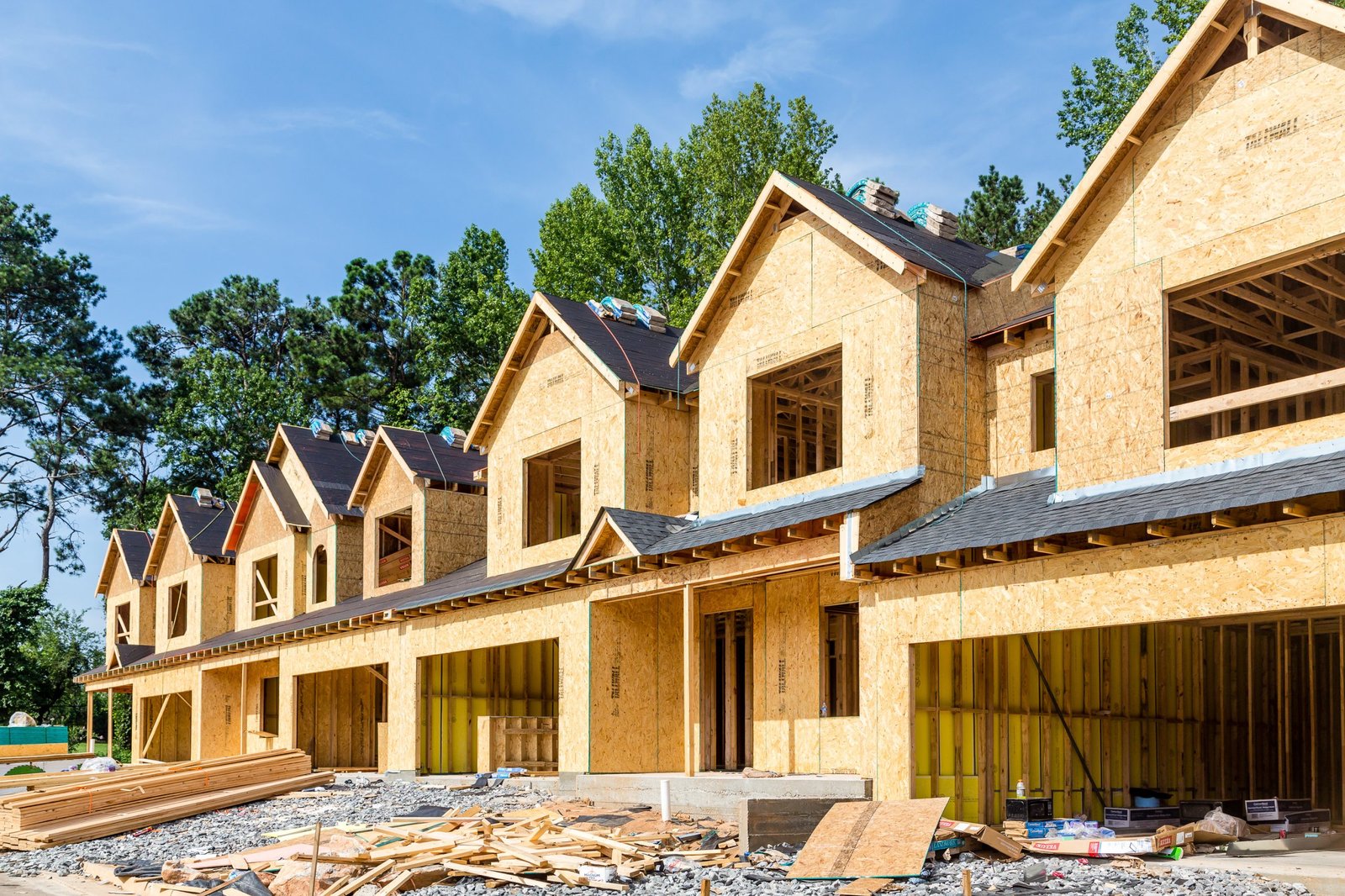
A development plan explains how the land will be organized and prepared for its intended use. For a residential project, it may include proposed streets, individual lots, utility corridors, drainage areas, open spaces, and connections to existing infrastructure.
A well-prepared plan should balance the property’s development potential with practical requirements. It should also consider how the project will fit into the surrounding area.
Important planning considerations include:
- The number and arrangement of proposed lots.
- Road layouts and property access.
- Utility locations and service connections.
- Drainage and stormwater management.
- Required open spaces and community features.
- Construction phases and project timelines.
For larger properties, phased development may be a practical option. Instead of preparing the entire site at once, work can be divided into manageable stages. This approach may help coordinate infrastructure installation, construction activity, and investment requirements.
- Understand the Financial Side of Development
Land development involves several expenses beyond the initial purchase price of the property. A clear financial assessment helps owners understand whether a project is commercially practical.
Potential costs may include:
- Land surveying and engineering services.
- Soil testing and environmental assessments.
- Planning, design, and professional consulting.
- Permits, applications, and approval-related expenses.
- Land clearing, grading, and site preparation.
- Road construction and utility installation.
- Drainage improvements and other infrastructure.
- Legal, administrative, and financing expenses.
Property owners should also maintain a contingency budget for unexpected costs. Changes in site conditions, material prices, construction schedules, or regulatory requirements can affect the original estimate.
A feasibility study can help compare expected development costs with the potential value of the completed project. It should consider local market demand, development timelines, financing requirements, and realistic revenue expectations.
Rather than relying only on the property’s current market value, owners should evaluate the financial impact of preparing it for a specific future use.
- Work With Experienced Land Development Professionals
Successful development depends on coordination between several professionals. Depending on the project’s size and complexity, the team may include land planners, civil engineers, surveyors, environmental consultants, contractors, legal advisers, and development managers.
Each professional contributes a different area of expertise. Surveyors establish property boundaries and site measurements, while engineers help design roads, drainage systems, and utility infrastructure. Planning specialists review land use requirements and help prepare development proposals.
Working with an experienced development partner can make the process more organized. A capable team can help identify potential issues, coordinate technical work, monitor project progress, and maintain communication between the different parties involved.
For property owners who do not have direct experience managing development projects, professional guidance can be particularly valuable. It helps turn a broad idea into a structured plan with defined responsibilities and realistic milestones.
- Consider the Needs of the Local Market
A development project should respond to the needs of the area where it will be located. Before deciding what to build, property owners should research local demand and understand what potential buyers or occupants are looking for.
For residential land development in San Antonio, useful research may include:
- Demand for different housing types.
- Availability of residential lots in nearby communities.
- Recent development activity in the surrounding area.
- Access to schools, shopping, healthcare, and employment.
- Transportation connections and neighborhood amenities.
- The price range of comparable properties and finished lots.
This information can help determine whether the proposed development has a realistic market opportunity.
For example, a property near established residential neighborhoods may have different development possibilities from a large tract located farther from existing infrastructure. Understanding these differences allows owners to make decisions based on actual market conditions rather than assumptions.
Conclusion
Turning undeveloped land into an opportunity requires a combination of research, strategic planning, technical expertise, and financial preparation. For San Antonio property owners, the right development approach begins with understanding the property’s characteristics and continues through zoning research, infrastructure evaluation, environmental assessments, feasibility studies, and project management.
Every parcel has its own opportunities and challenges. Taking time to evaluate these factors before construction begins can help reduce uncertainty and support better investment decisions.
With a clear development strategy and the support of experienced professionals, raw land can be transformed into a valuable asset that serves property owners, homebuilders, and future communities. The key is to approach each stage with careful planning and a long-term vision.